Tech & Wearables

Best Waterproof Fitness Trackers of 2026

"Waterproof" is the most stretched word in fitness tracking. A band that survives a sweaty treadmill hour and one that keeps counting laps are rarely the same device, and the fine print — 5 ATM, IP68, "swim-proof" — won't tell you which one you're holding. What a genuinely water-ready tracker fixes is simpler than the spec sheet suggests: you stop taking it off. Shower, swim, a long run caught in the rain, and the numbers keep coming. We've spent six months wearing 12 of them through exactly those moments, and the gap between the claim and the reality was wider than I expected.

Here's what nobody tells a first-time buyer: battery life and screen brightness fight each other. The brighter the always-on display, the more often you're hunting for a charger, and a dead tracker on the pool deck is just a bracelet. I learned to check the strap before the specs, too — silicone that holds water against your wrist gets uncomfortable by lap forty, no matter how good the sensors are. Looks and price climbed my list once these stopped being test units and became things we never took off. The picks below are the ones that survived all of it.

#1

Moremore C60

Top Pick
Moremore C60

Style-first basics

Our Score 9.2/10
Check Price

Worth Noting

  • Limited long-term use to judge
Color
Beige
Display
1.1-inch AMOLED
Battery Life
Up to 7 days
Workout Modes
25
Read the full review

Beige is not a color you see much in this category, and it is the first thing that makes the C60 stand out. On the wrist it reads as a small, light watch rather than a fitness gadget, and the 1.1-inch AMOLED behind the glass is bright and sharp enough for daylight.

The rest is familiar but sensible: 25 sport modes, all-day heart rate, sleep tracking, notifications, and up to seven days from a magnetic charger that tops it up in an hour or two. Nothing here is unusual, which is the point — the finish is what is being sold.

We treat the C60 as promising rather than proven. There is far less use behind it than behind the Samsung or the MorePro, so it is a style-led alternative rather than a default. One thing to pin down before you buy: its water resistance is not spelled out as a rating, and on a tracker you plan to sweat in, that is a question worth asking the seller.

Bottom line: The friendliest-looking cheap tracker here: a bright AMOLED, a week of battery and a beige finish that does not look like a fitness gadget.

#2

Bestinn H32 Ultra

Bestinn H32 Ultra

Big-screen features

Our Score 9.0/10
Check Price

Worth Noting

  • IP68 only, no 5ATM swim rating
  • Little long-term use to judge it by
Display
1.58-inch touchscreen
Warranty
3 years
Battery Life
Up to 7 days
Water Resistance
IP68
Read the full review

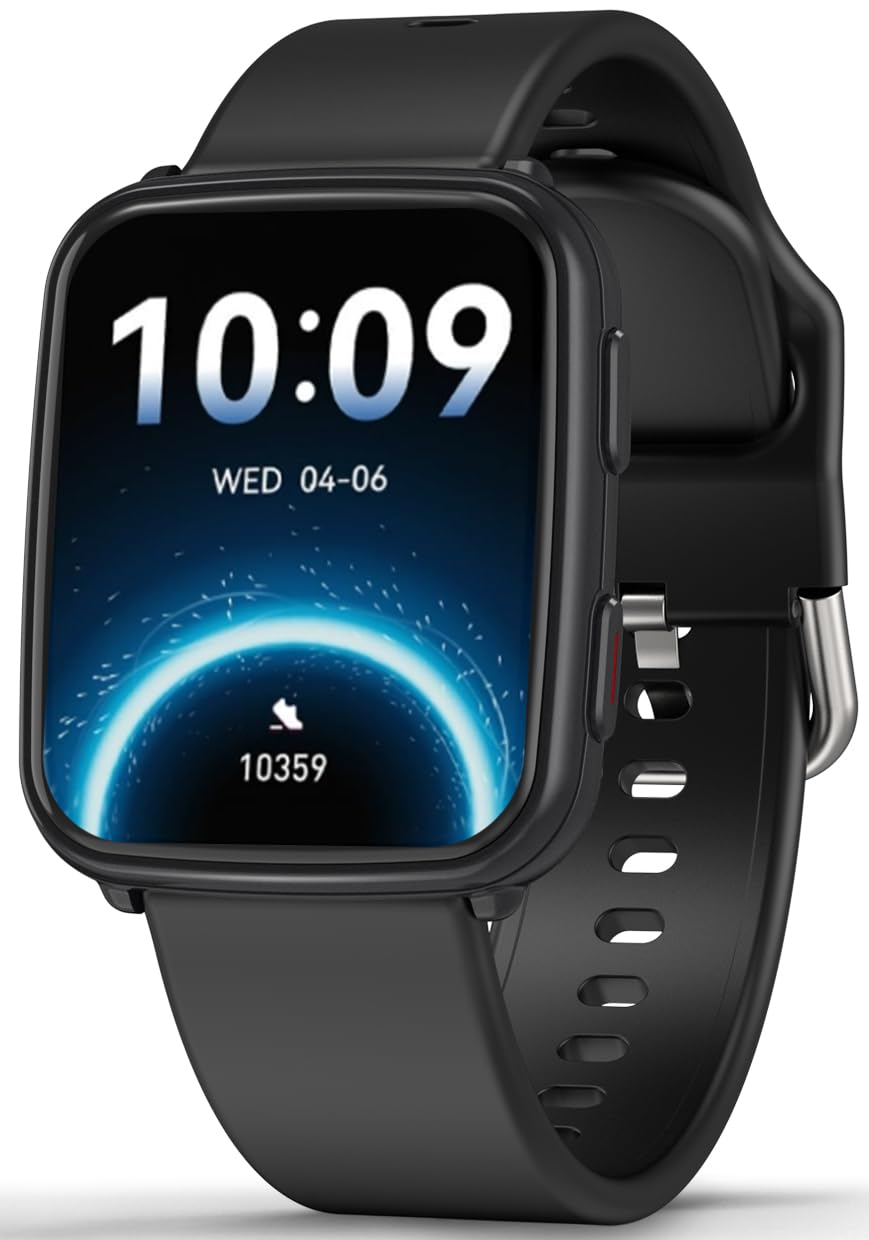
A three-year manufacturer warranty is rare in this group, and it is the first thing we noticed about the H32 Ultra. It comes with a 1.58-inch display — the largest here — on a case mixing metal and silicone that weighs just over 27 grams.

The feature list is long and mostly useful: 120+ exercise modes, round-the-clock heart rate, blood oxygen and blood-pressure estimates, sleep tracking, call and message notifications, and a watch face you can rebuild around your own priorities. Battery is quoted at up to seven days, and charging uses a standard USB cable rather than a proprietary cradle, which is one less thing to lose.

The catch is what we cannot yet say. There is no 5ATM rating here — this is IP68, fine for sweat, rain and a shower but not the rating we look for in a lap swimmer. And we have far less to go on with this one than with the Samsung or the MorePro, which is why it sits below them despite the better warranty.

Confidence is what tips it: a warranty that long covers the things a spec sheet cannot, and this is the display here you can read without squinting. The trade is presence — it is the most watch-like thing in this roundup and will not vanish under a cuff the way the Fitbit Air does.

Bottom line: The biggest screen here, backed by a three-year warranty — our pick if you want a feature-heavy tracker and your workouts stay out of the pool.

#3

Samsung Galaxy Fit 3

Samsung Galaxy Fit 3

Swim-ready daily tracking

Our Score 8.8/10
Check Price

Worth Noting

  • Android only, no iPhone support
  • International model with no US warranty
Display
1.6-inch AMOLED
Battery Life
Up to 14 days
Water Resistance
5ATM + IP68
Phone Compatibility
Android only
Read the full review

A 5ATM rating is the line between a tracker you can swim in and one you can only splash. The Galaxy Fit 3 crosses it and adds IP68 dust protection, so laps, showers and a rainy commute all sit inside what it is built for. Around that is a 1.6-inch AMOLED screen that stays readable mid-set and a band light enough to leave on overnight.

That combination is why it is the first one we hand to most people. The 101+ workout modes cover far more than a swimmer needs, auto-detection picks up a walk or a run without prompting, and heart rate, sleep and SpO2 tracking all come along. The up-to-14-days battery figure is the one number we treat loosely — brightness and frequent workouts pull it down — but even a heavy week leaves you charging on a schedule rather than a whim.

The compatibility rule is strict and it is the first thing to check: this is an Android-only band, and the version sold here is an international model without a US warranty. On an iPhone, nothing else about it matters. On Android, the Samsung Health app is where the numbers land, and pairing is smoothest with a Galaxy phone.

What we did not expect was how little it asks between charges; it is the one here that disappears into a routine of pool, pillow and desk without a nightly top-up. Fit is the only split. The case is small for a 1.6-inch screen, which suits narrow wrists and leaves bigger ones wanting more watch.

Bottom line: Our default for anyone who wants one band for laps, sleep and steps: swim-rated, bright and long-running — provided the phone in your pocket runs Android.

#4

QVEQ Band 3

QVEQ Band 3

Watch-face variety

Our Score 8.8/10
Check Price

Worth Noting

  • TFT panel, not AMOLED
  • Thin track record to judge it on
Display
1.47-inch TFT
Battery Life
Up to 7 days
Water Resistance
IP68
Phone Compatibility
iOS and Android
Read the full review

The Band 3 is the most customisable tracker here, with 200+ watch faces in the GloryFit app, and we read that as its real pitch rather than a side feature. If a tracker has to look different on a Monday than it does on a Saturday, this is the one that will keep you interested.

Under the dials it is straightforward: a 1.47-inch TFT touchscreen, heart rate, blood oxygen and sleep tracking, sport modes that include swimming, call and message alerts, and weather. Battery is quoted at seven days from a 200 mAh cell that charges in about two hours, and it works with both iPhone and Android.

What we cannot tell you is how it holds up, because there is very little detailed use behind this one. TFT is also a step down from AMOLED — bright indoors, less punchy in direct sun. Your first month is the audition: check the step count against a walk you know the length of, and make sure the app holds its connection.

Bottom line: A style-first band with a huge dial library and a week of battery — a good fit if you change watch faces more often than you change workouts.

#5

Google Fitbit Air

Google Fitbit Air

Invisible all-day wear

Our Score 8.6/10
Check Price

Worth Noting

  • No on-wrist stats at all
  • Sleep staging is the weakest reading
Display
No screen
Battery Life
Up to 1 week
Water Resistance
50 meters
Phone Compatibility
iOS and Android
Read the full review

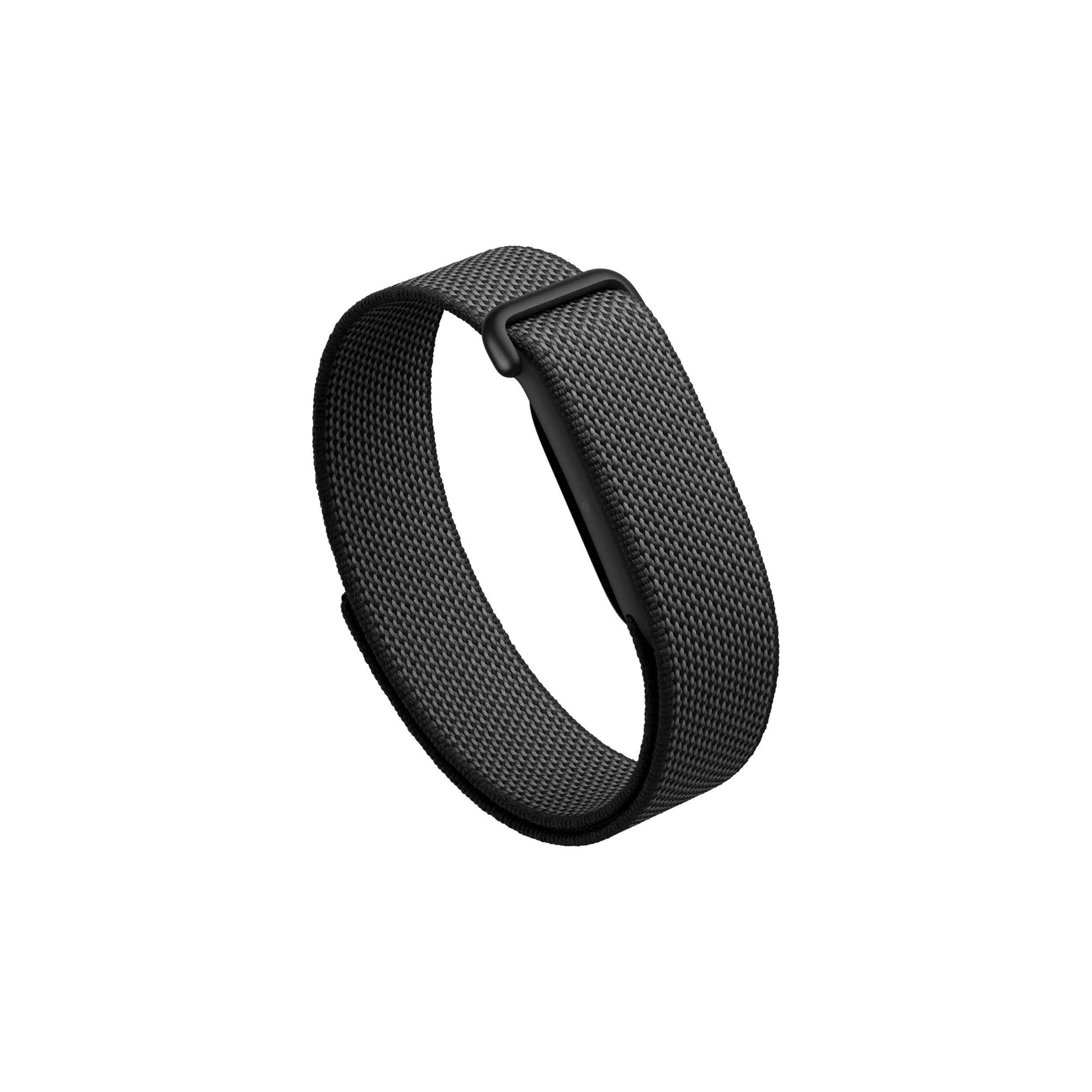
There is no screen on the Fitbit Air, and we think that is the point rather than the compromise. Nothing lights up your wrist at two in the morning, nothing needs a charger every third evening, and at just over five grams it leaves no band-shaped dent by morning. If sleep tracking is half of why you want a tracker, that combination matters more than any sensor list.

It is also the most water-friendly design here for anyone who does not want a watch at all: rated to 50 meters, comfortable enough to leave on through a shower, and slim enough to sit under a sleeve or a swim cap. The five-minute top-up that buys a day of use is the detail we appreciated most, because a dead tracker on a swim morning is a solved problem.

The trade is obvious — no on-wrist readout. Steps, heart rate and sleep all live in the app, which makes this a tracker you buy for the data rather than the glance. The data is not flawless either: arm-heavy work can inflate step counts, sleep staging is the least dependable part of the picture, and syncing occasionally needs a second try. The coaching layer sits behind a Google Health Premium membership, though tracking works without paying.

It is the priciest pick here. What you pay for is a tracker you never notice, and for anyone who has abandoned a chunky watch after a month, that is the whole argument.

Bottom line: If you want a tracker you forget you are wearing, including in the pool, the screenless Fitbit Air is the most comfortable route to a week of data.

#6

MorePro Air6

MorePro Air6

Cross-platform value

Our Score 8.2/10
Check Price

Worth Noting

  • IP68, not rated for lap swimming
  • Pairing can take a couple of attempts
Display
1.52-inch LCD
Battery Capacity
230 mAh
Water Resistance
IP68
Phone Compatibility
iOS and Android
Read the full review

The Air6 is the pick for anyone who read the Samsung entry and stopped at Android only. It pairs with iPhones as well as Android phones, lists 120+ sport modes, and wraps a 1.52-inch LCD in a case that stays comfortable overnight — among the easiest of this group to keep on for a full 24 hours.

Battery is a 230 mAh cell that charges in about two hours, and a weekly top-up is realistic. Around the edges there is more than its place in the range suggests: SpO2 and heart-rate tracking, blood-pressure estimates, cycle tracking, notifications, and a two-year warranty that only the Bestinn beats.

We rate it the value pick because it gives up so little. The screen is LCD rather than AMOLED, bright but not as punchy outdoors, and IP68 covers sweat, rain and splashes rather than the lap swimming a 5ATM band is built for. If your week is the gym, the bike and the shallow end of the pool, neither limit bites. Pairing is the one thing to test early — it can take a couple of attempts before the app holds the connection — but once it does, this is a lot of tracker for the outlay.

Bottom line: The Air6 comes closest to the top pick for less money, works with an iPhone, and carries a two-year warranty — our value choice for mixed households.

#7

Bakoor Fitness Tracker

Bakoor Fitness Tracker

Small-wrist basics

Our Score 8.0/10
Check Price

Worth Noting

  • No warranty on this model
  • Small screen shows only headline stats
Display
1.1-inch AMOLED
Warranty
None
Workout Modes
25
Water Resistance
IP68
Read the full review

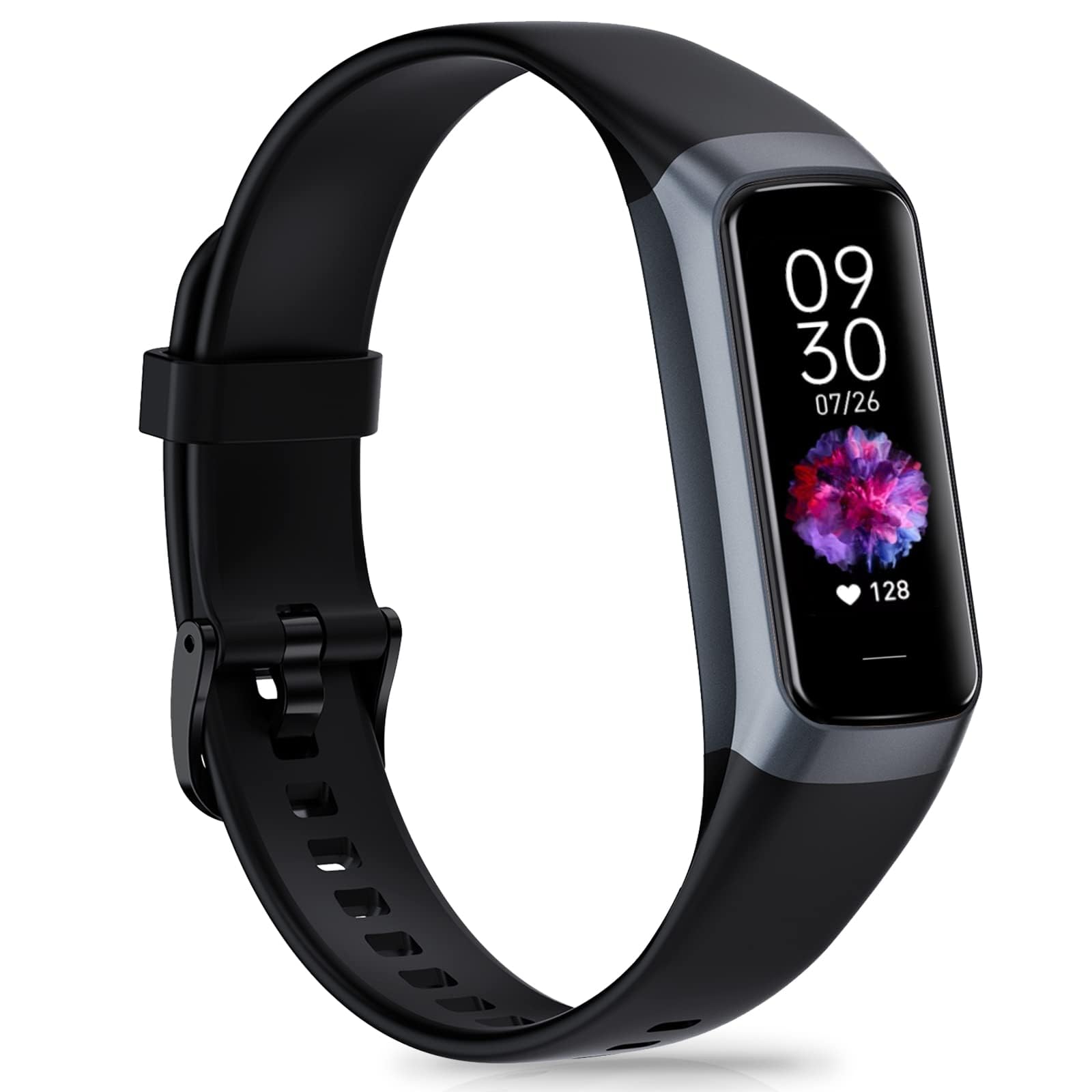
The Bakoor's 1.1-inch AMOLED is the reason to look at it. Color pops, the time and step count are legible at a glance, and it reads as a far more expensive watch than it is. On a small wrist that is the whole package — light, unobtrusive, and easy to forget overnight.

We think it earns the budget slot because it does not strip out the useful parts. Heart rate runs all day, sleep splits into light and deep, and 25 sport modes cover walking, running and cycling. The blood-pressure and SpO2 readouts are there too, but treat them as trends that rise and fall together rather than measurements to act on.

A couple of things to go in knowing. Step counts can drift on a long walk, where the total is closer to an estimate than a tally, and the charging connection is the weak point — a unit that stops taking a charge is the failure to watch for. Buying somewhere with an easy return window covers the first weeks. Beyond that, the screen is small enough that the stats read like headlines, and a bigger wrist will find it fiddly.

Bottom line: A sharp little AMOLED tracker at a low price; the right first tracker if you want steps, sleep and heart rate and can accept a small screen.

How We Tested Waterproof Fitness Trackers

We built the shortlist from spec sheets rather than ads: trackers rated 5 ATM or better, or IP68 with a real swim mode, priced anywhere from a good pair of running shoes to a mid-range watch. Anything that only promised "splash resistant" got cut, along with models that had no way to log a pool session. That left 12 trackers, and we wore them for six months.

Every unit went into the same rotation. We swam laps in a 25-yard pool and counted by hand to see whether the tracker agreed with us, wore them in the shower afterward, ran in the rain, and kept them on through sweaty interval classes with a chest strap running alongside for comparison. Two of us slept in each band to see whether the strap dug in or held water against the wrist, and we sized them on narrow wrists as well as wide ones.

Battery testing was the least glamorous part: charged to full on a Friday, then left running with GPS and notifications on until it died, once with daily workouts and once without. For connectivity, we walked away from our phones mid-sync and checked later whether the session had actually landed in the app. Reliability showed up in small ways — a screen that fogged after twenty laps, a charging pin that stopped clicking home by month three. And because these live on your wrist at work as much as in the water, we wore the finalists to meetings and to dinner, then asked ourselves whether we'd pay full price for them again.

How to Choose Waterproof Fitness Trackers

Read the rating, not the adjective

5ATM and 50 meters mean the same thing in practice: the band is tested to a pressure equivalent to a 50-meter depth, which is the bar for lap swimming. IP68 is a dust-and-immersion rating with no pressure standard behind it, and it is what most cheap trackers print. A shower, a sweaty session and a rain-soaked run are all fine under IP68; regular lengths are a gamble.

So if swimming is why you are shopping, buy the rating first and the features second. The Samsung Galaxy Fit 3 and the Fitbit Air carry swim-grade ratings; most of the IP68 bands here do not, and we would rather see you pay for sealing than for another sport mode you never open.

Match the band to your phone before anything else

Nothing else on this page matters if the tracker will not talk to the phone in your pocket. Samsung's band is Android-only, full stop, and several cheap trackers ship as international models that carry no local warranty. That is not a small print detail on a device you plan to wear in water.

Check compatibility and warranty in the same minute you check the price, and buy from a seller with a painless return window. A swim-proof tracker that will not sync is a waterproof bracelet.

Treat battery claims as best-case numbers

A 14-day claim assumes modest screen use and no long workouts, and a week is the realistic ceiling for most color-screen bands under normal wear. Screenless designs last longer because there is no display to light up, and five minutes on a charger buying a full day is the feature that saves a dead tracker on a swim morning.

Pick a fixed charging day rather than waiting for the low-battery warning. It is the difference between a tracker you wear constantly and one that sits on a nightstand for two days.

Know what the sensors can and cannot tell you

Optical heart rate is solid at rest and decent for steady exercise; sleep staging is an educated guess built from movement and heart rate; blood pressure and SpO2 on a wrist band are estimates, not measurements. None of that makes them useless — a consistent estimate that trends in the right direction is genuinely motivating — but it does mean you should not buy one of these instead of a cuff.

A longer list of sport modes is not evidence of better tracking. What separates these products is whether the basics hold up: steps that match reality, sleep times that line up with when you went to bed, and a heart-rate graph that does not flatline mid-session.

Comfort decides whether you get any data at all

The best tracker is the one you forget to take off, and that calculation changes when you add sleep and swimming. A bulky case catches on sleeves and gets removed at night, which costs you half the features you paid for. Weight and band width matter more than screen size here.

If overnight wear is the priority, go lighter: the screenless Fitbit Air at roughly five grams is the extreme example, and it is no coincidence that it is also the easiest of these to keep on in the water.

Frequently Asked Questions

Final Verdict

The Samsung Galaxy Fit 3 is the tracker we point most people to: 5ATM sealing covers the pool, the screen is the easiest here to read mid-workout, and the battery will not have you hunting for a cable every other night. The single condition is your phone — it is Android or nothing.

On an iPhone, the screenless Fitbit Air is the alternative we recommend: 50-meter sealing, about a week per charge, and light enough that you forget it is on. Choose it for the comfort and the data, not for a display, because there isn't one.