Tech & Wearables

Best Fitness Trackers of 2026

I bought my first fitness tracker to settle a private argument with myself about how much I actually walk in a day. What surprised me wasn't the step count — it was how quickly I started checking my sleep score before I checked the weather. A tracker only earns that spot on your wrist if it's accurate enough to trust, comfortable enough to forget about, and handsome enough that you don't push your sleeve down when someone walks into the room. The right one turns a vague guilt about sitting too much into a number you can actually do something with.

Over the past six months, my team and I have worn 14 fitness trackers through workdays, long runs, and a lot of nights we'd rather have slept better. Some lasted nearly two weeks on a charge and still fumbled the basics; a few looked great and made us fight the app. The picks below are the ones whose sleep tracking, health data, and step counts held up after the novelty wore off.

#1

Garmin Forerunner 165

Top Pick
Garmin Forerunner 165

Running and racing

Our Score 9.2/10
Check Price

Worth Noting

  • Strength sessions log as little more than a timer
  • Setup is fiddlier than the other picks
GPS
Built-in
Weight
1.38 oz
Display
1.2-inch AMOLED, 1000 nits
Battery Life
Up to 11 days smartwatch, 19 hours GPS
Read the full review

The morning report is the screen we ended up reading first — sleep, recovery, training outlook, weather, and HRV status in one scroll before the coffee is done. It sets the tone for how the Forerunner 165 works: it's less interested in how many steps you took than in what you should do next, and the daily suggested workouts shift as your training load changes.

The hardware suits that job. A 1.2-inch AMOLED at 1000 nits stays readable in sunlight, GPS locks on quickly, and the battery runs 11 days in smartwatch mode or 19 hours with GPS going — enough for a marathon, not an ultra. At 1.38 ounces it's light enough to sleep in, and 25-plus profiles cover cycling and HIIT alongside the running ones.

Where it earns its place is the training tools. Garmin Coach plans and race-adaptive suggestions build around the sessions you actually complete, and the pace and zone breakdown after a run is the clearest of any tracker here. Give the suggested workouts two weeks before you judge them — they start conservative and sharpen as the watch learns your pace.

Bottom line: For runners who want pace, GPS, and a plan that adapts, this is the one we hand over first — the suggested workouts are worth the fiddly first week.
#2

Oura Ring 5

Oura Ring 5

Sleep and recovery

Our Score 8.8/10
Check Price

Worth Noting

  • Membership required after the first month
  • No GPS, so runs need your phone
Material
Titanium
Membership
Required after first month
Battery Life
Up to 6 days
Water Resistance
100 meters
Read the full review

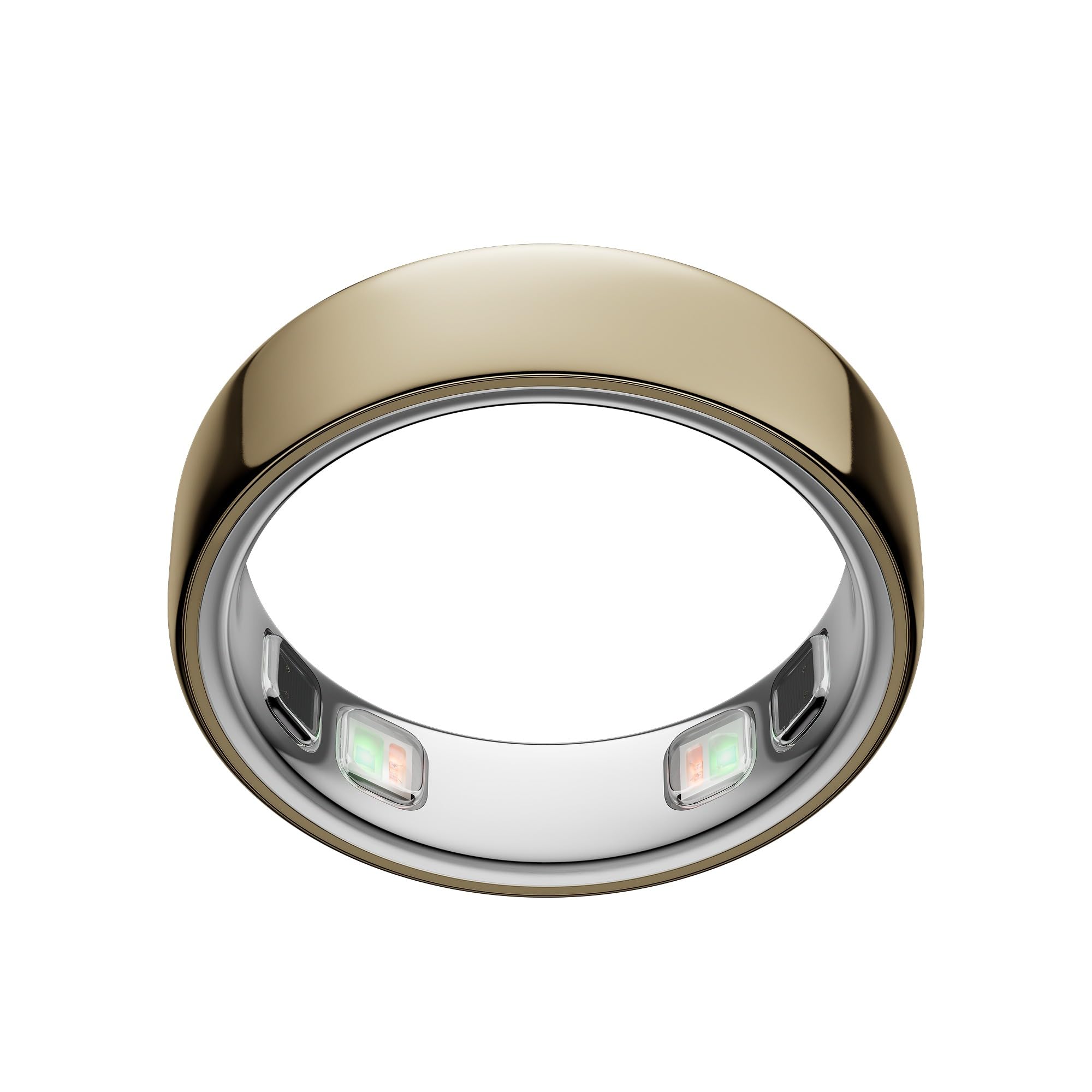
Order the sizing kit first. The Ring 5 uses its own sizing, different from the previous generation and from jewelry rings, and a ring half a size off is a ring you stop wearing — the sizing kit is the step people skip and then regret. Once it fits, the thing is close to invisible: a thin titanium band we wore through workouts and slept in without noticing.

Sleep and recovery are what it's for. More than 50 metrics run through the app, and the readiness and sleep breakdowns are the most detailed in this group, helped by a sensor on a finger that isn't fighting wrist movement all night. Battery is rated at six days and charges in about 80 minutes, and 100-meter water resistance means the pool isn't a problem.

It's the priciest pick here by a wide margin, and it earns that only if sleep and recovery are what you're buying. What we didn't expect was how the form factor changed our habits: without a wrist to check, we read the app once in the morning instead of glancing at numbers all day, and the picture that emerged over a month was clearer for it.

Bottom line: The pick for anyone who wants detailed sleep and recovery data without a watch on the wrist — size it properly first, because the fit decides everything.

#3

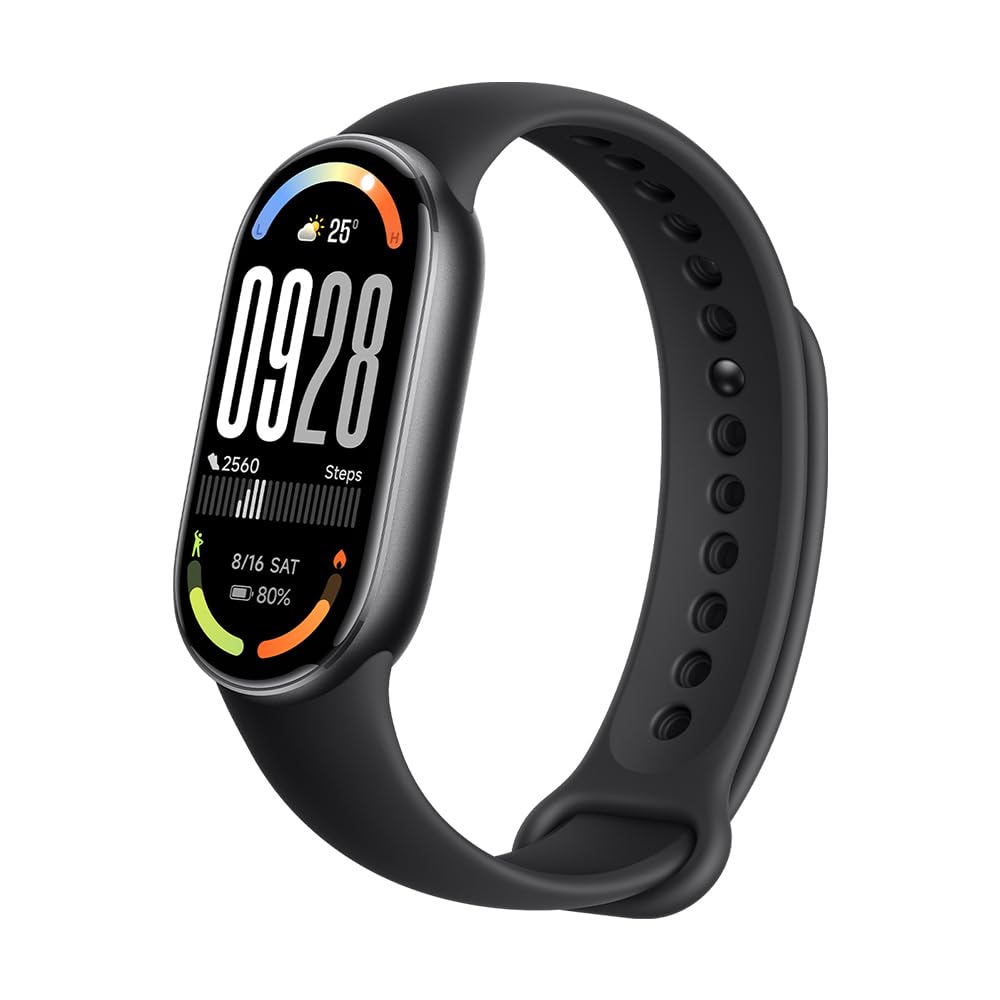
Xiaomi Smart Band 10

Xiaomi Smart Band 10

Everyday tracking

Our Score 8.6/10
Check Price

Worth Noting

  • No built-in GPS; distance needs your phone
  • Metric units only, with no imperial switch
Display
1.72-inch AMOLED, 1500 nits
Battery Life
Up to 21 days
Built-in GPS
No
Water Resistance
5ATM
Read the full review

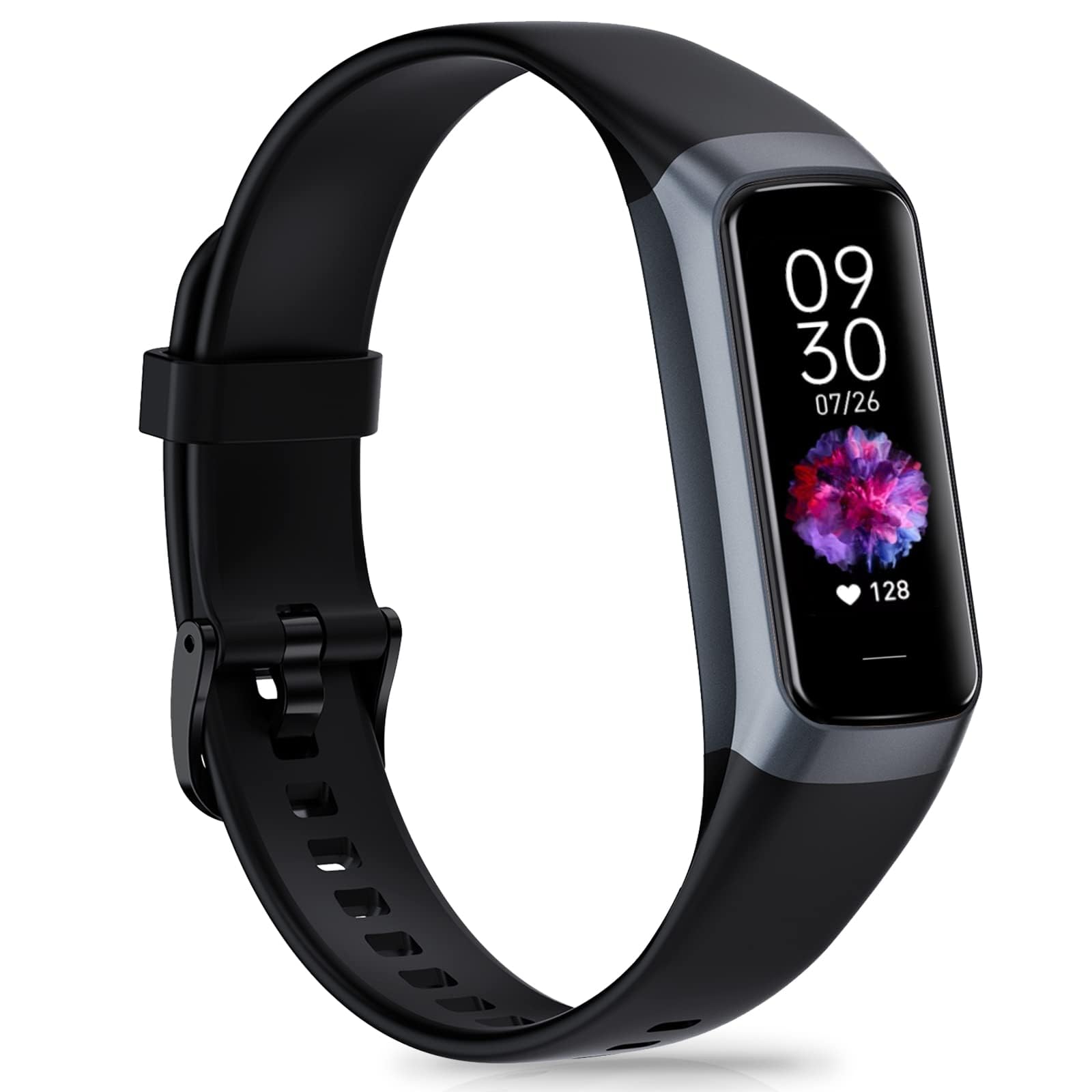
Three weeks is the number that changes how you live with a tracker. We went weeks between charges during testing and never once planned an evening around a cable, which is a different relationship with a wearable than a smartwatch demands. The screen makes the case just as plainly: a 1.72-inch AMOLED rated at 1500 nits stays readable in direct afternoon sun, and 5ATM means a pool session or a shower never needs a second thought.

Day to day it covers what most people actually use: steps, distance, calories, all-day heart rate, blood oxygen, and sleep stages, plus 25 sport modes and a compass that earns its keep in open water. The app turns the numbers into something you can read in ten seconds rather than a wall of graphs. We treat heart rate and sleep as trends — they agree with how a session felt — which is the right expectation for a band in this price bracket.

Two limits are worth knowing. Distance comes from your phone rather than built-in GPS, which is fine for walks, gym sessions, and treadmill work, and less so for phone-free runs. And the display works in metric only, with no imperial switch outside the weather widget, so a U.S. wearer reads kilometers and kilograms indefinitely. Both are things you adapt to rather than fight, and neither keeps the band from doing the job it was bought for.

Bottom line: We point most people here first: it tracks the essentials, stays readable in sunlight, and runs for weeks between charges at the lowest price in this group.

#4

Google Fitbit Air

Google Fitbit Air

Screen-free wear

Our Score 8.6/10
Check Price

Worth Noting

  • Sleep stages can misread a night
  • Sync to the phone app can stall
Weight
0.18 oz
Display
None (screenless)
Battery Life
Up to 5 days
Water Resistance
50 meters
Read the full review

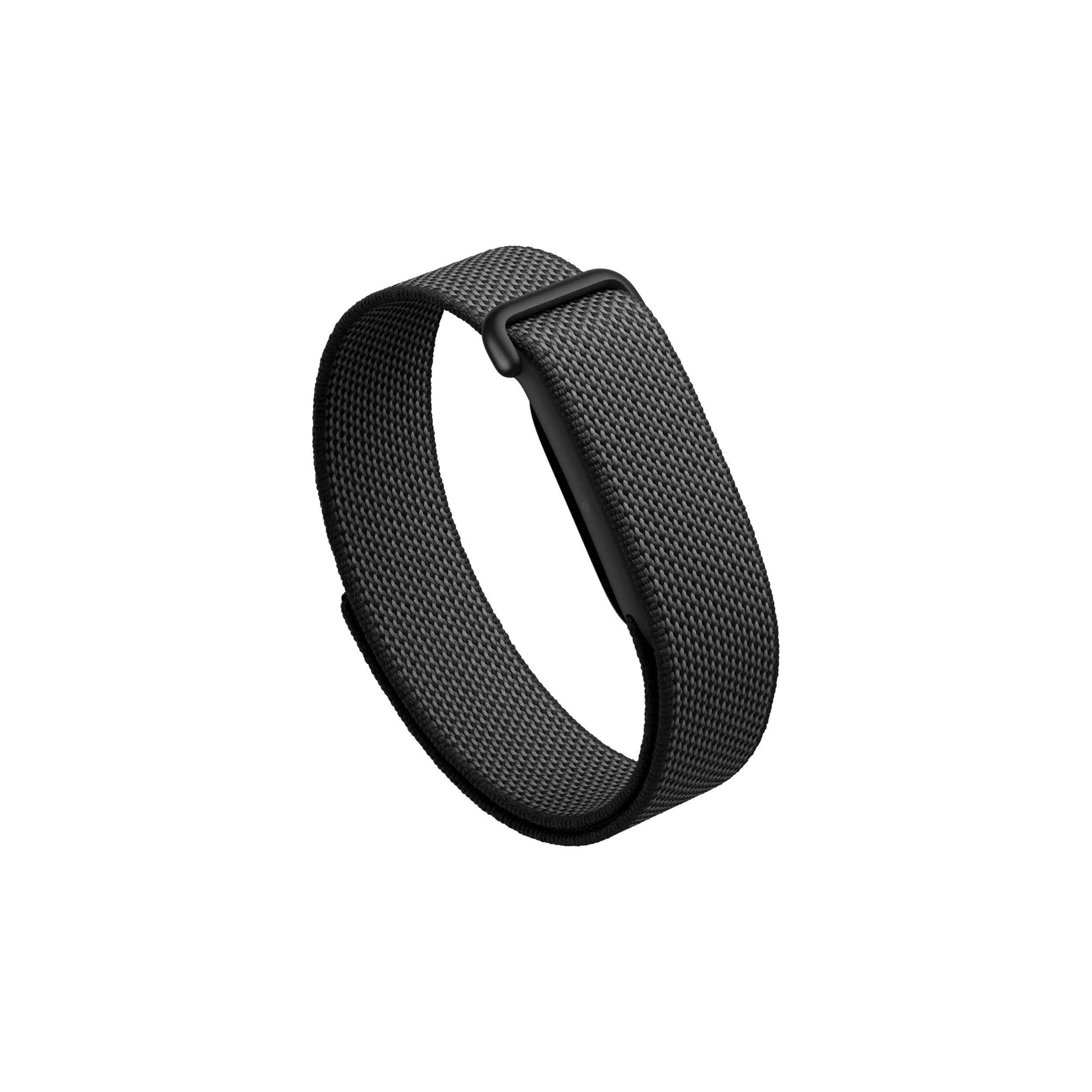
The first thing to know about the Fitbit Air is that there is nothing to look at. No screen, no glow at night, no wrist lighting up mid-conversation — a deliberate removal we ended up liking far more than we expected. What's left is a 5-gram oval on a buckle band that adjusts from 130 to 210 mm, and within an hour we stopped registering it was there.

It still gathers a serious amount: optical heart rate, red and infrared sensors for blood oxygen, skin temperature, sleep stages, and phone-tethered GPS for outdoor walks and runs. The listing puts battery at five days, and the fast-charge claim is the one we leaned on in practice — five minutes on the cable buys roughly a day, so a forgotten charge doesn't cost you a night of data.

Where the Air wobbles is interpretation rather than wear. Sleep staging is the soft spot: the overnight score doesn't always match how rested you feel, and deep-sleep totals can look tidier than the night deserved. Read the week rather than the single night, and if sleep analysis is the whole reason you're buying a tracker, the Oura Ring 5 is the more careful instrument. What surprised us is how quickly the blank wrist became the point rather than the compromise.

Bottom line: If you want a tracker you never notice, this is the one — a five-gram band that gathers a week of health data and asks five minutes of charging.

#5

Garmin vívoactive 5

Garmin vívoactive 5

Multisport and GPS

Our Score 8.6/10
Check Price

Worth Noting

  • Always-on display roughly halves battery life
GPS
Built-in
Display
1.2-inch AMOLED
Battery Life
Up to 11 days
Sport Profiles
30+
Read the full review

The vívoactive 5 and the Forerunner 165 land within a few dollars of each other, and the difference shows up on the days you don't run. Garmin gives this one more than 30 activity profiles, a wheelchair mode that counts pushes rather than steps, and Body Battery — the energy score we ended up checking before deciding how hard to train.

As hardware it's the friendliest Garmin in this group: a 1.2-inch AMOLED on a fiber-reinforced polymer case, 11 days of battery in smartwatch mode, and built-in GPS for phone-free runs. Switch the display to always-on and Garmin's own estimate falls to five days, which is the trade for a watch you can read without lifting your wrist. For someone who lifts, swims, and walks as much as they run, this is the one we hand over.

Two things to know before committing. Sleep scores and blood-oxygen readings are the least convincing data it produces — a restless night can come back scored perfectly well — so read them across a week instead of night by night. And the lens is the part that shows wear first on a watch this light. Neither matters much if your training is measured in sessions rather than seconds per mile.

Bottom line: We hand this to anyone who wants GPS and a readable screen for lifting, swimming, and walking; the running-first pick only wins if running is the point.

#6

WHOOP 5.0

WHOOP 5.0

Recovery and strain

Our Score 8.4/10
Check Price

Worth Noting

  • Membership recurs after the first year
  • Heart-rate and strain readings run directional
Display
None (screenless)
Membership
12-month Peak included
Battery Life
Up to 14 days
Water Resistance
IP68
Read the full review

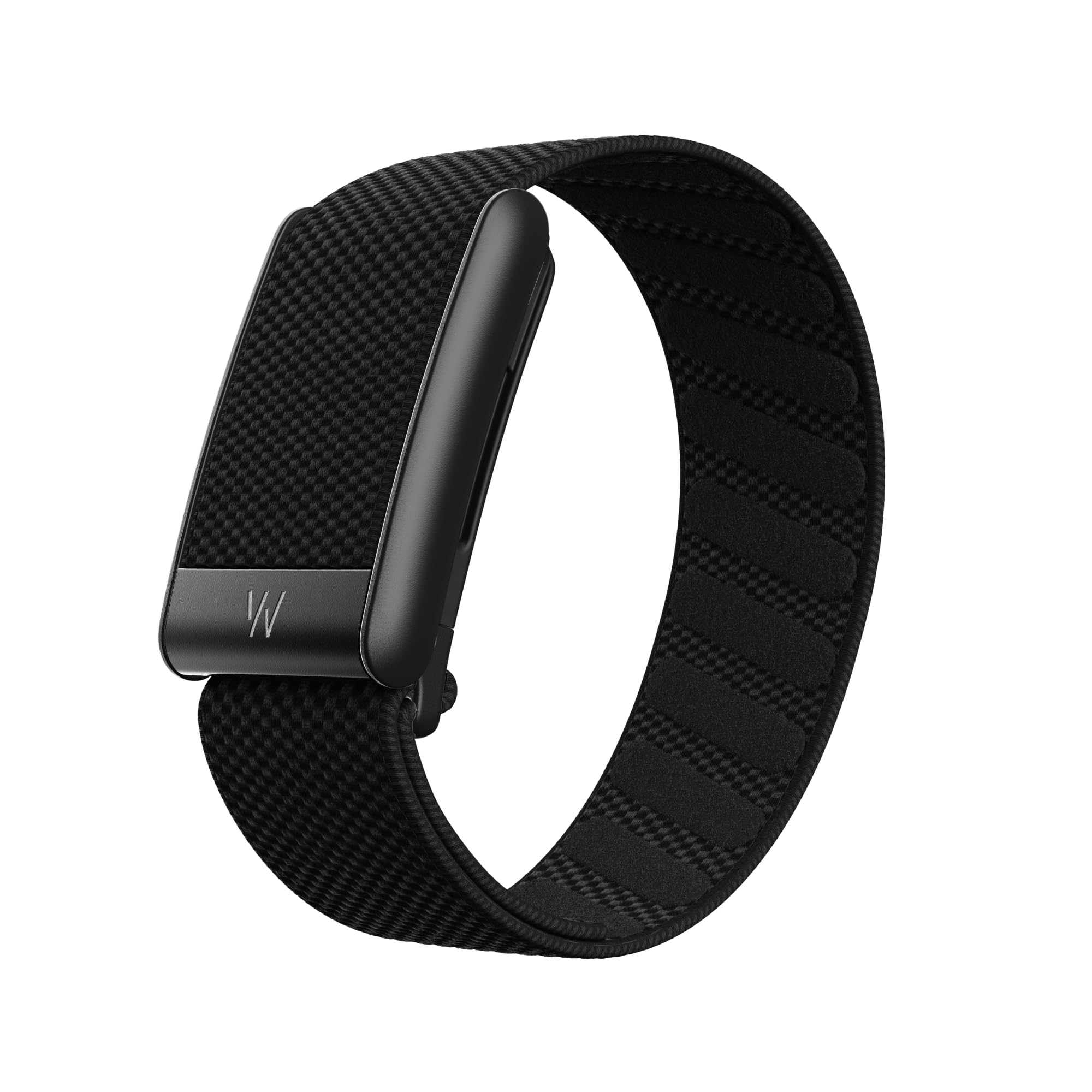
You're not buying a gadget here, you're buying a year of coaching with a device attached. The price covers a 12-month Peak membership and the WHOOP 5.0 itself, and it's HSA/FSA eligible in the U.S. if you have those funds sitting unused — a detail more health hardware should advertise.

The band has no screen and a rated 14-day battery, and the charging trick is genuinely good: a wireless PowerPack slides over the sensor and tops it up while you wear it, so recovery data never pauses for an hour on a charger. Sleep, recovery, strain, HRV, and a healthspan estimate all land in one app that is more opinionated than anything else here — WHOOP AI tells you what to do next instead of handing you a graph to interpret.

It's a different relationship with your data than a step counter. We found the sleep and recovery side the most useful part and the daily strain target the part we argued with, which is roughly the intended experience: the app has a view, and you either find that motivating or tiresome.

One practical snag to check before ordering: if you already hold a WHOOP membership, this prepaid bundle doesn't necessarily attach to that account, and it's the kind of thing you discover after paying. For someone training toward an event who wants an app to tell them what to do next, the money is defensible; if you want steps and sleep and nothing else, the Fitbit Air does most of it for far less.

Bottom line: Worth it if you want coaching and recovery scores rather than step counts, and only if you'll use a full year of the membership.

#7

Bakoor Fitness Tracker

Bakoor Fitness Tracker

Budget basics

Our Score 8.0/10
Check Price

Worth Noting

  • No manufacturer warranty
  • Charging is the most likely failure point
Display
1.10-inch AMOLED
Warranty
None
Sport Modes
25
Water Resistance
IP68
Read the full review

A 1.10-inch AMOLED at this end of the market is the whole pitch, and it holds up: bright, clear, easy to read mid-workout, with watch faces that make it look like it cost noticeably more than it does.

Underneath the screen it's a familiar budget package — all-day heart rate, blood oxygen, sleep stages, blood pressure, and 25 sport modes, sealed to IP68 against sweat and splashes. We treat the blood-pressure number as a novelty rather than a measurement; no wrist band here replaces a cuff, and this one is no exception. For everyday movement and a rough sleep trend, it does the job at a price that makes the experiment easy.

What you're accepting is the long game: it's happiest as a first tracker, a spare for the gym bag, or a gift for someone testing whether wrist tracking sticks at all. The people it suits are the ones who want a readable screen and a step count without committing to an ecosystem — and who won't mind starting over if it gives up.

Bottom line: A cheap, good-looking way to try wrist tracking — treat the health numbers as rough trends and don't count on a warranty.

How We Wore, Charged, and Second-Guessed 14 Fitness Trackers

We started by pulling spec sheets for every tracker we could find in the mainstream and mid-range tiers, then cut anything with a battery claim under three days, no sleep-stage sensor, or an app that hadn't been updated in the last year. That left 14 trackers, which we wore for six months — each one spending at least two weeks as someone's daily driver, including overnight. They went to the office, on runs, through the shower, and to bed.

Battery life was tracked with a spreadsheet and a stubbornness about charging: we logged the date of every charge and the percentage left when we finally gave in, because a five-day claim that turns into three is a different product. Accuracy got the hand-count test, one measured mile walked with a clicker in hand and compared against the tracker's number, plus heart rate checked against a chest strap during intervals. For sleep, we compared reported bedtimes and wake-ups against a bedside clock and noted when a 2 a.m. bathroom trip got logged as a full awakening.

We also paid attention to what you notice after the honeymoon. Each tracker was paired with both an iPhone and an Android phone, and we walked out of range to see how fast notifications dropped and reconnected. We set each one up without opening the manual and noted exactly where we got stuck. And we wore them with blazers, gym clothes, and a wedding guest outfit, since a tracker you're embarrassed by is one you stop wearing. Value came down to one question at the end of each two-week stretch: would we spend our own money on this one?

How to Choose a Fitness Tracker

Screen, No Screen, or a Ring

There are three shapes in this group, and they ask different things of you. A band with an AMOLED panel, like the Smart Band 10's 1.72-inch screen at 1500 nits, gives you the time, your steps, and your workout at a glance, which is what most people picture when they say tracker. A screenless band like the Fitbit Air gives all of that up for five grams and nothing to distract you. A ring gives up the wrist entirely. If you'd miss glancing down for the time, cross the screenless options off first; that one question eliminates more candidates than any specification.

Battery Life Is Really a Charging Habit

A three-week band and a five-day band both work; they fit different routines. Rated life here runs from about five days on the Fitbit Air to 21 on the Smart Band 10, with the Garmins at 11 and WHOOP at 14. Those numbers shrink under real settings: switching the vívoactive 5's display to always-on pulls its 11 days down to about five, and GPS mode drops the Forerunner 165 from 11 days to 19 hours.

Decide how you charge before you compare capacities. If a nightly top-up on the nightstand is already part of your routine, a five-day tracker costs you nothing; if you travel or you know you'll forget, buy the longest battery you can and treat the display as the thing you're trading for it.

What Wrist Sensors Get Right, and What They Don't

Steps and resting heart rate are the dependable half of what a wrist tracker measures. Sleep stages and blood oxygen are the softer half, and every pick here is better at one than the other, so judge a week of nights rather than a single score.

The bigger trap is blood pressure. Several budget bands advertise it, but an optical sensor on a wrist isn't a cuff, and no reading from one should replace a measurement your doctor takes. Buy for steps, heart rate, and sleep trends, and ignore any band whose main selling point is the health numbers it claims to read.

GPS: Built In or Borrowed From Your Phone

Built-in GPS is the clearest dividing line in cost and battery. The Forerunner 165 and vívoactive 5 find satellites themselves, which is why they cost more and why the Forerunner manages 19 hours in GPS mode rather than days. The Smart Band 10 and Fitbit Air borrow your phone's location instead, which is fine for walks, gym sessions, and hikes with a handset in your pocket, and useless if you run without one. Be honest about whether you leave the house with your phone and the decision makes itself.

Add Up the Membership Before You Buy

Two picks here are really subscriptions. WHOOP's price buys a 12-month membership with the device included, and the app's coaching needs an active plan to keep working; the Oura Ring 5 includes the first month and bills monthly after that. Fitbit's premium tier is optional for the basics, and Garmin and Xiaomi don't gate theirs behind a payment.

Price two years rather than one. If the coaching is genuinely what you're paying for, a membership is fair value; if it isn't, buy a tracker with a free app and spend the difference on a band you'll actually want to wear overnight.

Frequently Asked Questions

Final Verdict

Start with the Xiaomi Smart Band 10 unless something specific rules it out. It's the least expensive pick here, it tracks the metrics most people actually use, and it goes weeks between charges; the metric-only display is the price of admission. If you'd rather wear something you never look at, the Fitbit Air is the upgrade worth paying for.

And if running is the reason you're shopping, the Forerunner 165 is the only one here that coaches you. Everyone else is buying a step counter with better manners.