Shoes & Apparel

Best Running Shoes for Wide Feet of 2026

If you have wide feet, buying running shoes follows a script you already know: size up half a size, crank the laces, and spend the next few miles pretending your pinky toe isn't going numb. I did that for years, and the half-size trick never solved anything — it just moved the pressure from the sides to the heel, which then slipped with every stride. What works instead is genuine room across the forefoot paired with a heel that still holds you steady.

We ran in 12 pairs over six months, and the gap between a shoe that's merely big and one that's actually shaped for a wide foot showed up within the first few miles. Some deliver the room through a dedicated wide width; others build a roomy toe box into a standard size, the better bet if your width is all up front. The keepers all had cushioning that stayed soft past mile eight, an arch that didn't flatten, and uppers that didn't blow out at the flex point. The pairs that made the cut are below.

#1

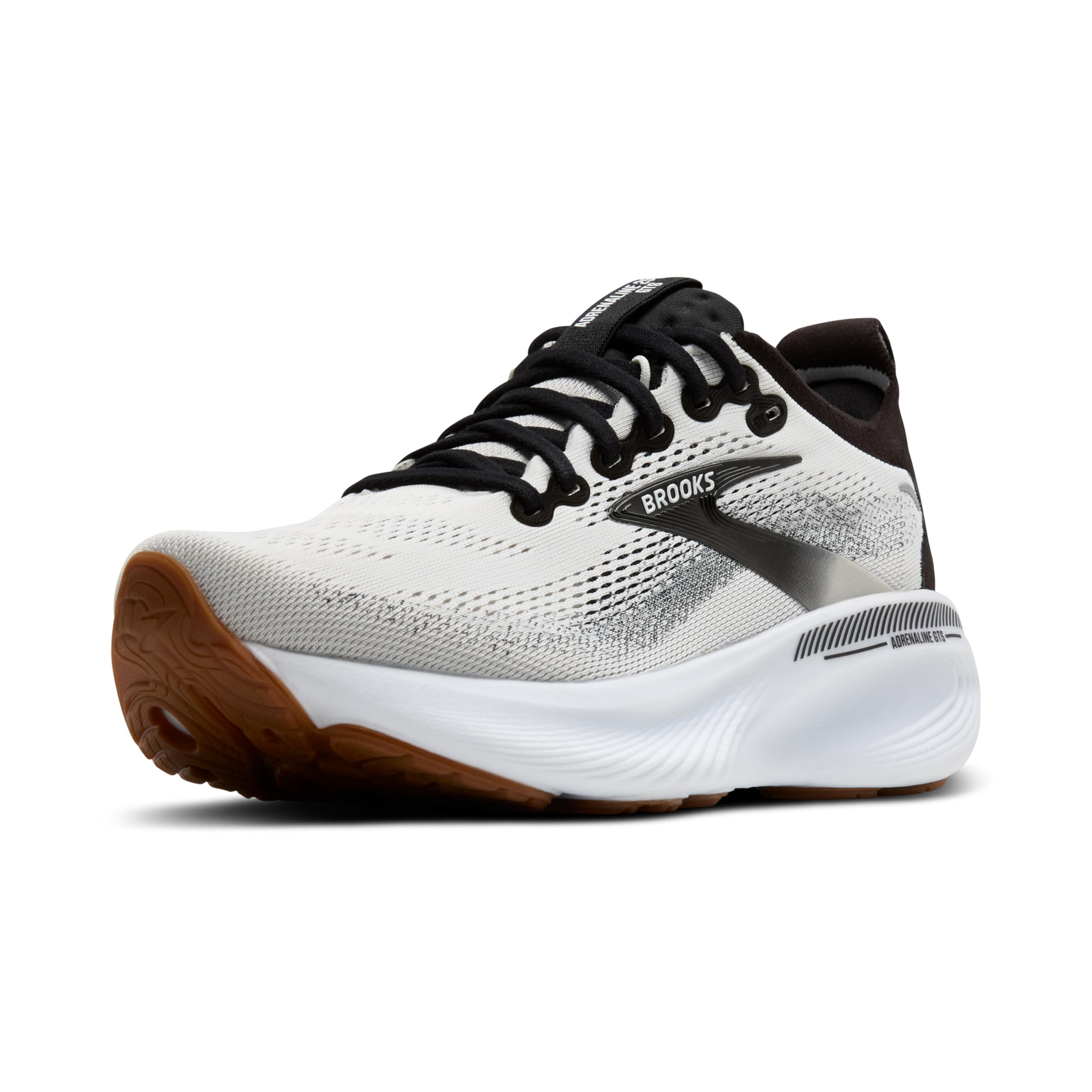
Brooks Adrenaline GTS 25

Top Pick
Brooks Adrenaline GTS 25

Daily road miles

Our Score 9.0/10
Check Price

Worth Noting

Use
Road running
Toe Box
Roomy
Cushioning
Soft, supportive
Width Options
Wide and extra-wide
Read the full review

A wide forefoot usually forces a choice: crowd the toes into a stable shoe or size up and swim in the heel. The Brooks Adrenaline GTS 25 is the rare pair here that avoids both. It comes in wide and extra-wide sizes, and the toe box is genuinely roomy, so our first impression was not of a shoe we had to break in but of one that already had space for the foot. That combination is why it is our top pick.

The ride is the second reason it earns the spot. The footbed is soft under the arch and heel, with enough cushioning for long road miles, and the heel counter holds without pinching. We also appreciate the stability: it feels planted without the stiff, corrective feel that can come with supportive shoes. For runners who want to spread their toes and still feel secure, that balance is the whole point.

The toe box gets the attention, but the secure midfoot is what lets you tighten the laces and forget about the fit. That is what keeps the Adrenaline working for daily training rather than just walking. The wide sizing is the reason to start here; the heel hold is the reason to stay.

Bottom line: Wide-footed road runners get room and support in the Adrenaline GTS 25: a genuinely broad toe box, steady cushioning, and a heel that stays put. It is our top pick.
#2

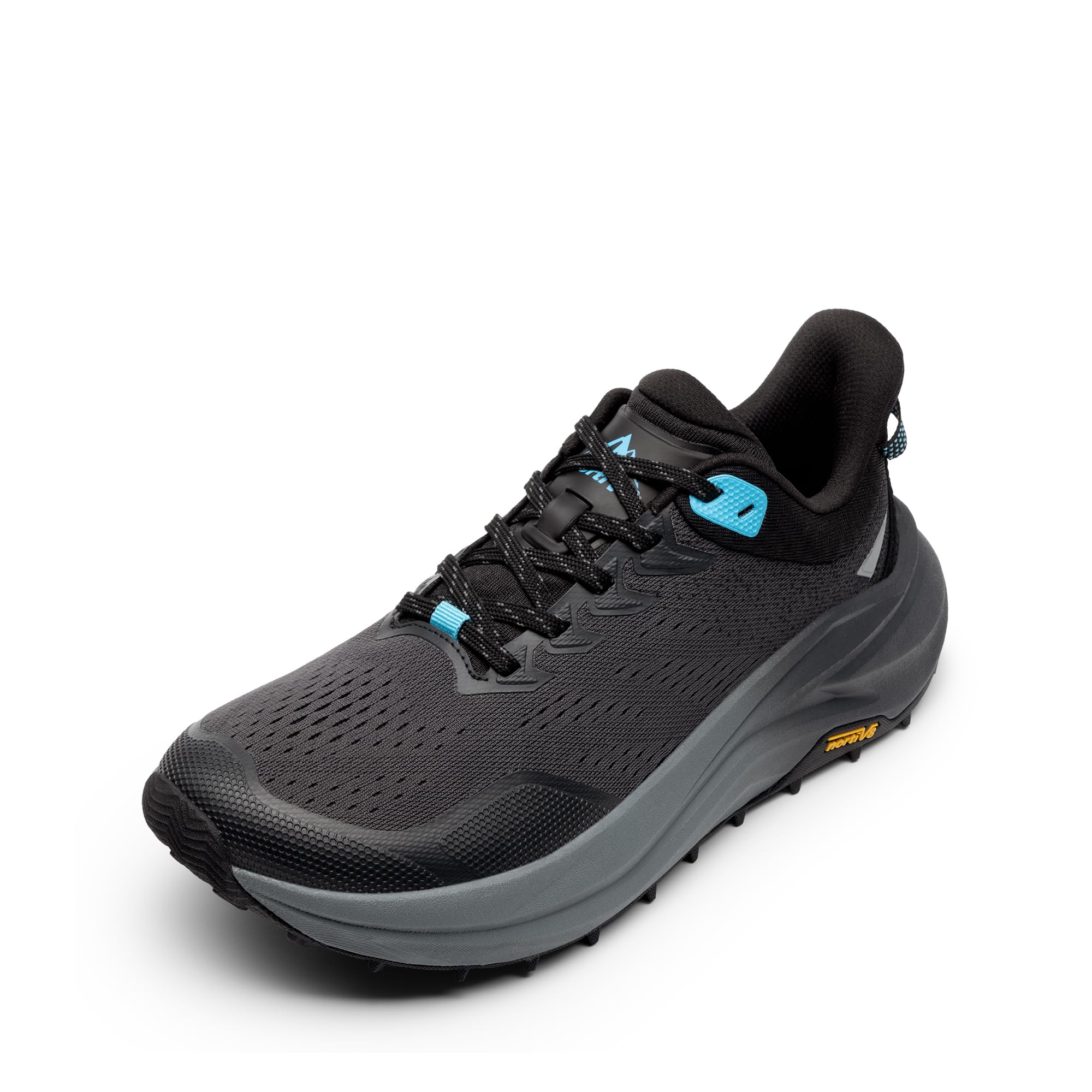
NORTIV 8 Whitney

NORTIV 8 Whitney

Trail running

Our Score 9.0/10
Check Price

Worth Noting

  • Trail tread is not suited to long road runs
Use
Trail running
Drop
Low
Outsole
Lugged
Toe Box
Wide
Read the full review

The NORTIV 8 Whitney does not make you guess about width. The toe box is wide and tall enough that the toes sit flat rather than curling under, and the low-drop platform lets the forefoot do more of the work. The lugged outsole is the other half of the story: this is a trail shoe first, not a road trainer with a rugged look.

That combination is why it earns a place for trail days. The cushioning is firm enough to protect without feeling vague, and the grip on dry dirt and packed trails is confidence-inspiring. We also like that the wide fit does not come with a sloppy midfoot; the upper wraps the foot rather than letting it slide, which matters when the ground is uneven.

The low drop takes some adjustment if you are used to a traditional trainer. For hikes, easy trail miles, and runners who want a natural forefoot spread, that adjustment is the price of the roomy shape. The value is the clincher: it delivers the wide-toe-box fit without the premium-brand markup.

Bottom line: The NORTIV 8 Whitney is what we reach for on trail days: a low-drop platform, a truly wide toe box, and lugs that grip.

#3

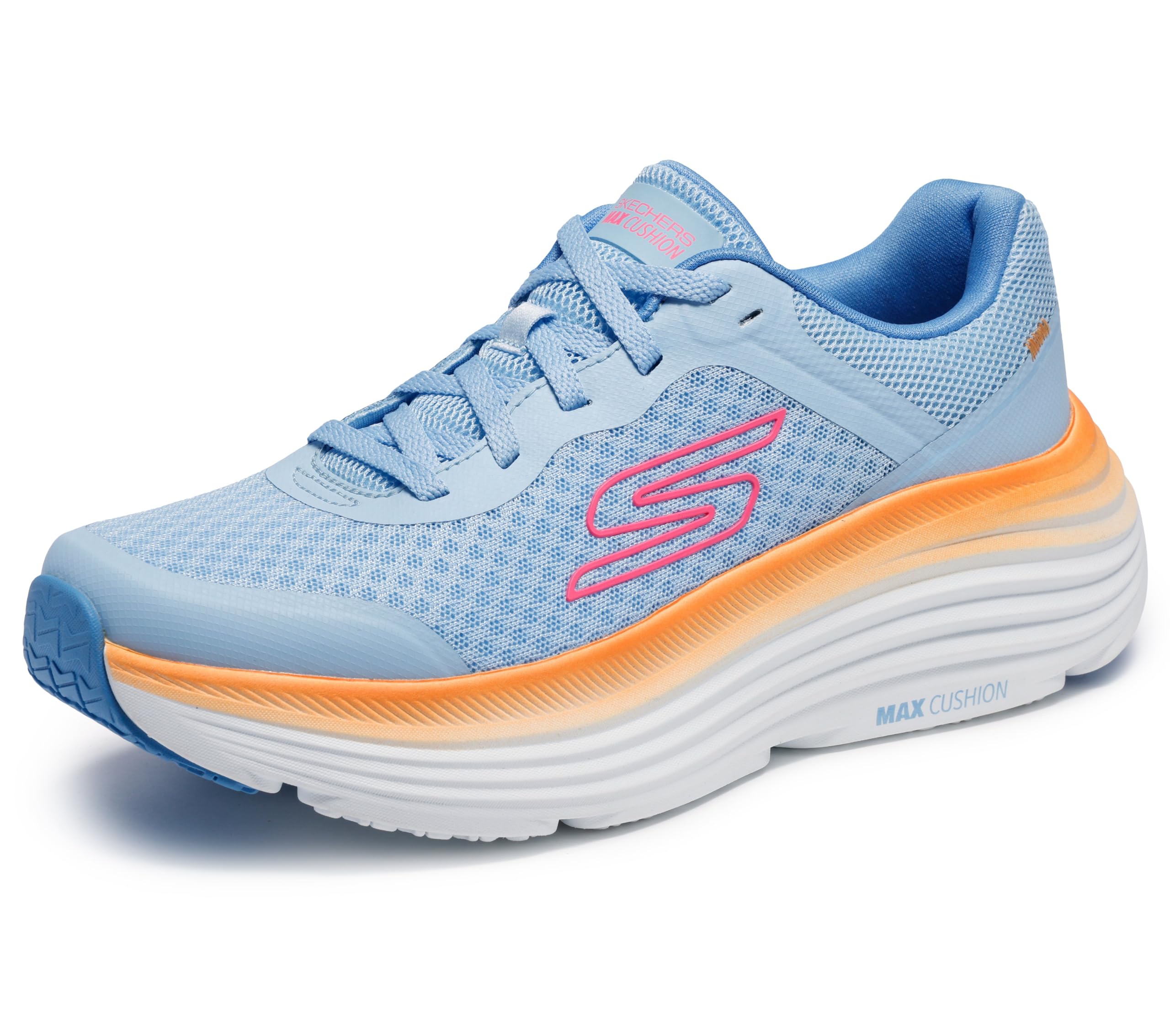
Skechers Max Cushioning Endeavour

Skechers Max Cushioning Endeavour

Easy miles

Our Score 9.0/10
Check Price

Worth Noting

Fit
Extra-wide
Care
Machine washable
Insole
Air-Cooled Goga Mat
Cushioning
Max cushioning
Read the full review

A machine-washable running shoe sounds like a gimmick until you have a pair that gets muddy on a daily walk. The Skechers Max Cushioning Endeavour earns the feature: the mesh upper, the Air-Cooled Goga Mat insole, and the max-cushioning midsole are all built for easy miles and long days on your feet.

The fit is the reason it made the list. The toe area is extra roomy, and the upper has a soft, flexible feel that does not press across the top of the foot. The heel is snug enough to keep the shoe from flopping, which is not a given in a wide, max-cushion design. We also appreciate that the insole adds a little bounce without turning the ride mushy.

The honest read is that this is the comfort-first pick: it is best for walking, recovery runs, and standing all day, not for tempo work or technical trails. The soft ride is the point, and the price makes it an easy way to try a wide, cushioned shoe without committing to a premium pair. If you want a firmer, more grounded trainer, the ASICS Excite 11 is the better match.

Bottom line: The Skechers Max Cushioning Endeavour is the comfort-first pick for wide feet: plush, roomy, machine washable, and easy on the budget.

#4

Nike Run Swift 3

Nike Run Swift 3

Wide-size road runs

Our Score 9.0/10
Check Price

Worth Noting

  • Can develop an internal squeak
Use
Road running
Weight
Lightweight
Cushioning
Soft
Width Options
Wide sizes
Read the full review

Wide sizes are not hard to find until you need a large one. The Nike Run Swift 3 stands out here because the wide fit is available in big sizes, including a 15 wide, and the shoe does not use that width to make the rest of the fit sloppy. The upper leaves room through the toes and ball of the foot, which is exactly where a wide-footed runner feels the pinch first.

The ride is simple and likable: light, soft underfoot without feeling mushy, and cushioned enough for everyday road miles. The padded heel collar holds the ankle without rubbing, and the shoe feels easy to lace up and forget about. We also like that it looks like a normal sneaker rather than a medical shoe.

That makes it a strong choice for a wide-footed runner who wants a mainstream look and a light ride. The wide fit is the reason to try it; the easy, uncomplicated feel is why it stays in the rotation. It is not the plushest shoe here, but it is one of the easiest to wear all day.

Bottom line: Need a large wide size in a normal-looking trainer? The Nike Run Swift 3 is our mainstream pick, with a light ride and soft cushioning.

#5

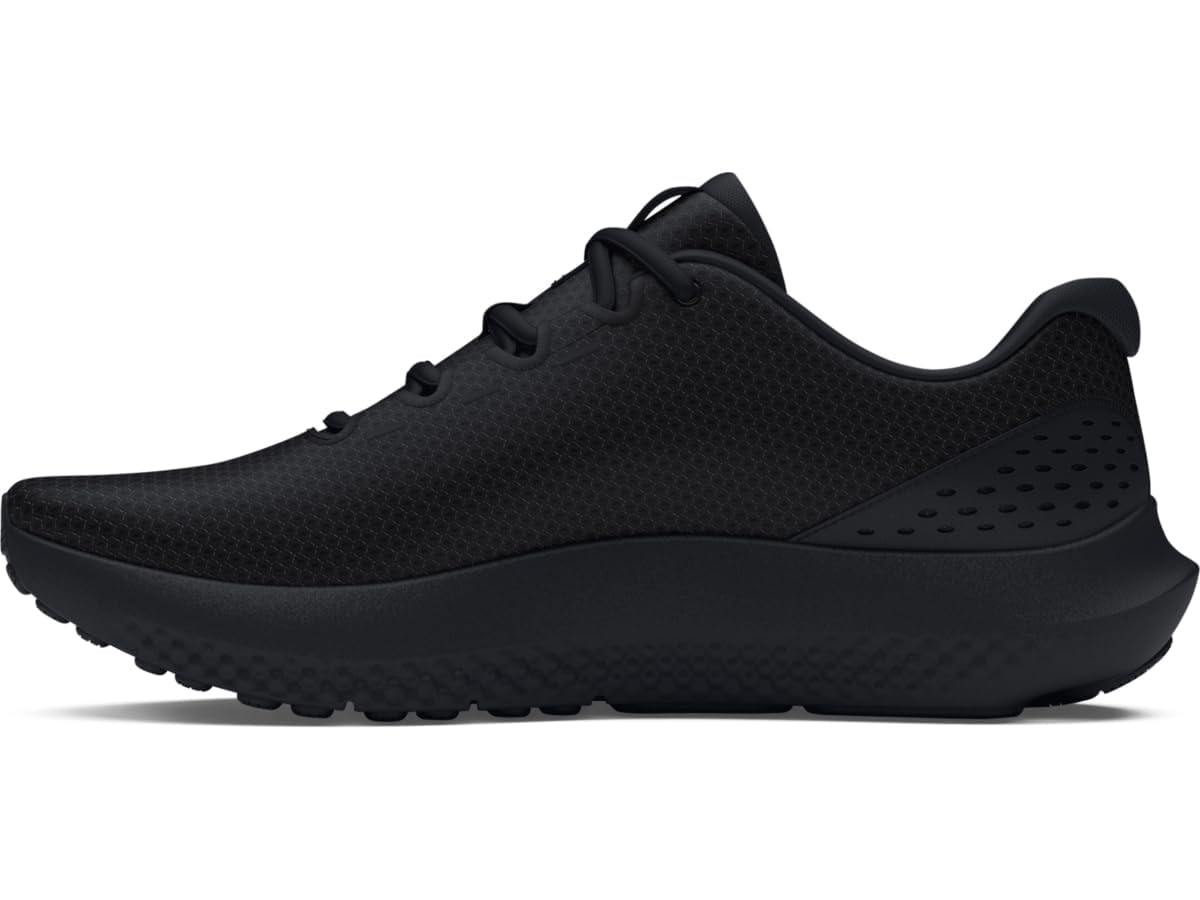
Under Armour Charged Surge 4

Under Armour Charged Surge 4

Short runs

Our Score 9.0/10
Check Price

Worth Noting

  • Mesh toe can wear through with heavy use
Use
Road running
Weight
Lightweight
Toe Box
Roomy
Cushioning
Supportive
Read the full review

The Under Armour Charged Surge 4 is the low-cost route to a wide toe box. The toe area is roomy enough for a broad forefoot, and the upper has a soft, flexible feel that does not press on the top of the toes. For a budget shoe, that is the right place to spend the money.

It is also light enough to disappear on a short run. The cushioning is supportive rather than plush, with a firm-ish heel and a flexible forefoot, and the shoe works well for gym sessions, walk-run days, and errands. We like that it does not feel like a specialty shoe; it is easy to put on and go.

That versatility is why it stays in the bag: it handles a gym session, a short road run, and a day of errands without feeling like overkill. The upper is breathable enough for warm weather, and the laces cinch down without pressure points. It is not a high-mileage trainer, but it does not pretend to be one.

The value case is simple: if you want a wide toe box and a light ride without paying for a premium trainer, this is the pair to try first. For a short run or a gym session, the roomy fit is the part you notice; the low cost is the part you stop thinking about.

Bottom line: The Under Armour Charged Surge 4 is the low-cost way into a wide toe box, with a light ride that suits short runs and gym days.

#6

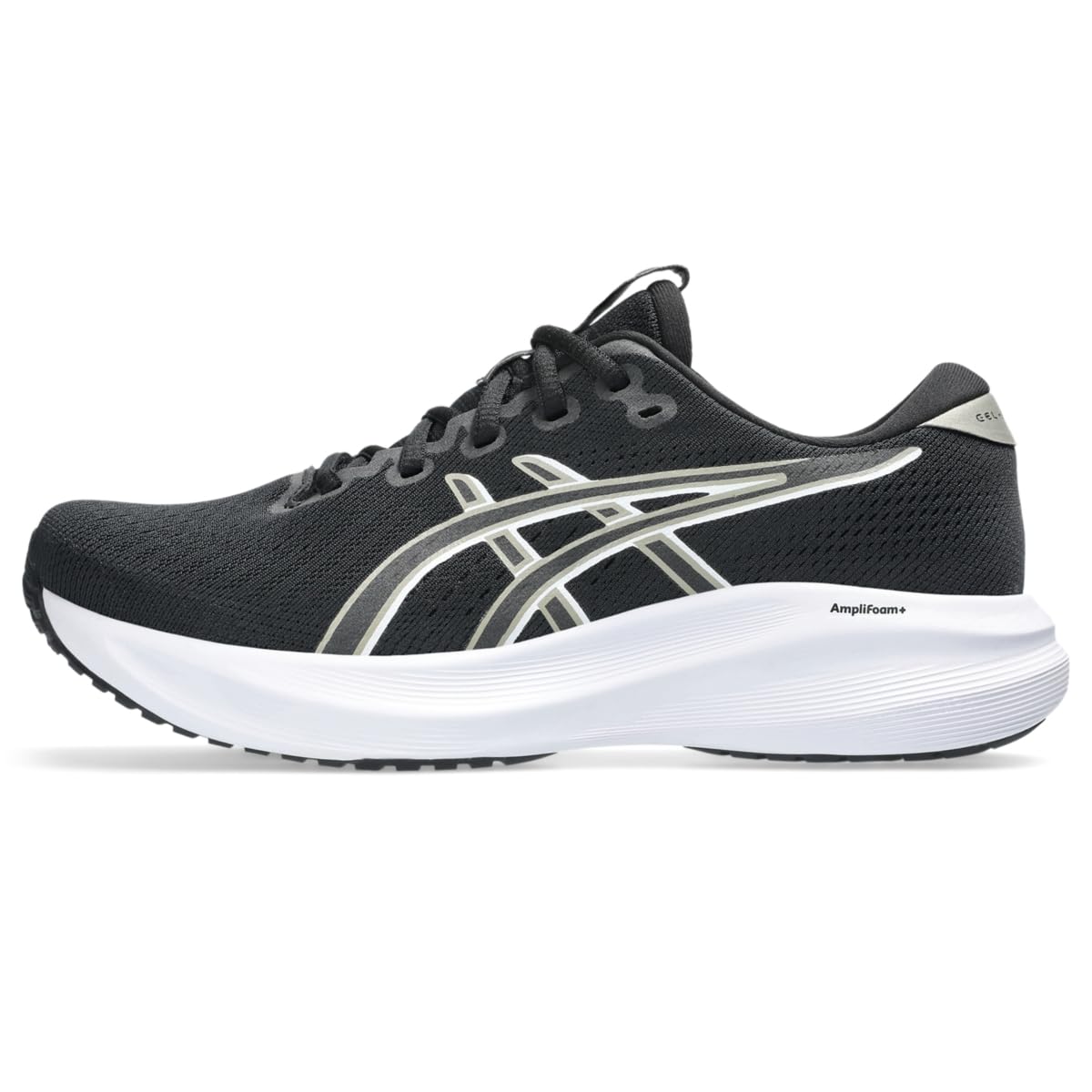
ASICS Gel-Excite 11

ASICS Gel-Excite 11

Daily training

Our Score 8.8/10
Check Price

Worth Noting

  • Some wide-width pairs still feel snug
Use
Road running
Toe Box
Roomy
Arch Support
Supportive
Width Options
Wide available
Read the full review

The detail that makes the ASICS Gel-Excite 11 work for a broad forefoot is easy to miss: the upper lifts slightly over the toes, giving them room without making the whole shoe boxy. Add the wide sizing and you get a daily trainer that does not punish a wide foot at the end of a long day. That practical fit is why it is our pick for runners who want support without a max-cushion boat.

The ride is soft but not vague. There is enough cushioning under the forefoot for daily road miles, and the arch support keeps the ankle feeling settled rather than tipped inward. We noticed the heel hold most on longer walks: it is snug enough to keep the foot from sliding, which is often the weak point when a wide toe box is the priority.

It is not the plushest shoe here, and runners who want a pillow-soft landing should look at the Skechers Max Cushioning instead. If you are between a standard and a wide, order the wide first; adding length will not solve pressure across the toes. The slightly lifted toe box is the difference between a shoe that fits and one that rubs.

Bottom line: If your wide feet need arch support without a narrow toe box, start with the ASICS Gel-Excite 11. It is our daily-trainer pick.

#7

BRONAX S71

BRONAX S71

Budget road runs

Our Score 8.6/10
Check Price

Worth Noting

  • Outsole wears faster with daily high mileage
Use
Road running
Midsole
EVA
Outsole
Rubber
Toe Box
Super-wide
Read the full review

The BRONAX S71 is built around a simple promise: a very wide toe box at a budget price. The toe area is broad and tall, with room for toes to sit flat, and the upper has enough structure that the shoe does not collapse around the foot. For a wide-footed runner who has been priced out of the premium brands, that is an appealing start.

What surprised us is how normal the ride feels. The EVA midsole and rubber outsole give it a supportive, slightly firm road feel rather than the mushy platform budget shoes sometimes have. The lacing takes a little patience because there are many eyelets, but once snug, the midfoot holds well. At this price, it is the wide-toe-box pick we point to first for short road runs and gym days.

The toe box is the main event, and it stays roomy even after the upper warms up. For a runner who wants to test a wide shape without spending much, that is enough. It is not the pair we choose for a fast workout, but it is the one we hand to a friend who needs room.

Bottom line: Budget-minded wide-footed runners should try the BRONAX S71 first: the toe box is super-wide, the ride is supportive, and the price is hard to argue with.

How We Tested Running Shoes for Wide Feet

We started with research, reading through customer reviews and narrowing the field to shoes that either come in dedicated wide widths or are built on a roomier last with extra toe space. From there we ordered 12 pairs across a spread of prices and rotated them through the same schedule for six months.

Every pair went on the same runs: weekday mornings on asphalt and sidewalk, treadmill sessions when the weather turned, one weekly long run, and plenty of standing and dog-walking in between. I laced each shoe up at the end of the day, when feet are at their widest, wearing the same socks, and noted where pressure appeared first — the pinky toe, the outside edge, the top of the foot — and whether the heel stayed locked in on hills.

Fit and sizing were measured rather than eyeballed: we compared each insole against a Brannock device and tracked how much the upper stretched by mile 50. Comfort and arch support were judged on long runs, specifically whether the footbed was still propping up the arch an hour in or had started to flatten. For durability and the sole, we checked outsole wear at the heel and forefoot, pressed a thumbnail into the midsole to see how much foam had compressed, and ran on wet pavement to test grip. Squeakiness got its own quiet test, a lap of a hardwood hallway plus a wet sidewalk, since a loud shoe is one you stop reaching for. We also wore each pair with jeans and shorts to see how they looked off the run, and weighed whether the price felt fair for what the shoe actually gave back.

How to Choose Running Shoes for Wide Feet

Width and toe-box shape come first

A wide width and a wide toe box are not the same thing. A wide width adds volume around the whole foot; a wide toe box gives the forefoot more room while keeping the heel and midfoot secure. For running, we prioritize the toe box first, then check that the heel does not slip. If a shoe feels tight across the ball of the foot, going up a length rarely fixes it; try the wide or extra-wide version instead. The ASICS Gel-Excite 11 is a good example of a shoe that adds toe room without turning the whole fit into a boat.

Match the outsole to where you run

Road shoes have smoother rubber and a more flexible ride; trail shoes add lugs and often a lower drop for uneven ground. A trail shoe can handle pavement, but the lugs feel clunky and wear faster, so choose based on where most of your miles happen. If you split your time, a road shoe with a slightly more textured outsole is usually the better compromise. The NORTIV 8 Whitney is the clear trail choice here, while the BRONAX S71 and Nike Run Swift 3 are happier on pavement.

Balance cushioning with support

Max cushioning is tempting for wide feet because it feels protective, but too soft a platform can let the foot roll inward on longer runs. We look for a wide base, a secure heel, and cushioning that rebounds rather than bottoms out. Runners who want plush comfort for easy days can choose the Skechers Max Cushioning Endeavour; those who want a more grounded daily trainer should start with the Brooks Adrenaline GTS 25 or ASICS Gel-Excite 11. The right answer depends on whether you want a pillow or a platform.

Do not ignore durability and weight

A light shoe is pleasant, but a wide-footed runner should not trade away too much structure. Budget models often use softer rubber or thinner mesh, which can wear through at the toe or outsole sooner. Check the outsole after your first few weeks and rotate pairs if you run often. The Under Armour Charged Surge 4 is a good light option for short runs, while the Brooks Adrenaline GTS 25 is the sturdier choice for daily mileage. Fit still comes first; a durable shoe that pinches is not a bargain.

Frequently Asked Questions

Final Verdict

The Brooks Adrenaline GTS 25 is the pair we recommend first for most wide-footed road runners. It gives the forefoot real room without losing heel hold, and the cushioning is supportive enough for daily miles rather than just a trip to the store.

If your runs happen on dirt, choose the NORTIV 8 Whitney; if you want maximum softness for walking and easy days, the Skechers Max Cushioning Endeavour is the comfort-first alternative. Budget buyers can start with the BRONAX S71, but keep an eye on outsole wear.