Shoes & Apparel

Best Long-Distance Running Shoes of 2026

The cruelest thing a running shoe can do is feel perfect for five miles and then turn on you at mile 18. A long-distance shoe has to keep its cushioning alive when your form falls apart, hold your foot without pinching, and still feel good on an easy day. I've spent the past eight months rotating through 12 pairs on roads, a treadmill, and a rain-slicked hilly route, and the gaps showed up late in long runs. The right pair doesn't make you faster; it makes the last third feel less like a negotiation with your feet.

Comfort is personal, but support and cushioning are not—you can feel when foam packs out or an upper starts rubbing. Your feet swell over a long run, so the fit you get in the store isn't the fit you'll have at mile 16. We weighed value and durability: a shoe that costs a lot and wears through its outsole quickly isn't a bargain. The picks below are the ones that held up—and the ones I'd reach for on a slow Sunday long run.

#1

Hoka Clifton 10

Top Pick
Hoka Clifton 10

Light daily training

Our Score 9.2/10
Check Price

Worth Noting

  • Durability is below the best here
Ride
Balanced daily trainer
Toe Box
Slightly wider
Cushioning
Soft
Read the full review

The Clifton 10 is the Hoka we choose when the Bondi's max-cushion feel is more shoe than we want. It keeps a soft, forgiving landing and a slightly wider toe box, but it feels less bulky underfoot, which makes it easier to keep a rhythm on a long steady run. That balance is the reason it stays in our rotation.

Comfort is the headline. The upper is soft without feeling flimsy, the arch support is there without pressing into the foot, and the ride stays consistent when you are tired. We also appreciate the roomy forefoot; on longer runs, toes need somewhere to go.

Our reservation is durability. The outsole and upper are not the longest-wearing in this group, and the price is premium. We still recommend it for runners who want a lighter long-run shoe and are willing to rotate it with a more durable trainer. The fit runs true for most feet, though the softer upper hugs the midfoot more than the toe box. We lace it a little looser over the instep and keep the heel locked; that combination keeps the Clifton from feeling sloppy when we pick up the pace.

Bottom line: The Clifton 10 is our lighter long-run Hoka: soft, roomy, and easier to keep moving in, though durability keeps it from being the only shoe we rely on.

#2

Nike Run Defy

Nike Run Defy

Budget daily runs

Our Score 9.2/10
Check Price

Worth Noting

  • Runs small; size up if between sizes
  • Less protective over marathon-distance
Sizing
Runs small
Weight
Lightweight
Cushioning
Cushioned
Read the full review

The Run Defy is the budget pick we are comfortable recommending for long-distance training, which is not the same as saying it is the equal of the Ghost Max 3. It gives you a light, cushioned ride and a surprisingly tidy upper for the money; what it does not give you is the deep, protected feel of a max-cushion shoe. For easy and moderate miles, that trade works. The shoe feels light on the foot, breathes well, and does not feel clunky on the road. The cushioning is not mushy, so you can still feel the road enough to time your turnover. We were also impressed by how little the upper got in the way; there is no stiff overlay digging into the toes.

Sizing is the catch. The Run Defy runs small for a lot of feet, so we treat the listed size as a starting point and go up a half size if you are between sizes or plan to wear thicker socks. The toe box is roomy once you get the length right, but the wrong size turns that room into slop. We reach for it on recovery days and shorter long runs, not on the biggest marathon simulation. It is a smart way to add a second pair without spending premium money.

Bottom line: The Run Defy is our budget long-run pick: light, cushioned, and easy to recommend, as long as you size up and save it for easy to moderate miles.

#3

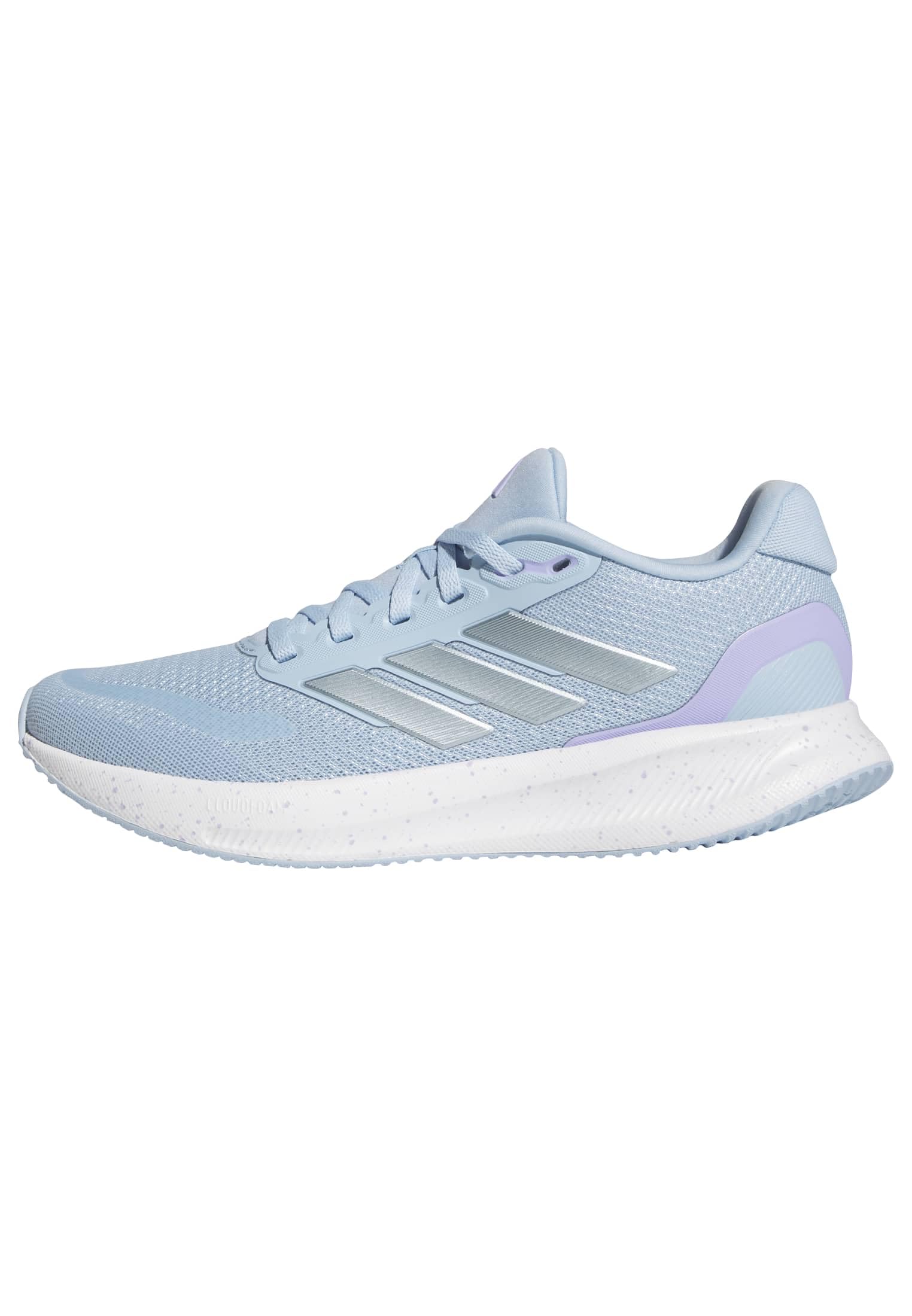
adidas Run Falcon 5

adidas Run Falcon 5

Women's budget runs

Our Score 9.2/10
Check Price

Worth Noting

  • Narrow fit
  • Firmer cushioning than max-cushion picks
Fit
Narrow
Weight
Lightweight
Cushioning
Firm
Read the full review

The Run Falcon 5 is the women's budget pick we point to when the priority is a light, simple road shoe rather than a max-cushion cruiser. It is easy to put on, breathes well, and feels unobtrusive on shorter long runs; it does not pretend to be a plush marathon shoe.

The fit is the deciding factor. The shoe runs narrow through the midfoot, and the cushioning is firmer than the softest picks here. For a runner with a narrow foot who likes ground feel, that is a useful combination; for a wider foot or anyone looking for pillow-soft protection, it will feel like a compromise.

We recommend it as a low-cost women's option for tempo runs, gym work, and shorter long runs. The upper and outsole are not the most durable in this group, so we do not make it the only shoe in a high-mileage block. Sizing runs true to slightly narrow, and the toe box is not as generous as the Hoka or Brooks picks. If you are between widths, go with the wider option or choose a different shoe.

Bottom line: The Run Falcon 5 is a solid women's budget road shoe for narrow feet and shorter long runs, but it is not the cushioning pick for marathon-distance comfort.

#4

Brooks Ghost Max 3

Brooks Ghost Max 3

Long training runs

Our Score 9.0/10
Check Price

Worth Noting

Ride
Cushioned daily trainer
Toe Box
Roomy
Cushioning
Max-cushion
Read the full review

The Ghost Max 3 is the pair we recommend first for long-distance training. What settled it was the combination: a max-cushion ride, a toe box that lets the foot spread, and enough support under the arch that the shoe does not feel vague when form gets tired. On a long easy day, that adds up to a shoe you stop thinking about.

The fit is the reason we keep coming back. The toe box is roomy without turning the midfoot into a sloppy sack, and the sizing tracks true for most feet. That matters over marathon-distance because feet swell; a shoe that starts snug can become a problem late in a run. There is a break-in window around the heel collar, too: a couple of early runs can rub at the base of the Achilles before the collar settles, so we treat the first few outings as short easy runs.

Runners who need a little more width have a better path here than in the sleeker options in this group. The Ghost Max 3 is the pair we leave by the door for the long run; the Gel-Nimbus 27 and Clifton 10 are the ones we save for days when softness is the whole point. That split is the clearest sign of how we rank the ride here.

Bottom line: We recommend the Ghost Max 3 first for half- and full-marathon training: it pairs max cushioning with a roomy toe box and enough support for tired legs.

#5

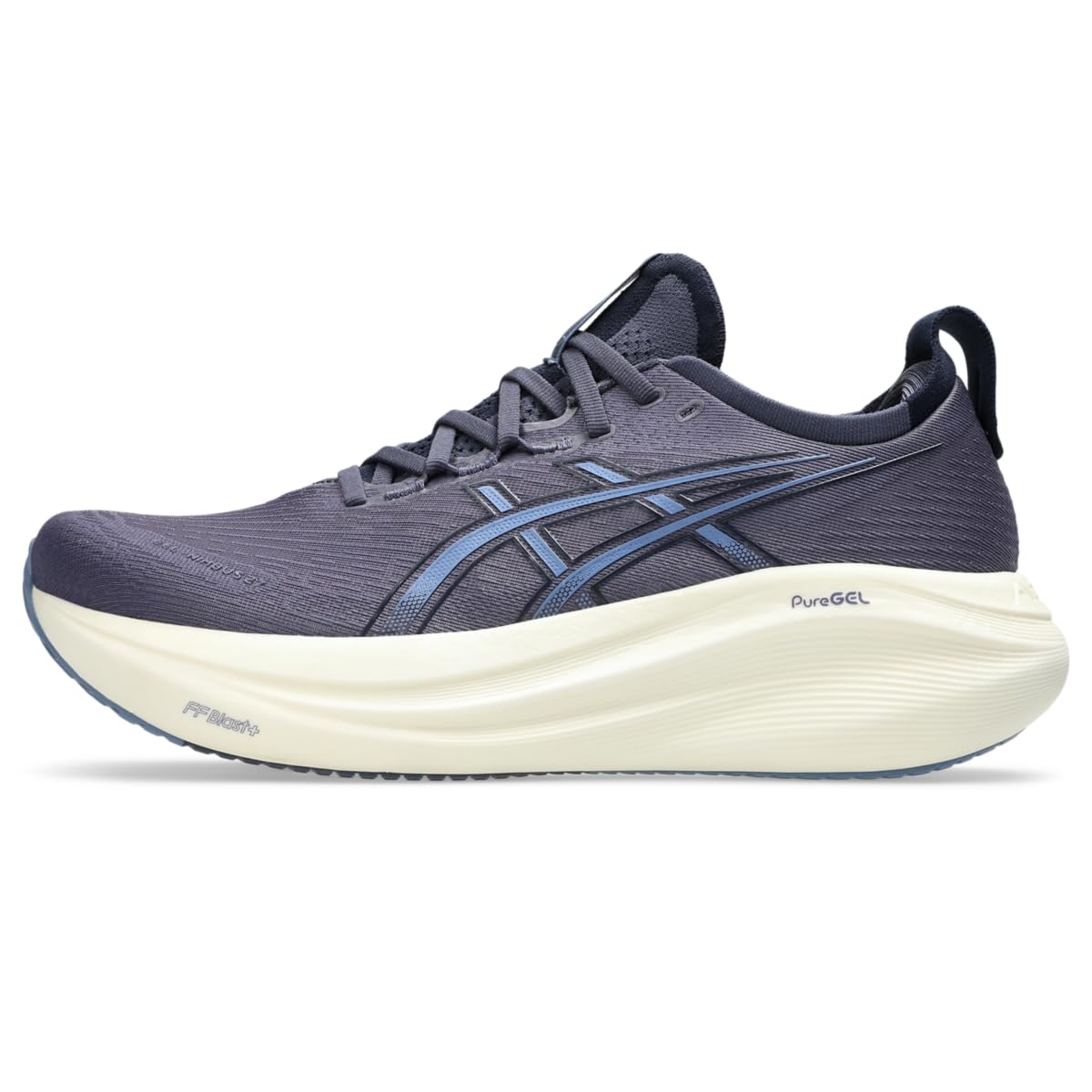
ASICS Gel-Nimbus 27

ASICS Gel-Nimbus 27

Plush daily miles

Our Score 9.0/10
Check Price

Worth Noting

  • Upper durability is the weak point
  • Premium price
Fit
True to size
Upper
Breathable upper
Cushioning
Plush
Read the full review

If the Ghost Max 3 is the sensible long-run choice, the Gel-Nimbus 27 is the one that feels like a treat. The ride is plusher and more pillowy underfoot, with a breathable upper that keeps the shoe from turning into a sauna on warm long runs. We noticed the softness most when we were standing around after a run, not just during it.

We rate it as the best pure comfort option in this set. The arch support is generous without feeling like a corrective insert, and the toe box has enough room for a natural splay. It is a shoe for runners who want the miles to feel softer, not faster.

The trade-off is longevity. The upper is the part to watch; a wear-through can show up early, and the price sits at the premium end of this group. That does not make it a bad buy, but it changes how we use it: we keep the Nimbus for the long, easy days where comfort is the point. Sizing is generally true, and the breathable upper makes it a good summer marathon trainer. If you have a narrow foot and like a close hold, the roomy forefoot may feel a little loose; a thicker sock or a lace lock helps.

Bottom line: The Gel-Nimbus 27 is our comfort-first long-run pick, with plush cushioning and a breathable upper; just watch the upper's long-term wear.

#6

Hoka Bondi 9

Hoka Bondi 9

Recovery runs

Our Score 9.0/10
Check Price

Worth Noting

  • Feels bulky at faster paces
  • Early wear is a risk
Use
Recovery runs
Toe Box
Wide
Cushioning
Maximum
Read the full review

The Bondi 9 is the most cushioned shoe here, and that is both the pitch and the problem. On tired legs and recovery days, the soft EVA landing and wide toe box are genuinely welcome; when we tried to pick up the pace, the shoe felt like more shoe than we wanted. The heel is plush and the upper wraps without pressure.

We keep it for recovery runs and long days on our feet, not as the one shoe for a marathon block. The cushioning is genuinely comfortable, and the wide toe box gives toes room to spread; the trade-off is that the shoe can feel like a lot of foam underfoot when you want a quicker turnover. It is also easy to stand in for hours, which is not something we can say for every max-cushion running shoe.

Durability is the bigger concern. The upper and outsole can wear early, and at a premium price that is hard to ignore. If you want the plushest possible landing and plan to rotate, the Bondi 9 earns a place; if you need one durable shoe for all your long runs, the Clifton 10 or Ghost Max 3 makes more sense. The Bondi 9 is a specialist, and we treat it that way. It is the shoe we put on when our legs are wrecked, not the one we reach for when the workout has a target pace.

Bottom line: The Bondi 9 is our recovery-run specialist: maximum cushioning and a wide toe box for tired legs, with bulk at speed and early wear as the trade-offs.

#7

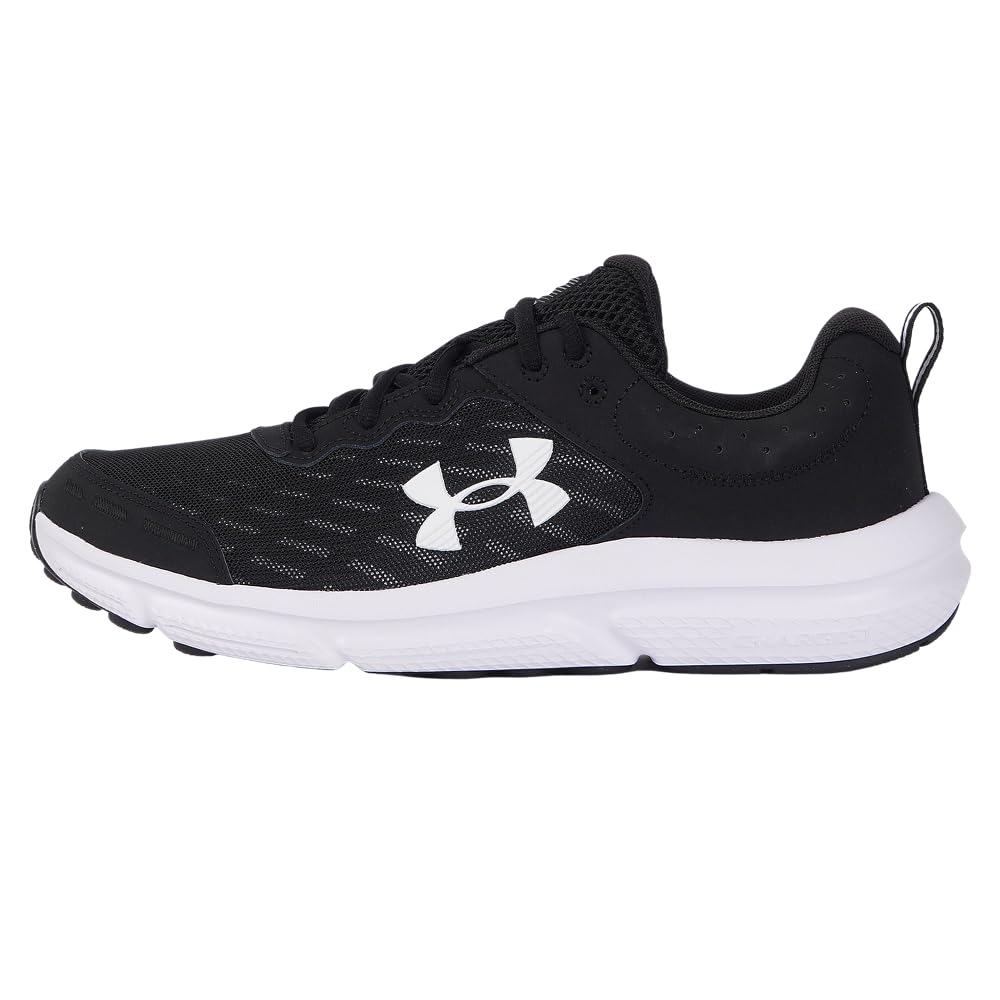
Under Armour Charged Assert 10

Under Armour Charged Assert 10

Wide budget runs

Our Score 9.0/10
Check Price

Worth Noting

  • Sizing runs small and narrow
  • Durability falls short of premium picks
Use
Budget base miles
Width
Wide options
Cushioning
Cushioned
Read the full review

The Charged Assert 10 is the shoe we suggest when a wide forefoot and a low price matter more than max-cushion protection. The wide options give toes room, and the shoe is light enough to disappear on shorter efforts. It is not the pair we choose for a marathon build.

Comfort is decent for the money. The upper is light, the arch support is present, and the shoe does not feel stiff out of the box. The heel is soft and the toe box has some flex, which makes the shoe easy to wear right away. We noticed the lighter weight most on short easy runs and gym days, where a max-cushion shoe can feel like overkill.

The sizing is inconsistent. The shoe can run small and narrow relative to the listed size, so we check the return policy and consider going up a half size if between sizes. The wide version is the reason to look here; the standard width is not especially generous.

Our verdict is that it is a budget wide-fit option, not a long-distance workhorse. The ride is less protected over marathon-distance, and durability can fall short of the premium picks. We treat it as a base-mile shoe, not the pair we trust for a marathon. For treadmill sessions, short base runs, and a second pair on a tight budget, it earns a look.

Bottom line: The Charged Assert 10 is our wide-fit budget pick for base miles and shorter runs, with the caveat that sizing is inconsistent and it is not built for marathon-distance wear.

How We Chose and Tested These Long-Distance Shoes

We started with a shortlist of more than 30 current models from brands with a track record in endurance running, then filtered by stack height, drop, weight, and price to land on 12 pairs that covered the spectrum: max-cushion cruisers, daily trainers, and lighter uptempo shoes. Every pair had to be available in multiple widths or at least offer a true-to-size fit, since sizing is where long-run shoes often go wrong.

Over eight months, I ran each pair through a mix of weekday easy runs, treadmill tempo sessions, a weekly long run of 10 to 20 miles, and a rain-slicked hilly route. I logged at least 40 miles per shoe, paying attention to how the cushioning held up from mile 2 to mile 15, whether the upper kept my midfoot locked without pressure points, and if I had to stop and retie. After every long run I checked for heel slip and toe box room, since feet swell; I also compared each shoe's fit to its size chart and flagged models that ran narrow, short, or wide. For durability, I inspected outsole tread wear and midsole creasing after 50 miles.

Comfort and support were judged on the run, not on a lab bench: I noted heel slip, toe box room, arch pressure, and whether the shoe still felt stable when I got tired. For value, I compared what each pair delivered against others in its price range—no shoe got credit just for costing more. Quality showed up in the details: seam stitching, midsole creasing, and whether the upper stretched out after a few weeks. The shoes that made the list are the ones that stayed comfortable and supportive deep into a long run, not just for the first few miles.

How to Choose Long-Distance Running Shoes

Match the cushioning to the run

Cushioning is not a simple more-is-better scale. A max-cushion shoe like the Ghost Max 3 or Bondi 9 protects tired legs on easy days, but it can feel like too much shoe when you want a quicker turnover. A plush trainer like the Gel-Nimbus 27 is the better fit if comfort is the priority; a lighter, firmer shoe can work for tempo and shorter long runs. Decide which runs make up most of your week, then choose the ride that supports that work.

The trap is assuming a soft shoe is automatically a fast shoe. Softness can mask a lack of stability late in a run. Look for a shoe that feels supportive when you land, not just pillowy in the store.

Fit the toe box, not just the length

Long runs make feet swell, so a roomy toe box matters more than a snug fashion fit. The Brooks Ghost Max 3 and Hoka Clifton 10 both leave room up front without turning the midfoot into slop. Sizing is less consistent: the Nike Run Defy runs small, while the ASICS Gel-Nimbus 27 is generally true to size. If you are between sizes, size for the longer foot and lock the heel with the laces.

A roomy toe box is not the same as a wide fit. If the standard width pinches across the forefoot, try a wide version rather than sizing up; extra length will not fix a narrow midfoot.

Treat durability as part of the ride

Long-distance training eats shoes. The upper and outsole take repeated flexing, and a light road shoe can wear through faster than its cushioning feels flat. The Hoka Bondi 9 and adidas Run Falcon 5 are the picks where early wear is the biggest question; the Brooks Ghost Max 3 has the fewest durability concerns in this set. Rotating two pairs spreads the wear and gives foam time to recover.

Do not assume a higher price buys a longer life. Check the outsole coverage and upper construction, and retire a shoe when the midsole feels flat or the tread is smooth, even if the upper still looks fine.

Spend for the miles you actually run

Budget shoes can cover easy and moderate miles; the Nike Run Defy and Under Armour Charged Assert 10 are proof of that. But if your long run is the centerpiece of the week, put more of the budget into cushioning and fit. A premium shoe that rubs or runs narrow is a worse value than a midrange shoe that fits. The right number is the one that keeps you running consistently.

Frequently Asked Questions

Final Verdict

The Brooks Ghost Max 3 is our default for long-distance training because it delivers max cushioning without a cramped toe box, and it keeps enough support underfoot when form fades. It is the shoe we recommend first for half- and full-marathon miles.

If you want a softer, more plush ride, the ASICS Gel-Nimbus 27 is the alternative we point to; on a tighter budget, the Nike Run Defy covers easy and moderate runs. Start with the Ghost Max 3 unless one of those specific needs points you elsewhere.