Shoes & Apparel

Best Running Shoes for Men with Plantar Fasciitis of 2026

The first step out of bed is the tell. If your heel flares before you've made it to the bathroom, you know exactly what plantar fasciitis feels like, and you've probably started to side-eye the shoes by the door. What you need isn't just something soft — it's an arch that's genuinely held, heel cushioning that doesn't flatten out after a month, and a base stable enough that your foot isn't rolling inward with every step.

We've spent the past six months walking, running, and standing in 12 pairs to find that balance. The lesson I'd pass along first: the plushest shoe in the room is rarely the kindest to a sore heel, and a couple of the softest models we tried left us wobbling at the ankle by mile three.

Fit mattered just as much, since sizing swings wildly in this category and a half size off can undo otherwise good foam. We weighed appearance and value too, because most of these get worn to the grocery store long after the run ends. The picks below earned their spots on all of it.

#1

Brooks Ghost Max 2

Top Pick
Brooks Ghost Max 2

Morning heel pain

Our Score 9.2/10
Check Price

Worth Noting

  • Outsole wear shows up within months at high mileage
Model Number
110431-473
Listed Weight
2 lb
First Available
November 2023
Read the full review

The shoe that matters most with plantar fasciitis is the one you pull on before your foot has warmed up, and the Ghost Max 2 is the pair we hand to anyone whose worst moment is the first ten steps out of bed. It has the deepest, most forgiving platform in this guide, and the arch holds the middle of your foot without pressing into it, a combination that is harder to find than it sounds.

On easy runs the road goes quiet. The landing is soft without the sideways wobble that comes with a lot of max-cushion shoes, and the support reads as a firm hand under the arch rather than a corrective lump. The Adrenaline in this guide does more to check an inward roll; this one mostly absorbs, which is what a tender heel wants when nothing else is wrong with your stride.

Fit is the part to manage. Some feet find it roomy, some find the toe box snug, and it runs a touch small for a slice of buyers. Order your usual running size, wear them indoors for an evening, and keep the box until you have a few miles on them.

Where it stops being the right shoe is at speed. Tempo work feels flat and vaguely dull in all that foam, so if you race, you will want something firmer for it. For recovery days and long slow miles, the runs a sore arch actually needs, it is the one we keep lacing up.

Bottom line: Our top pick: the deepest, quietest cushioning here, with arch support that holds without digging in, best for a neutral stride and a heel that hurts most in the morning.

#2

Hoka Clifton 10

Hoka Clifton 10

Wide feet

Our Score 9.2/10
Check Price

Worth Noting

  • Foam and upper wear early at high mileage
Model Number
1162030-FGZ
Listed Weight
2.06 lb
First Available
April 2025
Read the full review

Wide feet and a sore arch are a hard combination, because most plush shoes taper exactly where you need room. The Clifton 10 is the forgiving one in this guide: the toe box is roomier than the rest even in the standard fit, and it is offered in extended widths.

Underfoot it is the softest shoe we picked. The foam swallows the first mile and keeps swallowing, and the arch support is real, steadying rather than corrective. Long days on your feet get easier in it, and the taller stack means you feel less of the pavement than you do in anything else here.

Where it lands for us is the fitting question. If you have a wide forefoot, a high instep, or an orthotic that needs somewhere to sit, this is the pick, and it is the shape we reach for when a test pair comes back too tight across the ball. The one thing it is not is a standing shoe: the softness that feels wonderful for an hour can go vague after a long shift on concrete.

Bottom line: The widest, plushest option here: a roomy toe box and soft foam that keep a sore arch quiet through long days, best for wide feet and bulky orthotics.

#3

ASICS Gel-Excite 11

ASICS Gel-Excite 11

Value pick

Our Score 9.2/10
Check Price

Worth Noting

  • Moderate cushioning for long-distance runners
  • Sizing runs small for some feet
Model Number
1011C134-300
Listed Weight
1.44 lb
First Available
December 2024
Read the full review

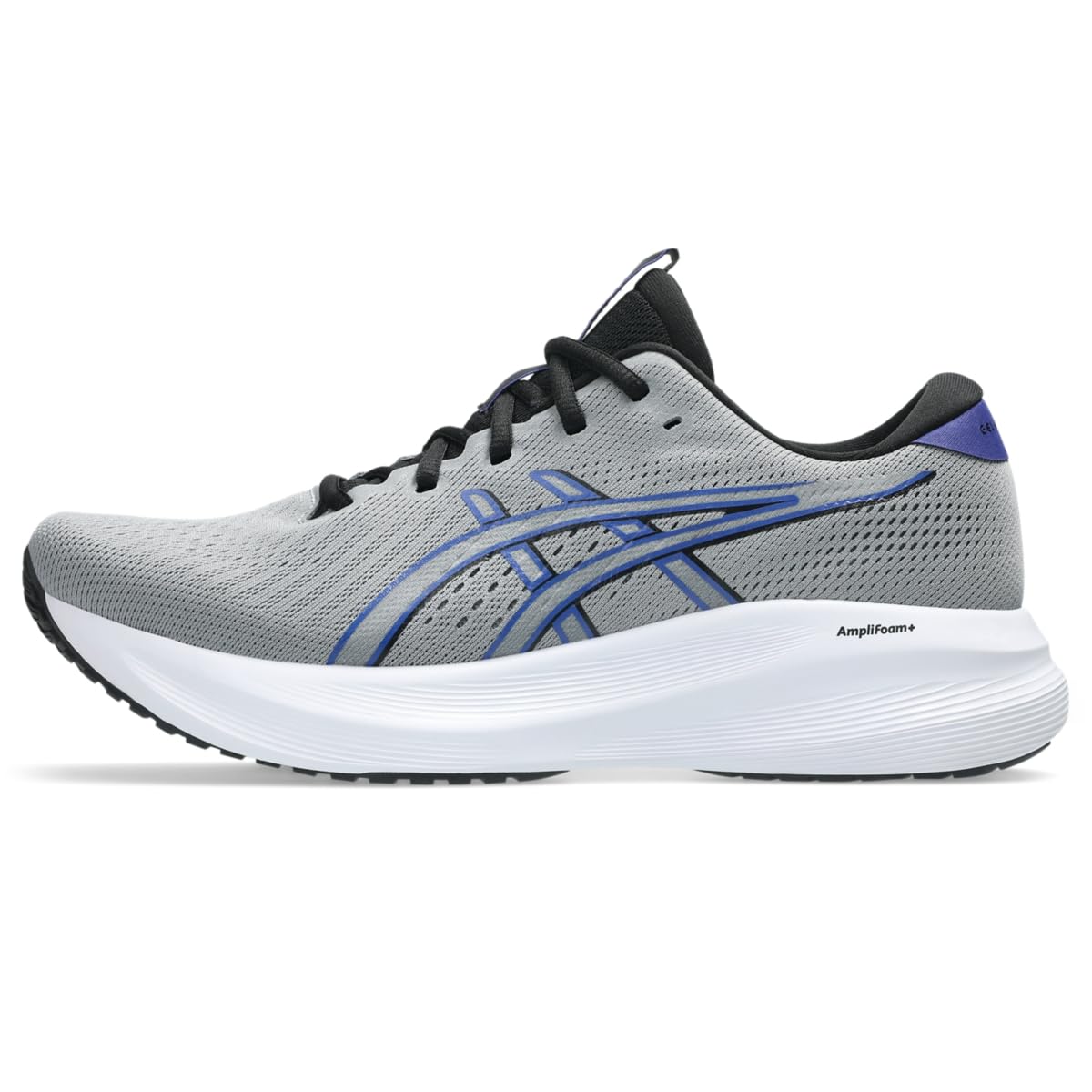
Budget runners usually give themselves away with a dead, thin ride, and the Gel-Excite 11 does not. It is the least expensive shoe in this guide that still brings real arch support, and for a lot of runners that combination is the whole decision.

This version is thicker and wider than the ones before it, which matters if an earlier Excite pinched your forefoot, and it comes in wide and extra-wide sizes. The landing is soft enough to take the sting out of pavement, the arch is supported rather than poked, and it holds its shape when you push the pace. Nothing about the ride feels cheap.

What you give up is depth. The foam is moderate, enough for daily five-mile runs and the gym but nowhere near the pillow the Ghost Max 2 provides, and if your heel pain is severe, that gap is the whole story. Sizing runs small for a slice of buyers, so go a half size up if you are between sizes. For a first pair, a rotation second, or a runner who will not spend flagship money, it is hard to beat.

Bottom line: The value pick: genuine arch support and a cushioned landing for the least money here, best for shorter daily runs and anyone building a two-pair rotation.

#4

ASICS Novablast 5

ASICS Novablast 5

Springy daily miles

Our Score 9.2/10
Check Price

Worth Noting

  • Foam can flatten well before the outsole wears
Model Number
1011B974-403
Listed Weight
1.44 lb
First Available
January 2020
Read the full review

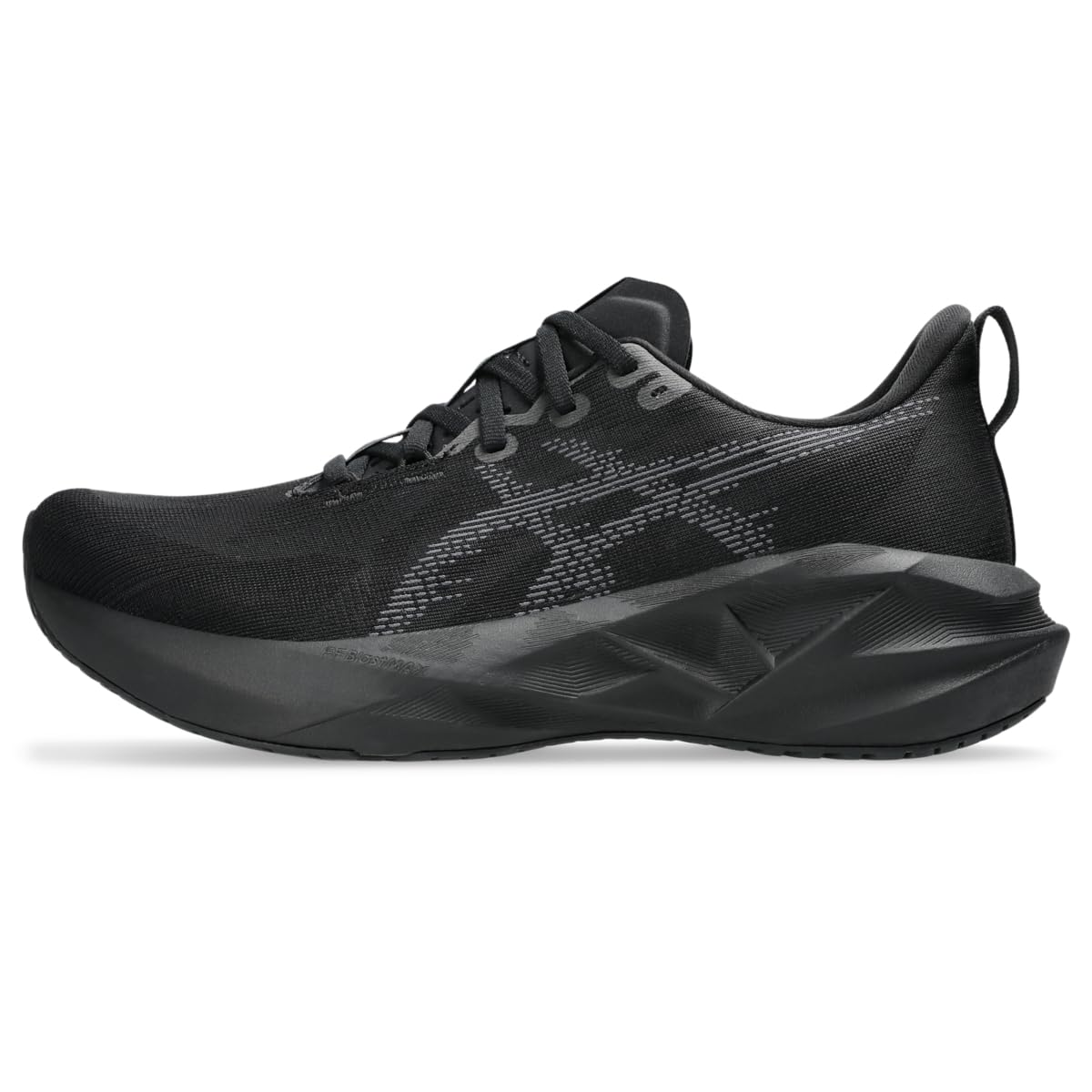
We expected a stiff, fast shoe and got a pillow. The Novablast 5 is the liveliest thing in this guide, soft on landing and springy on toe-off, and at 1.44 pounds listed it is among the lightest shoes here. That is a strange trick to pull off with this much foam underfoot.

The heel strike is where it shines. The foam compresses and comes back, so the jolt that usually runs up a sore fascia gets rounded off instead of passed along. It is bouncy rather than stable, though: the shoe wants to move, and if your foot rolls inward you want the Adrenaline instead.

The toe box is wider than the version before it, which helps if you are fitting an insert, and the upper is comfortable from the first run with no break-in to speak of. It also handles more than easy miles, and it is the one shoe here that feels acceptable when you pick the pace up.

Longevity is where we hesitate. The foam can pack out well before the outsole shows real wear, and on a shoe at this price that stings. If you go through a pair every season anyway, the trade is easy to accept; if you want one shoe to carry a year of training, this is not it.

Bottom line: The fun option: a light, bouncy trainer that softens the heel strike and still feels quick, best for runners whose foam does not have to last a full year.

#5

Under Armour Charged Assert 9

Under Armour Charged Assert 9

Cheap everyday miles

Our Score 9.2/10
Check Price

Worth Noting

  • Firm, thin ride compared with the rest here
Model Number
3024590
Package Weight
3 lb
First Available
April 2020
Read the full review

Order a half size up. That is the fix for the one thing that reliably goes wrong with the Charged Assert 9: it runs small, and a tight fit under a sore arch is the last thing you want. Buy the size you wear with thicker socks and check it indoors before the tags come off.

What you get for the money is a light, breathable trainer that does not feel like a punishment. The arch support is honest if not generous, the upper all but disappears on your foot, and it is the least expensive route into a decent daily shoe in this guide. For short easy miles, or for splitting time between road and gym, that is enough.

The ride is the giveaway. It is firm and thinner under the forefoot than anything else we picked, fine for three or four miles and for standing around, not the shoe for a long Sunday run or a heel that flares on every step. The look is a bonus: clean enough for the office, and comfortable enough that plenty of people never take them off.

Bottom line: The cheapest way in: a light, breathable trainer for short easy miles and gym days, best for a fixed budget and a mild case, as long as you size up.

#6

Brooks Adrenaline GTS 24

Brooks Adrenaline GTS 24

Overpronation

Our Score 9.0/10
Check Price

Worth Noting

  • Firmer ride than any of our cushioned picks
  • Toe box runs narrow for some feet
Model Number
1104371D458
Listed Weight
1.5 lb
First Available
July 2024
Read the full review

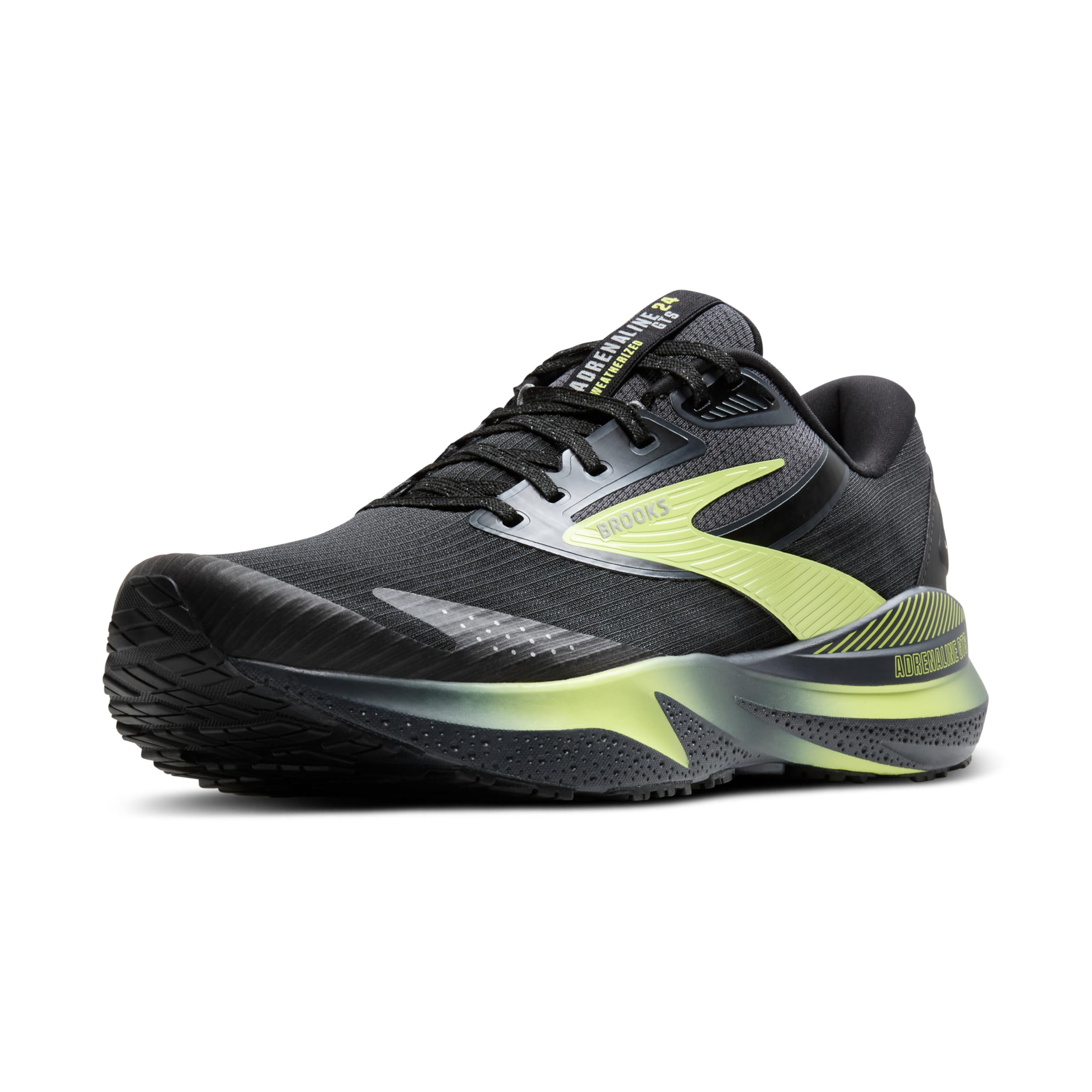
If your arch flattens and your ankle rolls in as you land, the Ghost Max 2 is the wrong kind of help, and this is the shoe we point to instead. The Adrenaline GTS 24 is the stability model in our group, built to check the inward collapse that puts extra stretch through a sore plantar fascia.

What we like is how quiet the correction stays. The ride is more controlled than our cushioned picks, and the arch support is the strongest of the bunch for flat feet and feet that pronate, steadying the whole leg rather than just the heel. If you have been running in neutral shoes and your arch aches by mile three, this is the change that usually settles it. Cloud-chasers should look elsewhere; this shoe has no interest in being soft.

The toe box is the thing to try before you commit. It is generous for some feet and tight across the toes for others, and a snug stability shoe is how blisters start. Try your usual size, and if your forefoot is wide, go straight to the wide version rather than sizing up and swimming in the heel.

Bottom line: A stability shoe for feet that roll inward, with the strongest arch support here, the right call when a neutral trainer leaves your arch aching by mile three.

#7

adidas Ultrarun 5

adidas Ultrarun 5

Short, easy runs

Our Score 9.0/10
Check Price

Worth Noting

  • Gentlest arch support of any pick here
Model Number
34DC094-OFW
Listed Weight
2.13 lb
First Available
June 2024
Read the full review

The Ultrarun 5 is about as simple as a running shoe gets: a breathable mesh upper, a slab of Bounce 2.0 foam, and a grippy outsole. Nothing here is trying to correct your stride, and at 2.13 pounds listed it sits in the middle of the pack on weight rather than at the front of it.

It is comfortable, though. The fit is easy, the mesh vents heat well on warm days, and the shoe feels broken in on the first run instead of after a week. Comfort and build quality are the strongest parts of its case, and the price makes the whole thing feel low-risk.

What it is not is a plantar fasciitis shoe first. The arch support is the gentlest of our picks, so the useful boundary is a mild case and short mileage: errands, the gym, two or three easy miles. If you are training for anything, put the money toward the Gel-Excite 11 instead and keep this one for the days in between.

Bottom line: A light, simple trainer for short runs and everyday wear, best for mild heel pain and a low-mileage week rather than a serious training block.

How We Tested Running Shoes for Plantar Fasciitis

We built the shortlist by pulling every men's running shoe we could find with published arch support and heel cushioning details, then filtering by price, available sizes and widths, and what buyers said in reviews about fit and how long the outsoles lasted. That left 12 pairs, which we tested over six months against the same routine.

Every pair went through it: the walk from bed to bathroom in the first five minutes of the day, an hour standing at the kitchen counter, a mix of treadmill and road miles, and long weekend days on our feet. We rated heel comfort in the first mile and the tenth, and noted whether the arch felt like it was supporting the foot or just pressing into it. Because plenty of people with plantar fasciitis wear inserts, we pulled the stock insoles, tried each shoe with a full-length orthotic, then put the originals back to see whether the heel cup still held.

Fit got its own pass. We tried each shoe in our usual size and a half size up, walked stairs in both, and checked for heel slip, toe box room, and pressure across the top of the foot — that's where the sizing notes in each review come from. For durability, we rotated pairs and inspected outsole tread, stitching, and midsole foam at the 50- and 100-mile marks, pressing a thumb into the heel to see whether the cushioning sprang back or stayed dented. We also compared price against expected mileage, and wore the better-looking pairs with jeans, since a shoe that only works with running shorts is a harder sell.

How to Choose Running Shoes for Plantar Fasciitis

Cushioning Starts Under the Heel

Load through the plantar fascia peaks as your heel takes the ground and again as you push off, which is why foam under the rearfoot changes how an entire day feels. More is not automatically better: past a point a very soft shoe turns unstable, and your foot spends the run correcting instead of relaxing.

Match the depth to the symptom. Pain that is worst getting out of bed and eases as you walk calls for the deepest platform you can tolerate, like the Ghost Max 2 or the Clifton 10. A mild ache that only shows up after long runs is served perfectly well by a moderate shoe such as the Gel-Excite 11.

Arch Support or a Stability Shoe?

Two different jobs get filed under support. Arch support is a shaped midsole that holds up the middle of your foot. A stability shoe adds a firmer inner side and a wider base to slow an inward roll. Most men with plantar fasciitis need the first; runners whose ankles collapse inward need the second, and no amount of softness fixes that.

Check the inner edge of an old pair. If the foam there is crushed while the outer edge looks new, go stability, as with the Adrenaline GTS 24. The trap is buying a stability shoe for a neutral foot: the firmness lands as a lump under the arch and feels worse, not better.

Fit, Toe Box, and Sockliner Room

Sizing decides more than any specification here, and several shoes in this guide run small. Measure your foot at the end of the day when it is at its largest, then leave roughly a thumb's width between your longest toe and the front of the shoe.

Before you size up, try the wide version. A shoe that is long enough but pinched across the ball is a width problem, and going longer only moves the flex point forward under your arch. If you wear an orthotic, pull the sockliner out and try the shoe with the insert in place.

Weight: What Foam Costs You

A deep platform costs weight. The lightest shoes here sit near 1.4 pounds listed and the deepest near two, and you feel the difference in the last mile of a long run. Buy for the running you actually do: long, slow, protective miles justify the extra ounces, while short frequent runs and gym sessions do not.

Whichever you land on, a second pair is worth owning. Foam rebounds between runs, and alternating two shoes keeps both feeling fresher for longer than wearing one pair into the ground.

Frequently Asked Questions

Final Verdict

The Brooks Ghost Max 2 is the shoe we point most men to: the deepest cushioning in this guide, arch support that holds without pressing, and a ride that stays comfortable long after the first mile.

If your ankle rolls inward, switch to the Adrenaline GTS 24 and accept a firmer ride in exchange for control. Wide feet and bulky orthotics belong in the Clifton 10, and a fixed budget is covered by the Gel-Excite 11.