Shoes & Apparel

Best Running Shoes for Men of 2026

A running shoe can feel like a miracle in the store and a punishment by mile three. That gap between a bouncy first step and a comfortable twentieth mile is where most men’s running shoes either earn their keep or get relegated to yard work. The right pair fixes the small, daily annoyances — a heel that slips, a toe box that pinches, foam that goes flat — without asking you to think about your feet at all.

I’ve spent the past six months rotating through 14 pairs, and the differences showed up fast. Some felt featherlight on tempo runs but left my arches aching by dinner; others nailed arch support and fit but ran a half size small, so I tried every pair in my usual size and one size up before long runs. A few looked sharp enough for post-run coffee, but only those with sturdy seams and durable outsoles still felt worth their price after weeks of mileage. Below are the men’s running shoes that got comfort, sizing, and value right.

#1

Brooks Ghost 16

Top Pick
Brooks Ghost 16

Daily road miles

Our Score 9.2/10
Check Price

Worth Noting

  • Outsole rubber wears smooth before the upper does
Ride
Neutral
Model
1104181D002
Widths
Standard to X-wide
Read the full review

Brooks builds the Ghost 16 in widths from standard through extra-wide, and that range is a big part of why it's our default pick. A running shoe only works if it fits, and a roomy toe box paired with a snug midfoot is a hard combination to get right. The Ghost does both: the upper holds the foot without pinching anywhere, and the platform underneath stays neutral, which is what most men running roads actually need.

Underfoot it's steady rather than thrilling, and we mean that as a compliment. The DNA LOFT v3 midsole softens the heel strike without going mushy, and the transition through the midfoot stays smooth whether you're plodding through an easy hour or picking it up for a few minutes. It's the pair we kept lacing up for ordinary runs because it asks nothing of you — no break-in, no adjustment, no rocker trying to do the work for you.

The outsole is the part that ages first. The rubber wears smooth well before the upper shows much, so plan on replacing them when the tread goes rather than when they start looking tired. Fit is the other variable: the standard width suits most feet, but if you've been squeezing into regular shoes, the wide and extra-wide versions are the ones to try.

Between this and the Adrenaline GTS 24, the decision comes down to your gait rather than your budget. Neutral feet, or feet that have never needed a support shoe, take the Ghost. Flat arches and ankles that roll inward take the Adrenaline.

Bottom line: For most men running roads, we think the Ghost 16 is the safest buy here: neutral, roomy through the toes, and cushioned enough for daily miles without feeling dead underfoot.

#2

Hoka Clifton 10

Hoka Clifton 10

Max cushion

Our Score 9.2/10
Check Price

Worth Noting

  • Foam and outsole wear faster than the upper
Model
1162030-FGZ
Widths
Wide and 3X-wide
Cushioning
Plush
Read the full review

The Clifton 10 is the plushest shoe here, and you feel it the moment you stand up in it. The foam compresses under the heel and stays soft right through the stride, which is exactly what you want on recovery days and slow, long miles. The toe box runs a little wider than a standard road shoe, and the rocker shape rolls you forward without feeling like it's steering.

We think that combination is worth paying for if your week is mostly easy running or you're on your feet for a living. What we noticed is that the softness doesn't fade when you push — it stays consistent rather than packing out in the forefoot — but it gives little back. This is a shoe that absorbs rather than bounces. If you want something that feels quick at tempo pace, the Novablast 5 is the better tool.

Plush foam breaks down faster than firm foam, and this one is no exception: the midsole and outsole both age ahead of the upper. If you're logging serious weekly mileage, that's the argument for rotating the Clifton with something firmer instead of making it your only pair.

For standing all day, though, nothing here beats it. The cushioning under the heel is the deepest in this group, and it doesn't collapse the way cheaper soft shoes do after a long shift.

Bottom line: If cushioning is the priority, we point you to the Clifton 10: a plush, forgiving ride for easy miles and long days on your feet, with softer foam that wears out sooner.

#3

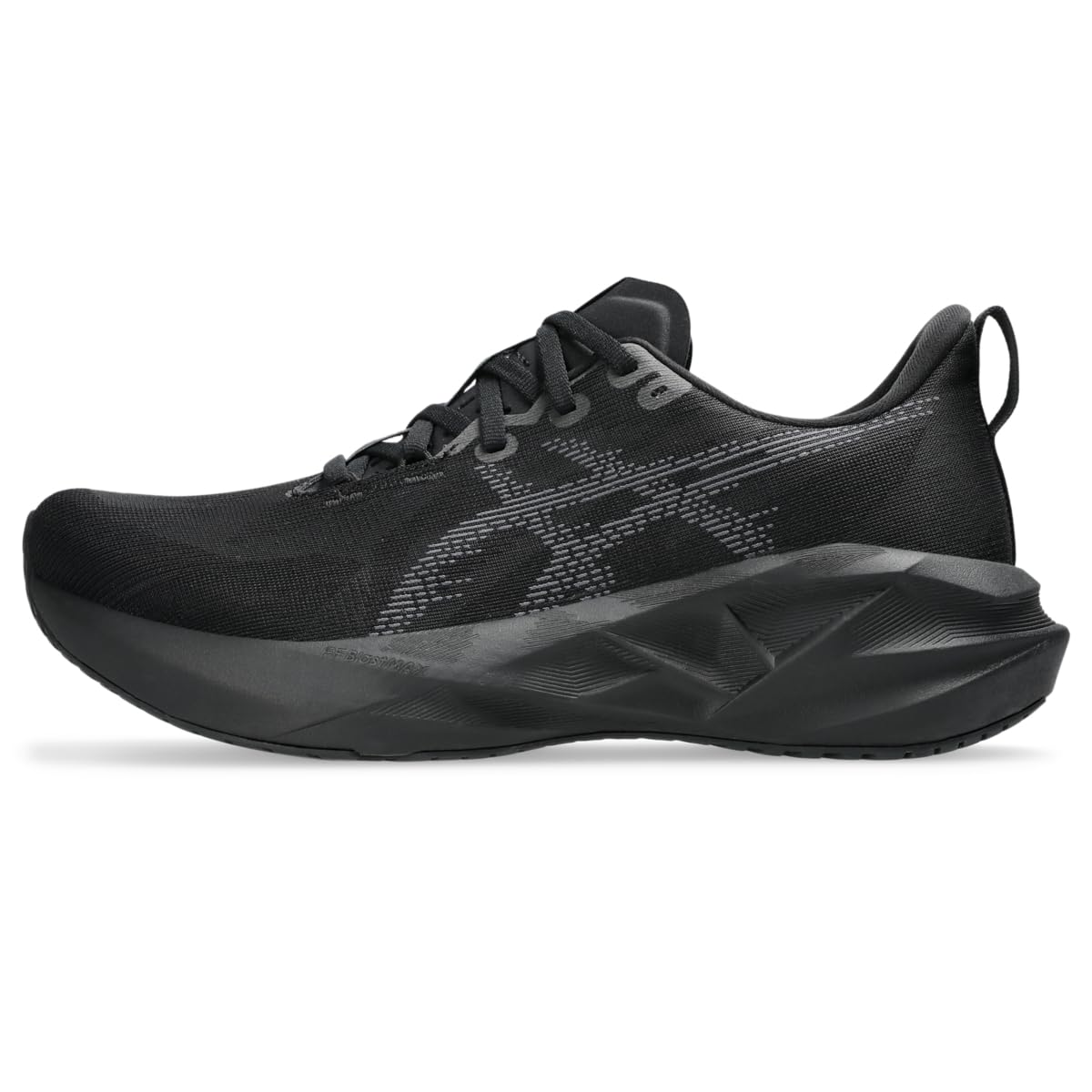
ASICS Novablast 5

ASICS Novablast 5

Tempo runs

Our Score 9.2/10
Check Price

Worth Noting

  • Soft midsole can break down under high mileage
Model
1011B974-403
Toe Box
Wider than previous version
Cushioning
Soft and bouncy
Read the full review

Where the Ghost 16 is calm, the Novablast 5 is lively. The foam has a trampoline quality — soft when you land, springy when you push off — and it's the most energetic ride in this group. It's also light for the amount of cushioning underfoot, which is why it's the pair we reach for when a run is going to include some faster stretches.

We think that makes it the best all-rounder here for someone training across a mix of paces. It handles an easy hour without feeling like too much shoe, and it doesn't go flat when you lift the pace the way a pure max-cushion trainer can. The trade-off shows up at very slow speeds: the bounce wants to move, and on a shuffling recovery day it can feel like more shoe than you need.

The fit is better than earlier versions, with a noticeably wider toe box that should help anyone who found previous Novablasts cramped. Durability is the caveat — the foam is the softest part of the shoe, and midsole breakdown is what to watch if you're stacking up weekly mileage. Rotating it with a firmer trainer is the sensible way to own it.

A small detail we appreciated: the heel collar is cut away from the Achilles rather than hugging it, which matters if that's where you blister.

Bottom line: We recommend the Novablast 5 for men who want one shoe for easy miles and faster work: it's light, genuinely bouncy, and roomier in the toe box than earlier versions.

#4

Under Armour Charged Assert 9

Under Armour Charged Assert 9

New runners

Our Score 9.2/10
Check Price

Worth Noting

  • Runs small, so many buyers need a half size up
Model
3024590
Weight
Lightweight
Widths
Wide option available
Read the full review

The Charged Assert 9 is the least expensive shoe here, and it doesn't feel like a punishment for it. It's light, the mesh upper breathes, and the ride is firmer and more direct than the plush trainers in this group — closer to a gym shoe than a pillow, which suits short runs and anyone who wants to feel the road.

We think that makes it the right first pair, or the second pair you don't mind scuffing. The arch support is more substantial than the price suggests, and the shoe holds its shape through daily wear. It's the one we point new runners to when they aren't ready to commit to a premium daily trainer.

What you give up is depth of cushioning. Long pavement runs leave you wanting more under the forefoot, and there's none of the spring you get from the pricier foams. Buy it for shorter efforts and everyday wear, and it delivers.

The plain upper is also the easiest of these to wear off the run — it reads as a sneaker rather than a piece of running equipment, which is not nothing if the same pair has to work with jeans.

Bottom line: If you're new to running or buying on a tight budget, the Charged Assert 9 is the pair we point to first: light, breathable, and inexpensive enough to replace without wincing.

#5

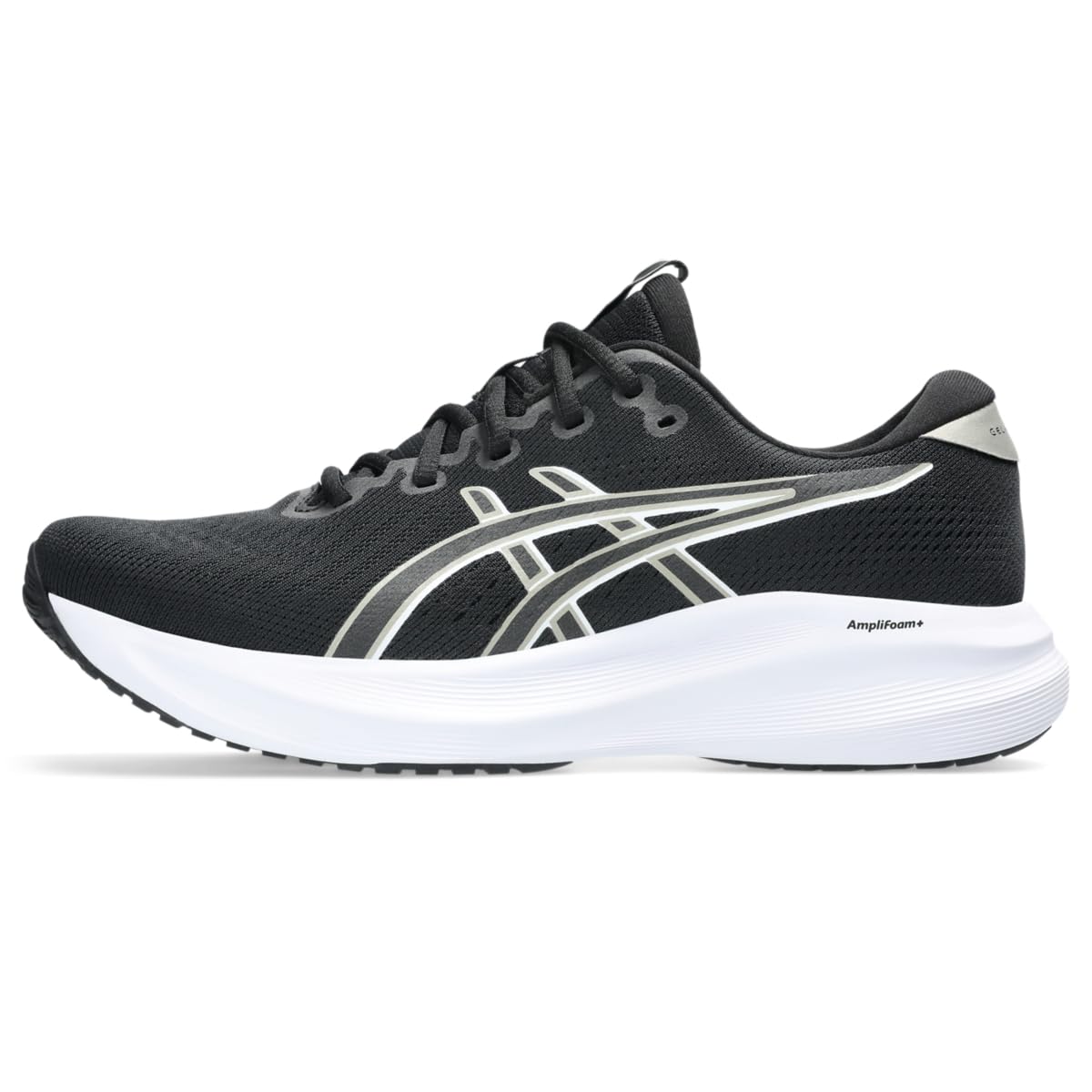
ASICS Gel-Excite 11

ASICS Gel-Excite 11

Everyday training

Our Score 9.2/10
Check Price

Worth Noting

  • Runs small for some feet in the standard width
Model
1011C134-300
Widths
Extra-wide option
Cushioning
Soft
Read the full review

Arch support is the reason this one made the list. The Gel-Excite 11 holds the midfoot firmly enough that flat-footed runners won't feel unsupported, and it does that without the corrective firmness of a stability shoe. It's soft underfoot without being vague — you can still tell where the ground is.

Fit is generous, and the extra-wide version is a real option rather than an afterthought. There's room in the toe box, the upper needs no breaking in, and the padding around the collar is comfortable from the first run. For a shoe in the middle of this group, that combination of comfort and support is hard to find.

We think it's the sensible middle of the set: not as plush as the Clifton 10, not as bouncy as the Novablast 5, but supportive in a way that suits men who want one pair for daily runs and the rest of their day. It's the closest thing here to a no-risk first running shoe if you're coming from cross-trainers.

The upper looks better than its position in the group suggests, too, which makes it an easy pair to keep wearing once the run is over.

Bottom line: We like the Gel-Excite 11 as an everyday trainer for men who want arch support and a soft landing without premium money; it needs almost no break-in.

#6

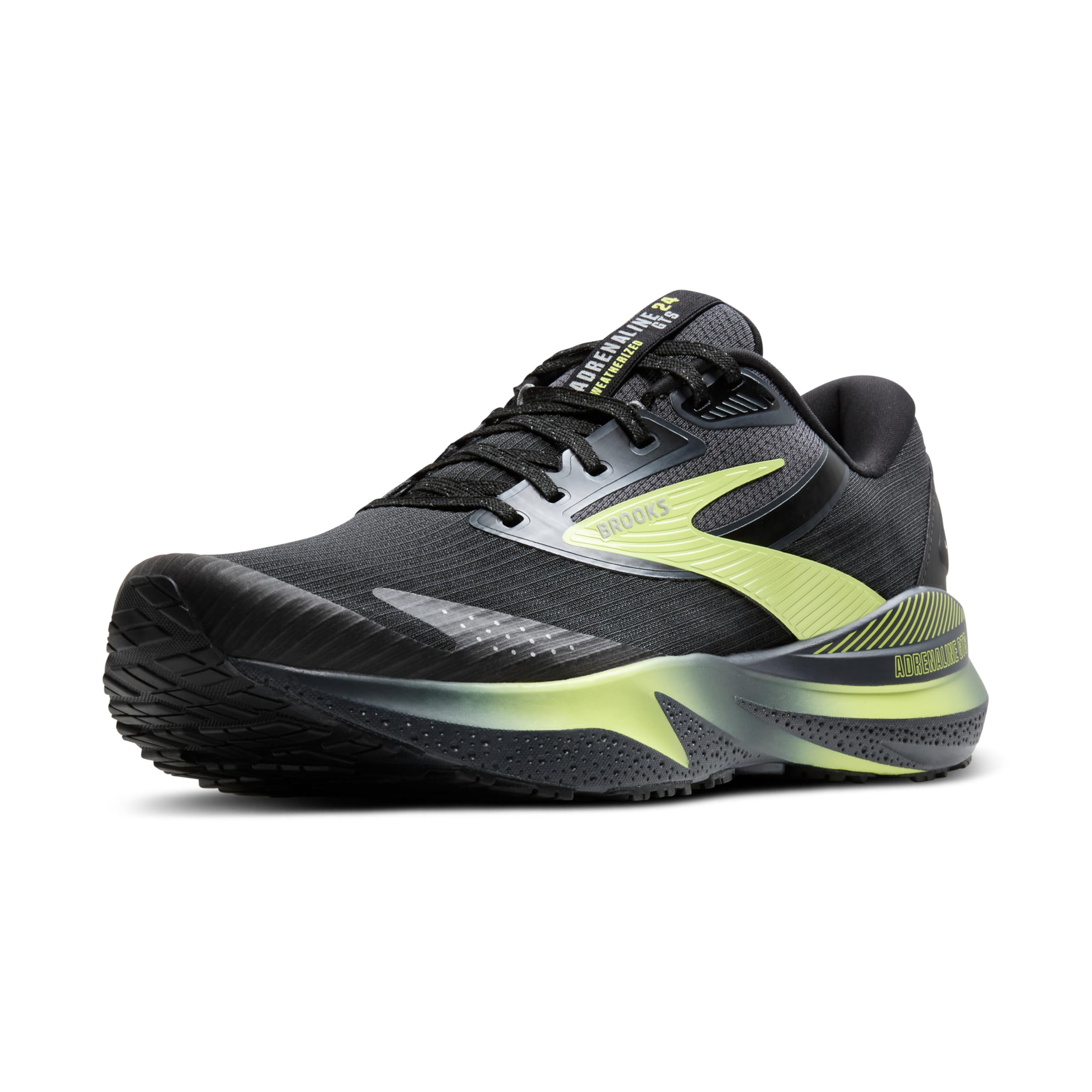
Brooks Adrenaline GTS 24

Brooks Adrenaline GTS 24

Flat feet

Our Score 9.0/10
Check Price

Worth Noting

  • Lining can wear through at the big toe
Ride
Stability
Model
1104371D458
Cushioning
Balanced
Read the full review

If your arches are flat or your ankles collapse inward on every stride, this is the pair in the group built for you. The Adrenaline GTS 24 puts structure under the midfoot and heel, and it holds the foot steady without the wedge-of-plastic feel that made old stability shoes so unpleasant to run in.

The cushioning is deliberately middle-of-the-road — soft enough at the heel, firm enough through the forefoot that you can still feel the ground. There's room in the toe box for wider feet. The fit is the one thing to sort out before you buy: this generation runs about a half size smaller than the last, so go up if you're between sizes.

We think it earns its place for the specific runner it serves rather than as a generalist. On easy runs it feels calm and planted, and the support is most obvious late in a run, when your form starts to slip and the shoe keeps the ankle from rolling. It isn't light and it isn't bouncy, and it isn't trying to be.

One thing that surprised us: it walks as well as it runs. If you want a single pair for the morning run and the rest of the day, it handles both.

Bottom line: For flat feet and ankles that roll inward, we recommend the Adrenaline GTS 24: real stability under the arch without the harsh, brick-like ride support shoes used to have.

How We Tested Men’s Running Shoes

We started with a shortlist of men’s running shoes recommended by our staff runners and cross-checked against return policies, available widths, and whether the shoe came in true-to-size options. Then we narrowed it to 14 pairs and ran in them for six months, rotating them through weekday morning 5Ks, treadmill intervals, and weekend long runs on asphalt and a cinder path. We also wore them for errands after a run, because a shoe that looks and feels right for an hour can still rub by lunch.

Fit and sizing got checked before the first mile: I laced each pair in my usual size, walked around, then tried a half size up when the toe box felt tight or the heel slipped. On the run, I paid attention to arch pressure, toe splay, and whether the upper pinched across the instep. Comfort was judged by hot spots and blisters after long runs, not by how soft the shoe felt in hand. We weighed every pair and noted when a lighter shoe felt unstable late in a run, and when a more supportive shoe started to drag.

Quality showed up in small ways: seams that stayed flat, laces that didn’t fray, and outsoles that held their tread after repeated wet-road runs. We compared appearance after cleaning, since light uppers can look beaten up quickly, and factored value by how many miles a pair delivered before the cushioning felt flat. The shoes that made the list were the ones that needed no break-in, matched their stated size, and still felt supportive when we were tired.

How to Choose Running Shoes for Men

Start With the Runs You Actually Do

Most weekly mileage is easy mileage, so a neutral daily trainer is the sensible default: it handles conversational pace, doesn't beat up your legs, and lasts. A max-cushion shoe like the Hoka Clifton 10 makes sense if your runs are slow and long or you stand all day; a livelier shoe like the ASICS Novablast 5 earns its place once you mix in tempo work.

The common mistake is buying for the runner you plan to become. If you run a handful of easy miles a week, buy a shoe that makes those comfortable rather than a race-day shoe that punishes them.

Fit First: Sizing and Widths

You want roughly a thumb's width between your longest toe and the end of the shoe, a locked-in heel, and no pressure across the top of the foot. Feet swell during a run, so shop late in the day and try shoes on with the socks you run in.

Sizing is not consistent between models — the Brooks Adrenaline GTS 24 runs about a half size small against its predecessor, while the Ghost 16 fits true for most feet. If you're between sizes, go up. A roomy toe box is far cheaper than a black toenail, and a wide or extra-wide version is a better fix than sizing up twice.

Neutral or Stability?

Stability shoes add structure to stop the ankle rolling inward. You need one if your arches are flat and your old shoes wear down on the inner edge of the sole; you don't need one simply because you're new or carrying extra weight. Neutral shoes suit most runners, and a supportive neutral design like the Ghost 16 handles mild flat feet comfortably.

If you do want support, the Adrenaline GTS 24 is the clear choice here — it stabilizes the foot without the hard, corrective feel that kept people out of stability shoes for years.

What Spending More Actually Buys

Cheaper shoes aren't worse shoes, they're simpler ones: less foam, a plainer upper, and a shorter useful life. Above the budget tier you're paying for a midsole that keeps its shape through a training block, an upper that doesn't rub once you're sweaty, and weight saved where it matters.

The ASICS Gel-Excite 11 sits in the middle and delivers most of the comfort of the premium pairs. The Clifton 10 and Novablast 5 add foam quality you can feel on longer runs — and, in the Clifton's case, a shorter lifespan that comes with all that softness.

Frequently Asked Questions

Final Verdict

For most men running roads, the Brooks Ghost 16 is the pair to buy: neutral, roomy through the toes, available in widths that actually fit, and cushioned for the miles most of us run. Spend more only when you know what you're buying — the Hoka Clifton 10 if you want maximum softness for easy days, the ASICS Novablast 5 if your week includes regular faster work.

And if your arches are flat or your ankles roll in, go straight to the Brooks Adrenaline GTS 24. It's the only stability shoe here, and it's the one that proves support doesn't have to feel like punishment.