Shoes & Apparel

Best Trail Running Shoes for Muddy Trails of 2026

Mud is the fun part of trail running right up until your heel slides off a wet root and you land on your hip. A good muddy-trail shoe bites into soft ground, sheds the clay it picks up instead of turning into a slick brick, and drains fast enough that one creek crossing doesn't mean squelching for the next six miles. Lug depth is the spec most people ignore and the one that shapes the ride: aggressive tread grips muck but feels clumsy on hardpack, so every pair is a compromise.

I've run muddy singletrack all spring, and my team and I put 12 pairs through it over the past six months. Fit mattered as much as tread — a few ran a half size off, and a shoe that's too long lets your foot slide forward on descents, which is how toenails go missing. I also noted how each pair felt in hour three and how much rubber was left after a couple hundred miles. Below are the ones I'd lace up again on a wet morning.

#1

Brooks Cascadia 19

Top Pick
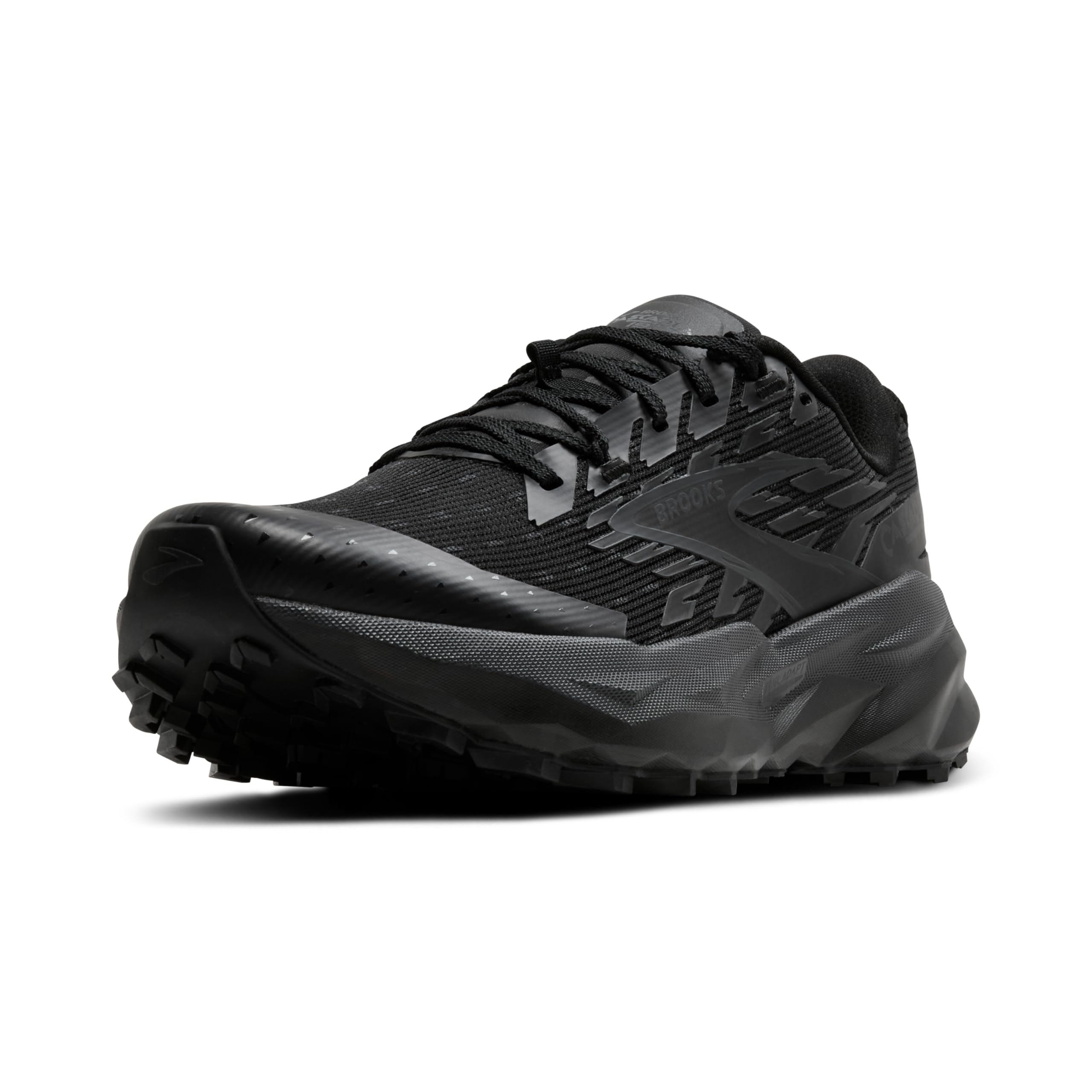
Brooks Cascadia 19

Technical wet ground

Our Score 9.0/10
Check Price

Worth Noting

  • Outsole and heel lining wear early
Outsole
Grippy lugged tread
Toe Box
Wide and roomy
Cushioning
Balanced cushion and stability
Read the full review

Wet roots and greasy rock are where the Cascadia 19 made its case to us. The tread is the most convincing part of the shoe: it bites and holds on slick surfaces where a smoother sole slides, and the wide platform underneath keeps the foot from rolling when the trail tilts. On a loose, wet descent we were happy to let it run.

The support that comes with that grip surprised us. The midsole is cushioned without turning vague, and there's a firm feel under the arch that gives you something to push against on rough ground. The toe box is genuinely roomy, so toes spread on descents instead of jamming into the front of the shoe.

What it doesn't do is keep water out. There's no membrane, so standing water goes straight through, and the flip side is a shoe that stays breathable when the sun comes back. The grip is the reason to buy it, and at a midrange price it's the better value of the two front-runners for rocky, technical ground; if your trails are wet for months at a time, the lined Salomon is the more comfortable companion.

Bottom line: We point anyone who wants maximum bite on slick rock and wet roots to the Cascadia; just plan on wet feet once the water is over the sole.

#2

Altra Lone Peak 8

Altra Lone Peak 8

Wide feet

Our Score 9.0/10
Check Price

Worth Noting

  • Sole wears faster than the upper
  • Roomy fit trades precision on technical ground
Use
Trail, hiking, all-day wear
Toe Box
Wide and roomy
Heel-to-toe Drop
Low
Read the full review

The Lone Peak 8 has the roomiest forefoot in this group, and for a certain kind of runner that settles the whole question. Toes spread, the low heel drop puts your foot closer to flat ground, and nothing pinches on a long descent. We keep handing it to people whose first question about any shoe is whether it will cramp their toes.

The rest of the shoe holds up its end. Traction is reliable on slippery terrain and pavement alike, the cushioning is enough for long days without turning vague, and the shoe is as happy on a hike or an all-day shift as it is on a run.

Where it sits in the range matters too: it's mid-priced, under the Salomon and over the budget shoes, and it's the pair here that works as well on a hike as on a run, which is rarer than it sounds. Buy it for the shape of your foot first and the grip second.

Bottom line: Buy the Lone Peak 8 if every other trail shoe pinches your toes; the roomiest forefoot here comes with reliable grip and a low, natural ride.

#3

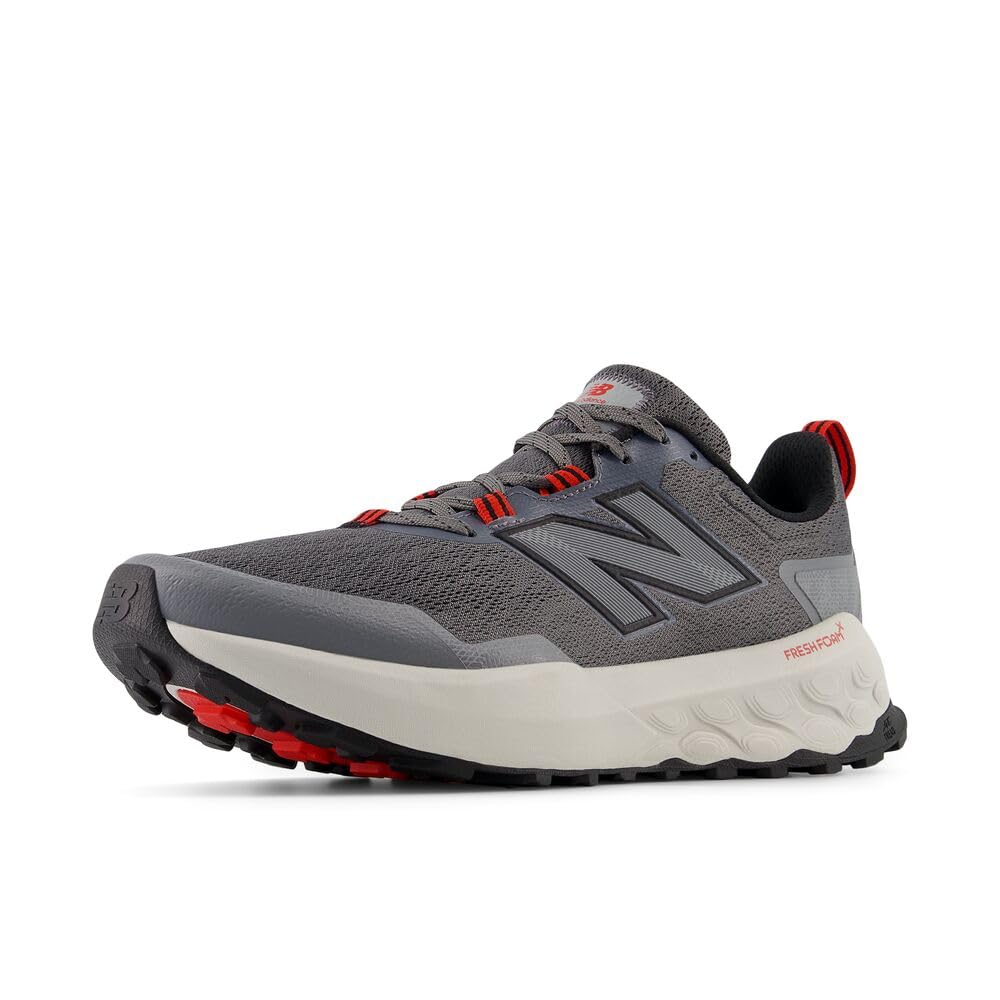
New Balance Fresh Foam X Garoé V2

New Balance Fresh Foam X Garoé V2

Light trail days

Our Score 9.0/10
Check Price

Worth Noting

  • Soft sole lets sharp rocks through
  • Upper runs narrow
Weight
Very light
Cushioning
Soft and bouncy
Arch Support
Supportive
Read the full review

Light, inexpensive, and slightly undermined by its lacing: the Garoé V2 gets most things right and one small thing wrong. The loops the laces thread through are the weak point, and they're worth a tug before a long run — a broken loop turns a lace-up shoe into a slip-on, which is the one part we want fixed.

Everything above the outsole is comfortable. The shoe is very light, the cushioning is soft and bouncy, and the arch support gives you something to stand on during a long day on your feet. For wet grass, gravel paths, and muddy fields, that's a combination we like a lot.

Our read: it's the best value here for light trail days, where you want cushioning and don't need a rock plate under you. The weight is the real argument — nothing else in this group feels as light on the foot, and that's worth more on a wet, tiring day than an extra lug.

Bottom line: The Garoé V2 is our choice for light, wet trail days when you want cushioning and low weight more than a rock plate or a deep lug.

#4

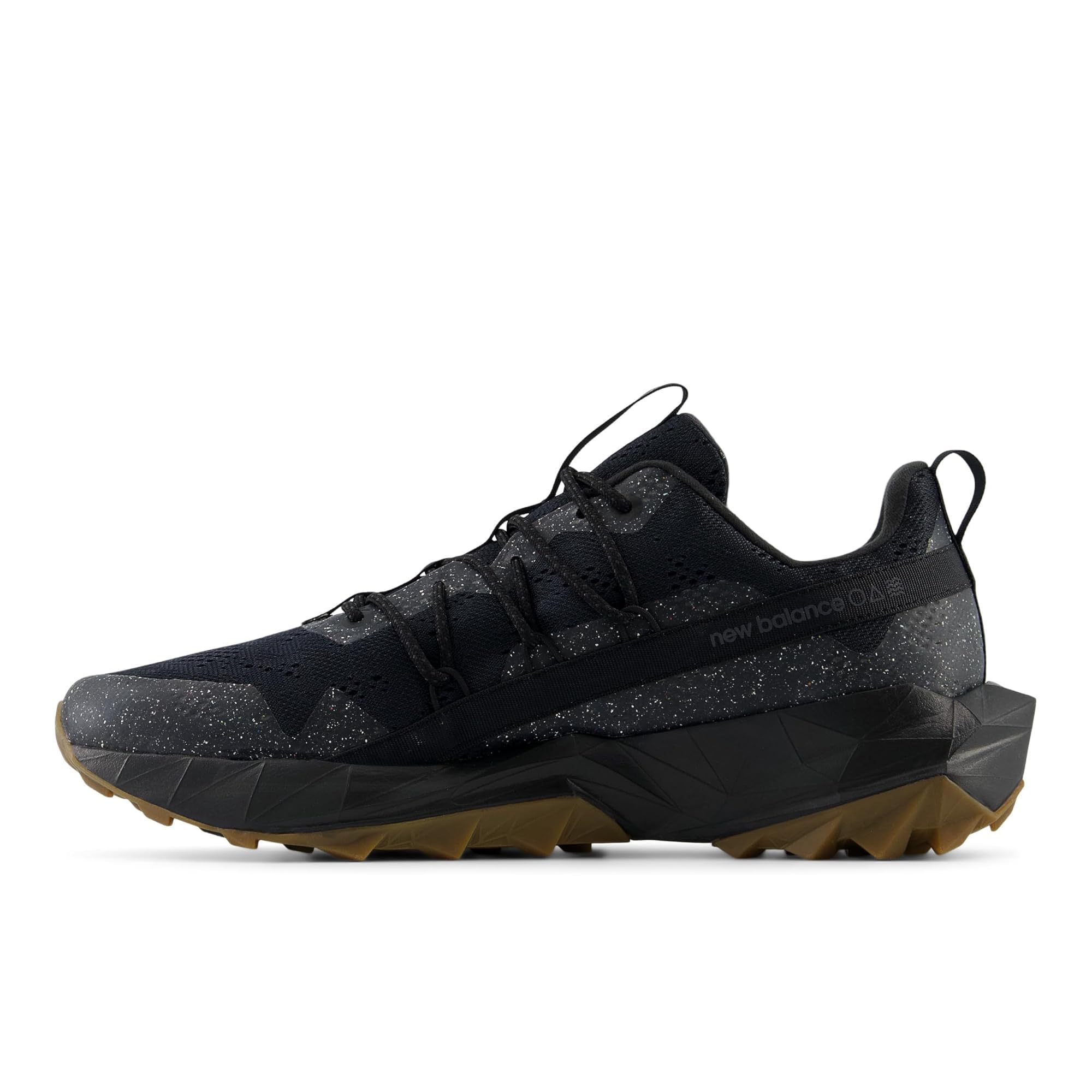
Salomon XA PRO 3D Gore-Tex

Salomon XA PRO 3D Gore-Tex

Wet, muddy trails

Our Score 8.8/10
Check Price

Worth Noting

  • Sole bonding is the durability weak point
  • Highest price in this group
Lacing
Quick-pull cord
Arch Support
Supportive, cushioned
Waterproofing
Gore-Tex membrane
Read the full review

A Gore-Tex membrane and a sole full of pronounced lugs are the two things the XA PRO 3D leads with, and on a trail that has turned to soup those are the two things that matter. The membrane keeps splashed mud and standing water off your foot; the lugs dig into soft ground instead of skating over the top of it. Of everything we ran for this guide, this is the pair that left us with the least to think about: no wet socks, no sideways slide, no stopping to retie.

The lockdown is the quieter reason it comes out ahead. The pull-cord lacing tensions the whole upper in a single pull, and the midfoot wraps closely enough that the shoe doesn't twist when a heel lands on a root. We tightened the cord mid-climb more than once without breaking stride, which is the sort of thing you only appreciate once the alternative involves stopping in the rain.

Waterproofing cuts both ways, so it's worth being clear about which way it cuts. A lining that keeps water out also keeps it in once you step past the collar in deep mud or a stream crossing, and a lined shoe dries more slowly than mesh. If your mud is splash and puddle rather than shin-deep, that's the right trade; if you ford water regularly, it isn't.

What you pay for all of this is the top of the range in this group, and price is the one place the shoe has to argue its case: waterproofing plus lugs plus a fit that holds is a lot of what a wet-weather runner needs, but it is more shoe than a dry-climate runner will ever use. Where else it earns its keep is off the trail — muddy sidelines, soaked fields, winter dog walks.

Bottom line: If your trails turn to soup for half the year, this is the pair to buy: a waterproof Gore-Tex upper, a lugged sole, and lacing that keeps the midfoot locked.

#5

New Balance Dynasoft Tektrel V1

New Balance Dynasoft Tektrel V1

Mixed wet terrain

Our Score 8.8/10
Check Price

Worth Noting

  • Narrow through the forefoot
  • Durability is inconsistent
Fit
Narrow through the forefoot
Grip
Wet rock, mud, and grass
Cushioning
Supportive, not overly soft
Read the full review

The Tektrel V1 sits at the affordable end of this group without feeling like a compromise on rough ground. The grip handles wet rock, mud, grass, and broken road, and the cushioning is supportive rather than squishy, which keeps you in touch with what's underfoot when the ground goes soft.

The suede overlays are what make it look like a town shoe, and they hold the shape of the upper nicely. They also take on water, so this isn't the pair for a downpour or a stream crossing — mesh is the better friend of a soaking wet day, and you should treat this one as a damp-day shoe rather than a wet-weather tool.

What we keep coming back to is the combination: real grip, decent support, and a price below the premium picks, in a shoe that doesn't look like a piece of equipment. It's also the one here that looks as good with jeans as with running kit, which is more useful than it sounds when your run ends at a coffee shop.

Bottom line: A trail shoe that grips wet rock and mud for less than the premium picks, provided your foot is on the narrow side.

#6

Saucony Versafoam Excursion TR13

Saucony Versafoam Excursion TR13

Budget trail miles

Our Score 8.8/10
Check Price

Worth Noting

  • Mesh upper tears at flex points
Weight
Lightweight
Toe Box
Roomy
Cushioning
Soft underfoot
Read the full review

The Excursion TR13 sits at the everyday end of this group: a light mesh trainer with a tread pattern rather than a specialist mud shoe. It's comfortable from the first mile and it's among the least expensive shoes here, which is why it stays in the guide as a first trail shoe rather than a wet-weather tool.

Comfort is where we think it earns its keep. The fit is roomy without being sloppy, the mesh breathes, and the cushioning is soft enough for a long day on your feet. It works as a walking shoe as happily as a running one, which tells you what kind of ride it is.

Wet feet are part of the deal — the mesh soaks through quickly, and to its credit it dries fast, which counts for something on a drizzly morning. On packed dirt, grass, and the muddy strip at the edge of a gravel path, it handles everything a newer runner asks of it.

What it isn't is a shoe for deep, churned mud or steep, slick ground, and that's where the extra money for the Cascadia or the Salomon buys something real. For a first season, a tight budget, or a pair that doubles as a knockaround shoe, it's an easy recommendation.

Bottom line: A comfortable, light first trail shoe for packed dirt, grass, and pavement — the least specialized pick here, and priced accordingly.

#7

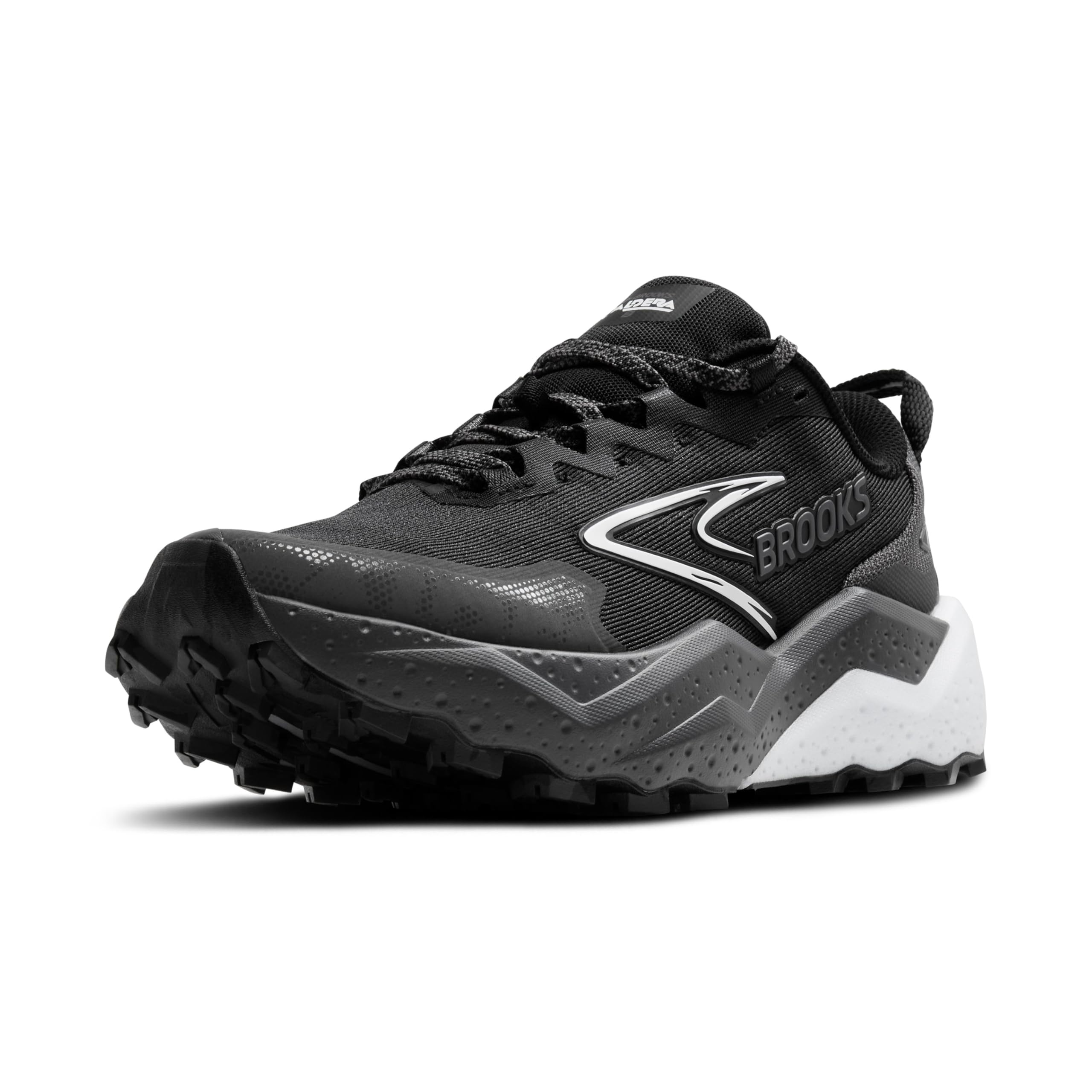
Brooks Caldera 8

Brooks Caldera 8

Women's long runs

Our Score 8.6/10
Check Price

Worth Noting

  • Cushioning is soft, not springy
Grip
Trail and slick surfaces
Weight
Light
Cushioning
Soft and protective
Read the full review

For women logging long, slow miles on soft ground, the Caldera 8 is the forgiving option. The ride is soft and protective, the fit stays comfortable over hours rather than needing a break-in, and there's enough grip for slick trail, wet rock, and the icy patches that show up at the edges of a winter run.

We came away thinking of it as the comfort pick of this group rather than the fast one, and that's the right way to buy it: aching knees and heels after a long day on hard ground are what this shoe is for. The cushioning is soft rather than springy, so if you want rebound, look at the Cascadia instead. Where it wins outright is looks — the color options are the most appealing here, and that counts for something on a shoe you'll wear to the trailhead and back.

Bottom line: For women putting in long, slow miles on soft ground, the Caldera 8 is the forgiving pick: soft cushioning, sure grip, and a fit that needs no break-in.

#8

WHITIN Minimalist Trail Runner W30

WHITIN Minimalist Trail Runner W30

Minimalist newcomers

Our Score 8.6/10
Check Price

Worth Noting

  • Toes wear through the upper early
  • Sizing runs inconsistently
Sole
Flexible, close to ground
Toe Box
Wide
Heel-to-toe Drop
Zero
Read the full review

The cheapest shoe in this guide is also the one that asks the most of your feet: a flat, flexible sole, a wide toe box, and very little between you and the ground. That's either the point or the problem, depending on what your feet are used to.

On wet roots and slick mud the tread holds better than the price suggests, and the shoe is light enough that you notice the ground rather than the shoe. The toe box is the roomiest here alongside the Lone Peak, and the whole thing costs less than any other pair in this guide.

Zero drop asks something of your calves and Achilles. Build up slowly over a few weeks, keep your old shoes in rotation for long days, and don't make a deep, wet trail run your first outing in these.

Our read: it's the cheapest way to find out whether minimal running suits you on real trails, and a decent short-run shoe once you're adapted. It isn't what we point a first-time trail runner to — the Salomon and the Cascadia are safer in every sense — but as an experiment it's hard to argue with.

Bottom line: The cheapest way to find out whether minimal, zero-drop running suits you on muddy trails, with wet grip that embarrasses the price.

How We Tested Trail Shoes for Mud Season

We built the shortlist by reading through customer reviews and current trail lineups from brands we've run in for years, then filtering by lug depth, upper construction, stack height, and price so the field covered real cushioning ranges instead of eight variations on the same shoe. That left 12 pairs, which I ran from late winter into early summer — six months that spanned mud season, two soaked race weekends, and plenty of ordinary weekday mornings.

Most of it happened on the same three-mile loop of rooty singletrack, run after rain when the clay was at its worst, with steeper days mixed in for a long muddy climb and wet rock slabs. On that climb I noted where each shoe slipped and where it held, and after every creek crossing I checked how long the shoe took to stop feeling waterlogged. I ran the first mile of each pair in thin socks and the long runs in thick ones, watching for heel lift, toe bang on descents, and pressure across the toes. Comfort got judged on blisters, hot spots, and whether anything needed breaking in.

Durability came last but counted heavily: I logged mileage on every pair, then checked lug wear at the heel and forefoot, fraying at the upper, scuffed toe caps, and whether the midsole had packed out flat. After muddy runs I let the shoes dry and looked at how much staining the upper kept and how well it brushed clean. At the end I weighed what each pair cost against how it looked and felt after all those miles — the ones that held their shape and still cleaned up were the easiest recommendations.

How to Choose Trail Running Shoes for Muddy Trails

Start With the Tread, Not the Cushioning

Deep, widely spaced lugs shed mud as you run; shallow, tightly packed ones load up and turn slick within a few strides. The trade shows on hard ground, where deep lugs feel vague and wear faster. If your trails mix rock and mud, favor moderate depth with open spacing over the most aggressive pattern on the shelf. The Cascadia 19 is the clearest grip-first shoe here: the tread holds on slick rock and wet roots instead of skating over them, which is the behavior to look for when you press a thumbnail into a lug in the shop.

Decide Whether Waterproofing Helps or Hurts

A membrane keeps splashed mud and shallow puddles away from your foot, which is most of what a wet winter trail throws at you. It also holds water in once it comes over the collar in deep mud or a stream, and a lined shoe dries more slowly than mesh. Buy waterproof, as in the Salomon, when your runs are splashy and cold; buy breathable mesh when you routinely cross water above the ankle. Neither is better — they solve different kinds of wet.

Fit and Lockdown Come Before Cushioning

Mud shifts under your foot, so a shoe that holds the heel and midfoot matters more than a few extra millimeters of foam. Look for a heel counter that grips without pressing and lacing that tensions the midfoot rather than just the instep. Wide feet and sore toes need forefoot room — the Lone Peak 8 is the roomiest here — but too much room on a cambered, rooty descent feels sloppy. Try shoes on late in the day, in the socks you actually run in.

Match Cushioning to the Distance, Not the Mud

Mud slows every stride, so the shoe that feels efficient on a short technical loop is often wrong for a three-hour wet effort. More cushioning buys protection when the ground is frozen, rocky, or rutted; less keeps you in touch with where the edge is. The Caldera 8 sits at the soft end of this group, the Cascadia in the balanced middle, and the Lone Peak at the lower, more grounded end.

Expect Wear, and Know Where It Shows

Wet grit is abrasive and uppers stay damp for hours, so muddy-trail shoes age faster than road shoes. Watch the bond line between sole and upper, the inside of the heel collar, and the toe bumper; those are the places these shoes fail first. Once the forefoot lugs are rounded flat, wet-ground grip is gone no matter how good the upper still looks, and that is the point to retire the pair.

Frequently Asked Questions

Final Verdict

Buy the Salomon XA PRO 3D Gore-Tex if your trails are wet more often than not. The waterproof upper and lugged sole are matched to splashy, churned ground, and the pull-cord lacing locks the midfoot in one motion, which is what keeps you upright when the ground stops cooperating.

If your mud is occasional and the ground underneath is rocky, the Cascadia 19 gives you the surest grip in this group for less money. And if your feet are wide enough that most trail shoes cramp your toes, the Lone Peak 8 solves a fit problem nothing else here does.