Shoes & Apparel

Best Running Shoes for Women of 2026

The pair that feels fine in the store aisle has a way of turning on you around mile four, when the heel starts slipping and the toes go numb. I've retired shoes by the third week that I loved on the first run, and the ones that stuck around had less to do with price than with whether the shoe actually matched my foot. A good running shoe makes the miles feel shorter; a bad one gives you a reason to skip the run. That's what this list is for.

Over six months, my team and I put 14 pairs through pavement, treadmill, and a couple of rutted park loops, wearing them for long runs and quick errands alike. One thing first-time buyers get wrong: your running shoe is often a half size bigger than your walking shoe, because feet swell on the run. We paid attention to that, plus how each pair looked with jeans and leggings, since most of these do double duty. The picks below hold up on both counts.

#1

Brooks Glycerin 22

Top Pick
Brooks Glycerin 22

Daily road miles

Our Score 9.0/10
Check Price

Worth Noting

  • Not built for overpronation
Model
120434
Support
Neutral
Terrain
Road
Listed Weight
1.5 lb
Read the full review

The Brooks Glycerin 22 is the neutral trainer we reach for when we don't want to think about the run. It has the deep, soft cushioning that makes easy road miles and long days on your feet feel less punishing, but it doesn't roll around underfoot like a pure marshmallow. The listed weight is 1.5 pounds, so it isn't a race-day feather; the comfort is what earns the extra substance.

What separates it from the other cushioned shoes here is the balance. The arch support feels more substantial than the plush exterior suggests, and the ride stays steady when you pick up the pace from a jog to a steady run. We also like that it works as a walking shoe, which matters if your running week includes errands and standing shifts. That combination is why it's our top pick for most women.

The fit is the one thing to sort out before ordering. If you have a wide forefoot, choose the wide width; if you're between sizes, go up half a size. For everyone else, it's the default we keep coming back to.

Bottom line: For the majority of women logging daily road miles, the Glycerin 22 is the neutral trainer we recommend first: plush, supportive, and easy to live in.
#2

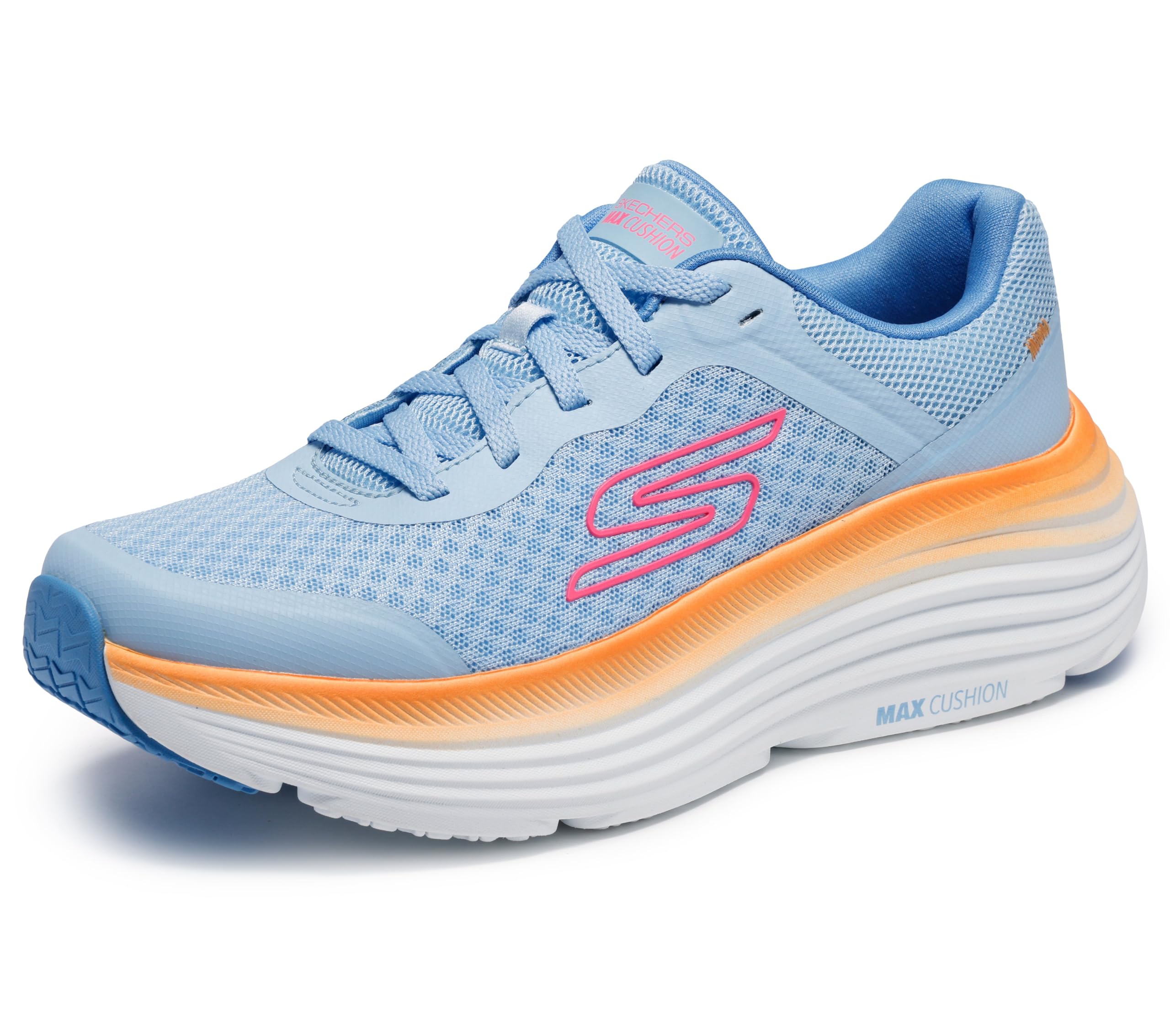
Skechers Max Cushioning Endeavour

Skechers Max Cushioning Endeavour

Wide-foot comfort

Our Score 9.0/10
Check Price

Worth Noting

  • Outsole wears through quickly
Model
129470
Terrain
Road
Cushioning
Max cushioning
Listed Weight
1.5 lb
Read the full review

The Max Cushioning Endeavour is the shoe we point to when someone says, 'I need room.' The fit is genuinely wide through the forefoot, with a soft upper that doesn't press on the toes. It's also one of the softest shoes in this group, which makes it a natural for long walks, standing shifts, and easy recovery runs.

The cushioning is the draw, but the comfort is more than just squish. The arch support is supportive enough for all-day wear, and the shoe is easy to put on and go. We like it for casual wear and low-key runs; it doesn't feel like a performance trainer when you pick up the pace, but that's not what it's for.

The fit is the other thing to know: this is a wide shoe, and the upper can feel roomy around the top of the foot. If you have narrow feet, it isn't the one. If you have wide feet, that roominess is the point, and it makes the shoe easy to wear for hours. That's why we recommend it for wide-footed runners who want comfort over speed.

Bottom line: For wide-footed runners who want a soft, roomy shoe for easy miles and long days, we point to the Max Cushioning Endeavour.

#3

Under Armour Charged Assert 9

Under Armour Charged Assert 9

Everyday run/walk

Our Score 9.0/10
Check Price

Worth Noting

  • Cushioning feels thin for long miles
  • Seams and outsole can wear early
Model
3023866
Terrain
Road
Listed Weight
1.48 lb
Read the full review

The Charged Assert 9 is the shoe we suggest when the budget is tight and the run is short. It's a firm, straightforward road trainer that works for gym sessions, errands, and easy jogs. It also doesn't feel like a disposable shoe, which is not a given at this end of the price range.

The upper is comfortable enough for all-day wear, and the arch support is adequate for walking and light running. We like it as a knockaround pair that can handle a jog. It's a simple shoe, and simple is fine when the goal is to get out the door.

The sizing is the part to watch. The shoe runs small for some runners, and the toe box can feel narrow, so check the fit before you commit. If you're between sizes, go up half a size.

For a low-cost second pair or a first running shoe for someone testing the habit, the Charged Assert 9 is a sensible choice. It won't replace a cushioned daily trainer for long miles, but it handles short road runs and gym days without fuss. That's the role we recommend it for.

Bottom line: If the budget is tight and the run is short, we suggest the Charged Assert 9 as an everyday shoe, though it is not the plush option here.

#4

ASICS Gel-Nimbus 27

ASICS Gel-Nimbus 27

Long cushioned runs

Our Score 8.8/10
Check Price

Worth Noting

  • Upper and heel can wear early
Model
1012B913.500
Terrain
Road
Cushioning
Gel
Listed Weight
1.44 lb
Read the full review

The Gel-Nimbus 27 is what we reach for when the run is long and the road is unforgiving. The gel cushioning is genuinely soft, the kind that takes the edge off concrete without turning the shoe into a wobbly platform. At a listed 1.44 pounds, it stays manageable for a max-cushion shoe, and that combination is why it's our long-run pick.

The arch support is the pleasant surprise. Soft shoes sometimes let the foot roll inward, but this one has a supportive base that keeps the stride from feeling sloppy. We also like it for standing and walking, which makes it a useful travel shoe if you're packing one pair. It isn't the most agile shoe here, but long easy miles are the point.

Fit is the catch. The Nimbus runs roomy for some runners and true to size for others, so try your usual size first and only size down if you like a close fit. The shoe is easy to live with for long days, as long as the fit is right. If you want a firmer, more ground-connected ride, the Glycerin is the better balance; if you want a plusher road ride, this is the one we point to.

Bottom line: The Gel-Nimbus 27 is the pair we choose when a long road run needs more softness underfoot, as long as you check the roomy fit before you commit.

#5

Brooks Adrenaline GTS 24

Brooks Adrenaline GTS 24

Stability and support

Our Score 8.8/10
Check Price

Worth Noting

  • Firmer underfoot than plush trainers
  • Outsole can wear before upper
Model
120427-044
Support
Supportive
Terrain
Road
Listed Weight
1.5 lb
Read the full review

The Adrenaline GTS 24 is for the runner who feels the road through her arch and wants the shoe to do a little steadying. It's the stability pick in this group, with noticeably more support under the midfoot than the neutral trainers. The support doesn't come with the brick-like feel that puts some runners off stability shoes; the ride still flexes and feels lively enough for daily miles.

We like the fit through the heel and midfoot, which holds the foot without clamping. The arch support is the standout: it's substantial enough for flat feet and long shifts on hard floors, and it gives the shoe a composed feel when you're tired. That steady, supportive ride is why we recommend it for runners who want a little more control.

Sizing is the practical catch. The Adrenaline runs small for many runners, and the toe box can feel crowded, so start half a size up from your usual running shoe. Sizing takes a little planning, but it doesn't change the recommendation for the right runner: if you want support, this is the one we point to.

Bottom line: For runners who want steadier support without a harsh ride, we recommend the Adrenaline GTS 24; just plan to go up half a size.

#6

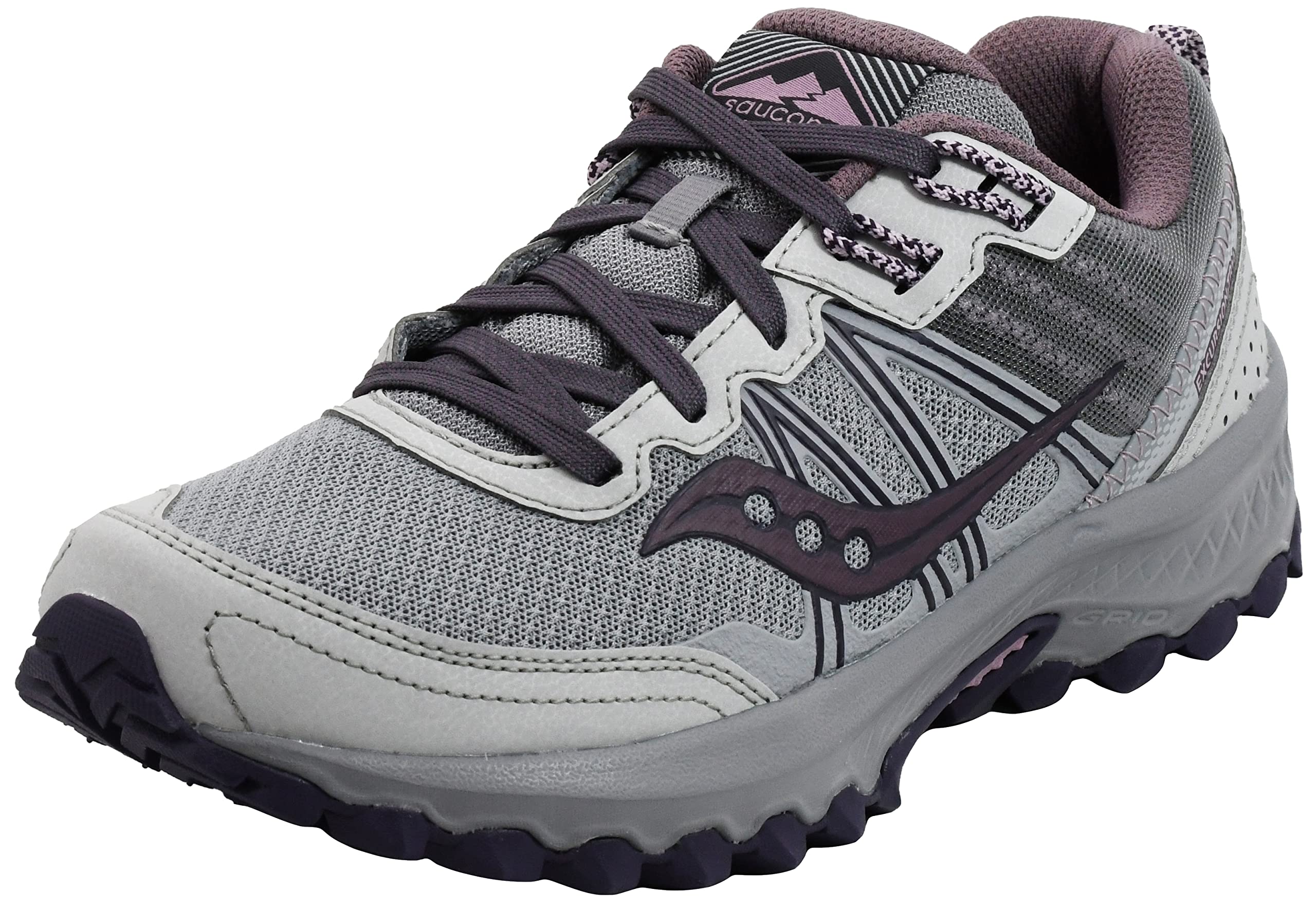
Saucony Excursion TR14

Saucony Excursion TR14

Trail running

Our Score 8.8/10
Check Price

Worth Noting

  • Firmer than cushioned road shoes
  • Toe area can separate with hard use
Model
Excursion TR14
Outsole
Trail tread
Terrain
Trail
Read the full review

The Excursion TR14 is the shoe we switch to when the route turns to gravel, roots, or loose rock. The tread is the reason: it bites into dirt and gravel in a way the road shoes here simply can't, and it gives you confidence on descents. It's not a fast, race-day trail shoe, but it's a sturdy companion for hikes and easy trail runs.

The fit is roomy through the toe box, which is welcome on long descents when your foot slides forward. The arch support is steady without feeling intrusive, and the upper feels protective against scuffs. The shoe is built for rough ground rather than pavement, and the difference is obvious when you step off the trail.

Sizing is worth checking. The Excursion can run a little large for some runners, while others want extra room for thicker socks, so try your usual size before sizing up. For most trail runners, though, the grip and protection make the fit question worth solving.

Bottom line: For trails, gravel, and hikes where grip matters more than plushness, the Excursion TR14 is the off-road shoe we recommend.

#7

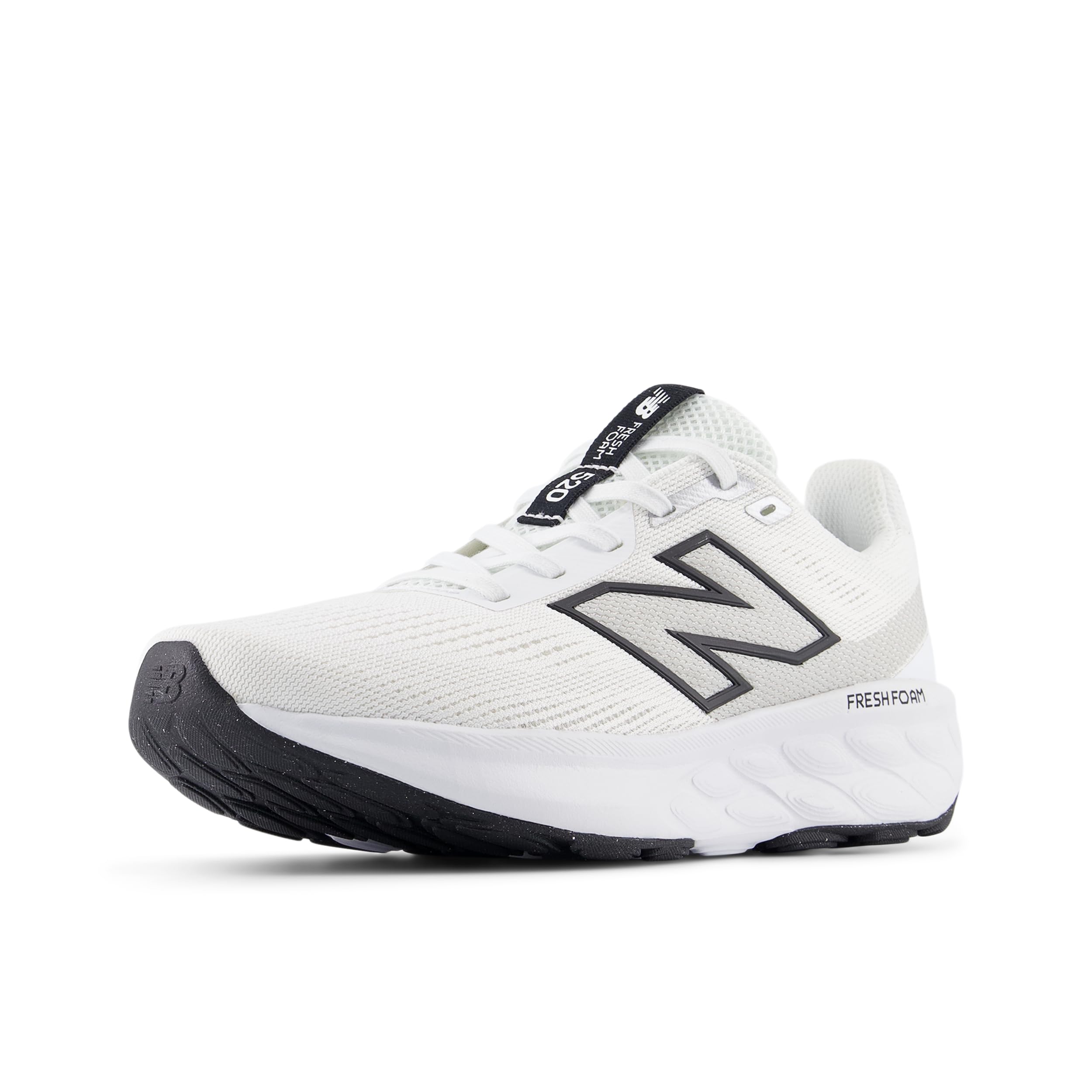
New Balance Fresh Foam 520 V9

New Balance Fresh Foam 520 V9

Budget daily trainer

Our Score 8.8/10
Check Price

Worth Noting

  • Toe box runs narrow for some feet
  • Tread can wear quickly
Model
W5207J8
Terrain
Road
Cushioning
Fresh Foam
Read the full review

The Fresh Foam 520 V9 is the pair we suggest when someone wants a running shoe that doesn't feel like a commitment. It's cushioned enough for easy road miles, supportive enough for long walks, and simple enough to wear for errands. That balance of comfort and price is why it's our value pick.

The Fresh Foam midsole gives it a soft, slightly springy feel without the mushiness of the plushest shoes here. The arch support is noticeable without feeling like an orthotic, and the shoe is easy to put on and take off. We like it for treadmill sessions and neighborhood runs, and it's a sensible choice for a first running shoe if you're not sure what you want yet.

It isn't the plushest shoe in this group, and it won't suit a runner who wants a soft, deep landing. But the 520 V9 is comfortable enough for easy days, and the lower price tier leaves room for a second pair. If you want a simple road trainer for walks and short runs, this is the one we hand to friends first.

Bottom line: The Fresh Foam 520 V9 is the value pick we point to for easy road miles and long walks, with cushioning that feels pricier than it is.

#8

Joomra Barefoot Trail

Joomra Barefoot Trail

Minimalist trail runs

Our Score 8.6/10
Check Price

Worth Noting

  • Upper can separate with hard use
Drop
Zero drop
Terrain
Trail
Toe Box
Wide
Listed Weight
10.6 oz
Read the full review

The Joomra barefoot trail shoe is not for every runner, and that's the point. It has a zero-drop platform, a wide toe box, and very little underfoot, so you feel the ground and your toes can spread. On easy trails and gravel paths, the tread grips well enough to make it a fun, low-profile option.

We like it as a second shoe for runners who want to strengthen their feet or who have struggled with cramped toe boxes. The wide toe box is the standout feature: it gives your toes room to move in a way most cushioned shoes here don't. The trade-off is the ride: it's thin and firm, which is the point, but it's not the shoe for long road miles.

The transition is the important part. Zero-drop shoes load the calves and Achilles differently, so build up slowly with short walks and easy runs before you take them on a long trail. Sizing runs small for many, so start half a size up. Give yourself time to adapt before you judge the shoe on a long trail.

For the right runner, the Joomra is a useful way to get ground feel and toe room without spending much. It isn't a daily trainer for most people, and it won't replace a cushioned road shoe. But if you want a minimalist trail shoe to rotate in slowly, this is the one we recommend.

Bottom line: The Joomra is our minimalist trail pick for a wide toe box and zero-drop feel, provided you build up slowly.

How We Tested 14 Pairs of Women's Running Shoes

We started with a shortlist of about 40 pairs and cut it down using specs that actually matter: cushioning and stack height, heel-to-toe drop, whether a wide version exists, the type of arch support built in, and what you get for the price. From that we pulled 14 pairs, mixing cushioned cruisers, firmer everyday trainers, and a couple of stability options, and ran in them for six months.

Each pair logged at least 30 miles across a rotation: weekday pavement runs, treadmill intervals, weekend long runs, and the grocery-store trips in between. We sized every shoe at the end of the day, when feet are at their largest, then ran in both thin and thick socks to see where the fit got tight. Testers with flat feet and high arches reported on how the midfoot felt after an hour, and we ran routes on a noticeably crowned road to see which shoes let the foot roll inward.

For durability, we marked the outsoles and checked them again at 50 and 100 miles, noting worn tread at the heel and any creasing in the midsole. Appearance and versatility got tested the unglamorous way: worn with jeans, leggings, and to the store, plus a few gym classes, to see which pairs looked like running shoes and which could pass for something else. Comfort came down to the simplest measure of all — whether we reached for the same pair on a rainy Tuesday without thinking about it.

How to Choose Running Shoes for Women

Match the shoe to the surface

Road shoes like the Glycerin, Nimbus, and 520 V9 have smoother outsoles and cushioning tuned for pavement. Trail shoes like the Excursion TR14 and Joomra have deeper tread and a more protective ride for dirt, gravel, and roots. We prefer to match the shoe to the majority of your miles: a lugged trail shoe feels clunky and wears faster on concrete, while a road shoe gives up grip when the path turns soft. If you run a mix, buy for the surface where you spend most of your time and accept the compromise elsewhere.

Decide how much cushioning and support you want

Cushioning is a comfort choice, not a virtue. A plush shoe like the Nimbus takes the sting out of long road miles, while a firmer shoe like the Charged Assert 9 gives more ground feel and can feel more stable. Support is separate: the Adrenaline GTS 24 is the stability pick here, with extra arch support for runners who want it. If you have no support needs, a neutral shoe is usually the simpler choice. If you have persistent pain or a diagnosed gait issue, get fitted rather than guessing from a label.

Get the fit right before anything else

Running shoes should feel snug through the heel and midfoot with a thumb's width at the toe. Sizing isn't universal: the Glycerin runs small for some, the Nimbus runs roomy for others, and the Max Cushioning Endeavour is the widest fit in this group. Try the exact model and width you plan to buy, ideally later in the day when your feet are larger. If you're between sizes, go with the fit that leaves room for your longest toe, not the size on your everyday shoes.

Weigh weight and all-day comfort

A lighter shoe feels quicker, but the cushioned picks here earn their weight on easy days and long shifts. The Glycerin and Nimbus are not race-day feathers, and that's fine for daily training. If you stand all day or walk between runs, look at the Skechers Max Cushioning Endeavour and the Fresh Foam 520 V9; both prioritize comfort over speed. If you want a faster feel, choose the lighter, firmer pair and save the plush shoes for recovery days.

Plan for wear and replacement

Outsole wear is the clearest sign a running shoe is near the end, but the midsole can compress before the tread looks gone. The budget picks here, especially the Charged Assert 9 and Max Cushioning Endeavour, are more likely to show wear early; the Adrenaline can wear at the outsole before the upper gives out. Rotate two pairs if you run often, and retire a shoe when the ride feels flat or the tread is smooth under the ball of your foot.

Frequently Asked Questions

Final Verdict

Most women should start with the Brooks Glycerin 22. It has the cushioning, support, and all-day comfort to handle daily road miles without demanding a specific gait or terrain. If you want a softer long-run ride, the ASICS Gel-Nimbus 27 is the alternative; if you need stability, the Brooks Adrenaline GTS 24; if your runs leave pavement, the Saucony Excursion TR14. The right choice follows the surface and the support you need, not the logo.