Shoes & Apparel

Best Cross Training Shoes for Women of 2026

A cross training shoe has to do something most sneakers weren't designed for: keep you steady while you move sideways. Running shoes carry you forward in a straight line, which is why they feel so wobbly the first time you try a lateral shuffle or a lift in them. The best women's cross trainers solve that — firm under a barbell, cushioned for box jumps, wide enough that your ankle doesn't roll during a lunge. Get the balance wrong and your knees will tell you first.

I've worn through plenty of pairs that felt fine for twenty minutes, then rubbed and slipped once I sweated in them. My team and I have spent six months putting 14 pairs through class after class — lifting days, HIIT circuits — and the differences in fit, arch support, break-in, and value are bigger than the marketing suggests. And nobody warns first-time buyers that sizing drifts between brands — the number on the box is a starting point, not an answer. The picks below are the ones we kept lacing up afterward, scuffs and all.

#1

Under Armour Aurora 3

Top Pick
Under Armour Aurora 3

Cushioned cardio

Our Score 9.2/10
Check Price

Worth Noting

  • Less stable under heavy loads
Fit
Runs small for some
Cushioning
Soft underfoot
Training Role
HIIT, cardio, jumping
Read the full review

A jump-heavy class is where the Aurora 3 makes its case. The midsole feels soft underfoot, and the shoe takes the sting out of repeated landings without turning vague at the edges. The upper is comfortable from the first wear, with no long break-in.

We like it best for HIIT, cardio machines, and bodyweight circuits. There is enough cushioning to keep the joints happy, and the shoe stays comfortable through a long session. It is also light enough to feel quick during footwork drills, which is not always true of a cushioned trainer. The look is clean enough that we wear it outside the gym, too.

Sizing is the main check: the shoe can run small, so women between sizes should start a half size up. The platform is softer than the Nano X5, and we treat the Aurora 3 as a cardio-first trainer rather than a lifting shoe. For that kind of work, the softer ride is the point, and it makes the shoe feel lively rather than mushy.

Bottom line: We recommend the Aurora 3 for women whose gym week leans toward cardio and jumping, with a softer landing that still feels controlled.

#2

PUMA Tazon 6

PUMA Tazon 6

Budget gym sessions

Our Score 8.8/10
Check Price

Worth Noting

  • Narrow fit limits wide feet
  • Durability can be inconsistent
Fit
Narrow
Arch Support
Good for flat feet
Training Role
Gym, cross-training, walking
Read the full review

The Tazon 6 is the least expensive shoe in this group, and it does not feel like a throwaway for a basic gym rotation. We like that it brings arch support and a secure feel without asking for a premium spend. It is the pick we hand to someone building a first gym bag.

The arch support is the standout. It suits flat feet and gives a little more structure than a plain cushioning shoe, which makes it useful for weight-room sessions and standing work as well as the gym floor. The ride is comfortable, and the shoe is light enough for class work without feeling bulky on the foot.

The fit is narrow, so wide feet should go straight to the New Balance 608 V5. Durability is the other compromise: the upper and outsole can wear unevenly with steady use, so we treat the Tazon 6 as a budget shoe to rotate rather than the only pair in a daily training bag. For the money, the basics are right, and the arch support is the reason we keep it on the list.

Bottom line: We point budget-minded shoppers to the Tazon 6 for its arch support and secure gym feel, as long as the narrow fit works.

#3

New Balance 608 V5

New Balance 608 V5

Wide feet

Our Score 8.8/10
Check Price

Worth Noting

  • Not built for fast agility or heavy lifting
  • Durability can be uneven with hard use
Fit
Roomy toe box
Training Role
Light gym work and everyday wear
Package Weight
2.4 lb
Read the full review

Wide feet and a high instep are where the 608 V5 earns its place. The toe box is roomy, the shoe has a supportive, familiar shape, and it is one of the few picks here that does not pinch across the forefoot.

The support is more walking-shoe than gym-shoe. We like it for light lifting, machines, and long days on your feet, and the structured upper gives it a secure feel. It is a comfortable shoe for errands and standing work, not a fast trainer.

The leather upper takes time to soften, and the ride is firm rather than plush. Neither is a dealbreaker if you want structure, but they are the reasons the 608 V5 feels more at home on a walk than in a quick circuit.

We recommend the 608 V5 for women who prioritize width and a supportive, budget-friendly fit over a competition-ready platform. It is a sensible shoe for everyday wear and light gym sessions; it is just not the one we reach for when the workout gets fast or heavy.

Bottom line: We recommend the 608 V5 for women who want a roomy, budget-friendly cross trainer for light gym work and everyday wear.

#4

Reebok Nano X5

Reebok Nano X5

Lifting and HIIT

Our Score 8.6/10
Check Price

Worth Noting

  • Not a daily running shoe
Fit
Normal toe box
Sole
Flat and stable
Training Role
Lifting, HIIT, CrossFit
Read the full review

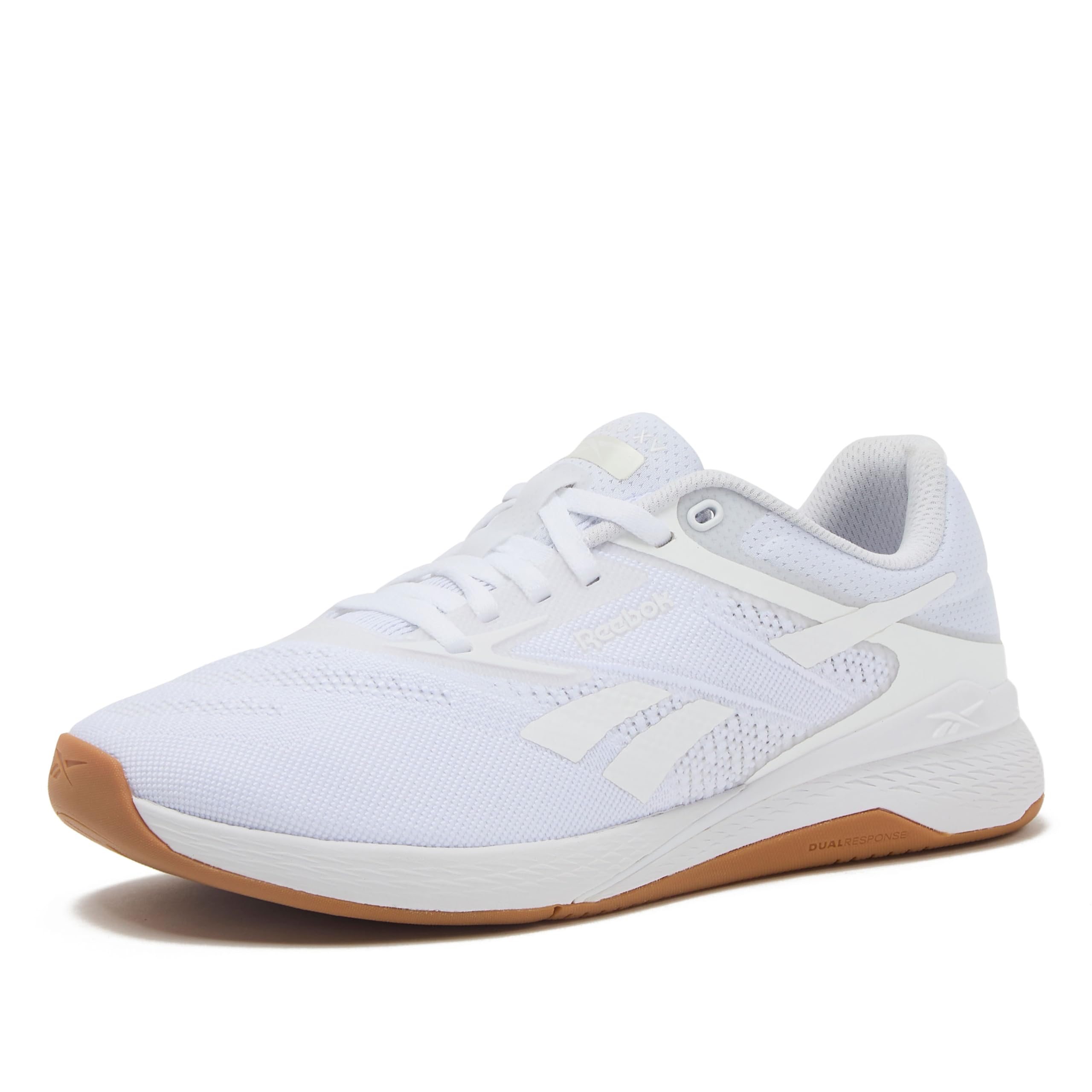
A flat platform under a barbell is the first thing we check in a cross trainer, and the Nano X5 gets that part right. We like it for sessions that move from squats and lunges to box jumps and short conditioning bursts: the shoe stays steady side to side, and the sole does not feel like it is fighting the floor.

The fit is one of the more accommodating in this group. The toe box is normal rather than pinched, the heel sits securely, and the laces let us snug the midfoot without creating a pressure point. Narrow feet can still wear it, but width is not the reason to choose this shoe; the Tazon 6 is the leaner option here.

Cushioning is firmer than the Aurora 3 and the Bella 7, and that is exactly why we prefer it for lifting. For a class that is almost all jumping, some women will want more softness under the forefoot. The Nano X5 also handles short runs and shuttle work without feeling clunky.

What earns it the top spot is the balance. It feels planted under load, light enough for jump rope and quick footwork, and comfortable enough that we stop thinking about it between sets. The flat sole is the detail that keeps us coming back: it makes the shoe feel like a training platform first and a general gym shoe second.

Bottom line: We recommend the Reebok Nano X5 for women who want one stable shoe for lifting, HIIT, and CrossFit-style sessions.

#5

Nike Flex Train

Nike Flex Train

Light gym days

Our Score 8.6/10
Check Price

Worth Noting

  • Upper can run warm during long sessions
  • Arch support is on the weak side
Fit
Runs large
Cushioning
Light and flexible
Training Role
Gym classes and short sessions
Read the full review

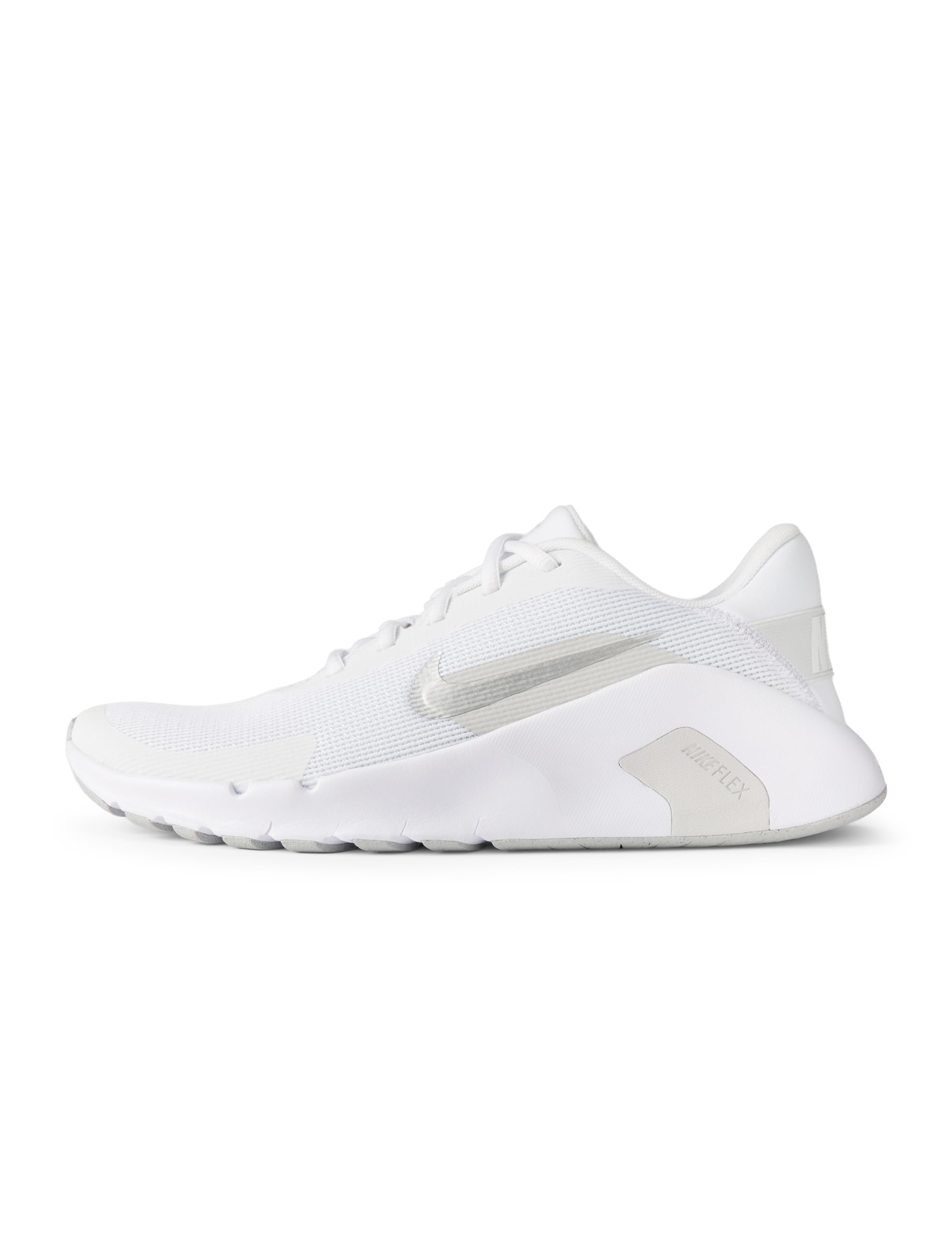
The Flex Train runs large enough that ordering your usual size is a gamble. Start half a size down if you are between sizes, and check the heel lock before you cut the tags.

What we like is the weight. The Flex Train feels light and flexible, and it is easy to move in during bodyweight circuits and cardio machines. The cushioning is comfortable for short sessions, and the shoe has a simple, clean look that works with gym clothes. It is a straightforward trainer rather than a technical one.

We recommend the Flex Train as a light, affordable gym shoe for short sessions and class work. It is not the shoe for heavy lifting, and it is not the most structured pick here. The light feel is the reason it stays in the rotation; just size it right and keep it for shorter sessions.

Bottom line: We recommend the Flex Train as a light, affordable option for short gym sessions, provided you size down and keep it out of heavy lifting.

#6

Nike Bella 7

Nike Bella 7

Gym classes

Our Score 8.4/10
Check Price

Worth Noting

  • Tight across the top for high insteps
  • Soft platform for heavy lifting
Fit
Tight across the top
Cushioning
Soft and light
Training Role
Classes, cardio, all-day
Read the full review

The Bella 7 feels light and airy from the first step, and that is the quality that kept it in our gym bag for classes rather than heavy lifting days. The upper does not feel bulky when you are moving through a circuit, and the shoe is easy to wear beyond the gym.

We like it for cardio dance, treadmill warm-ups, and days when the gym is one stop in a busy schedule. The cushioning is soft enough to take the edge off hard floors, and the shoe is comfortable enough to wear all day. The style is clean enough to pair with everyday clothes, which is part of the appeal.

The sole has more flex than the Nano X5, which makes the Bella 7 feel easy and natural in class and less planted under a heavy bar. We recommend it as a class-first trainer, not the one shoe for a serious lifting program. That light, airy feel is why we reach for it on class days.

Bottom line: We recommend the Bella 7 for women who want a light, comfortable trainer for gym classes and all-day wear, not heavy lifting.

#7

Ryka Influence

Ryka Influence

Dance cardio

Our Score 8.4/10
Check Price

Worth Noting

  • Sole and upper can peel with regular use
Fit
Narrow and short
Listed Weight
6.4 oz
Training Role
Zumba and dance cardio
Read the full review

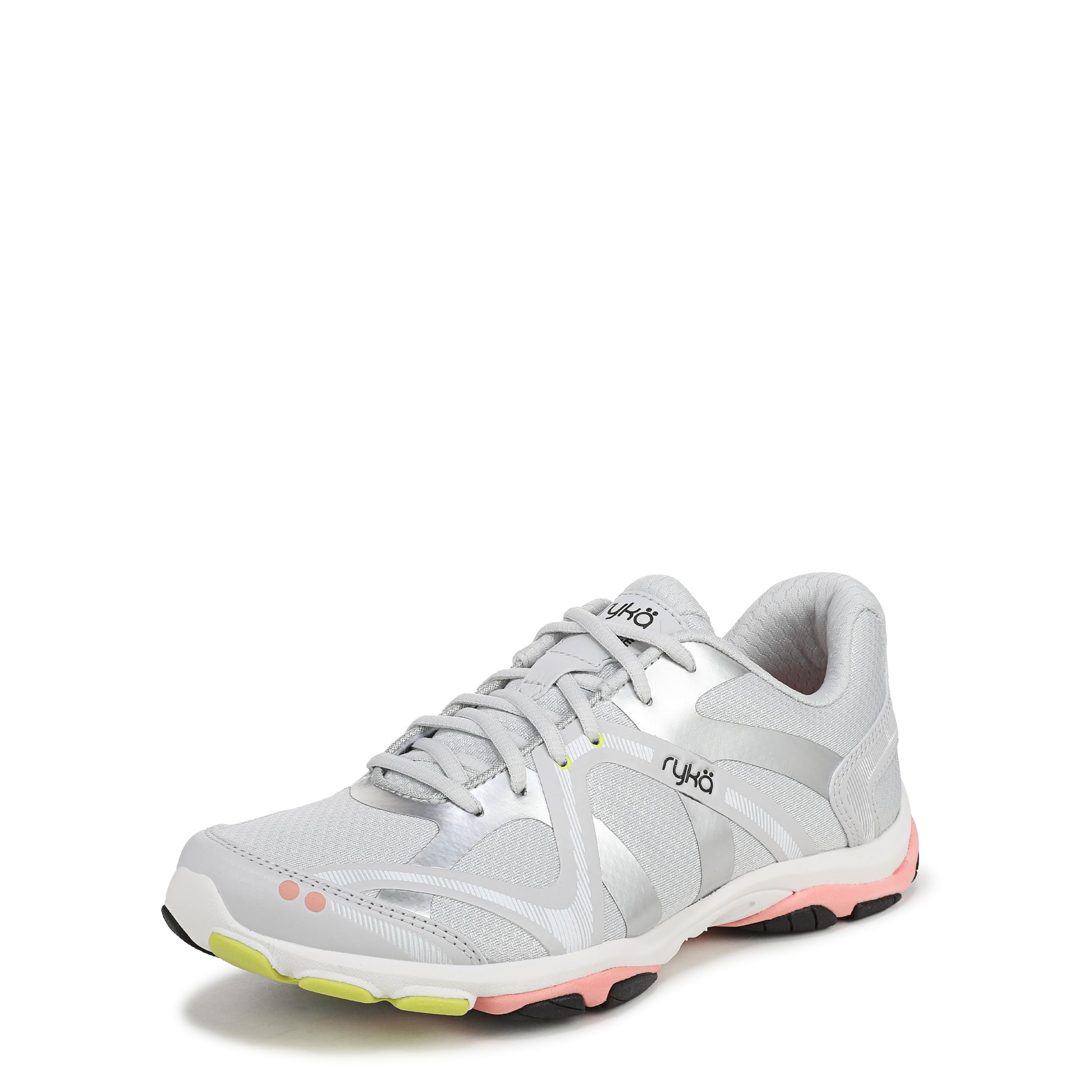
Zumba and cardio dance ask for a shoe that pivots easily and does not feel like a brick. The Influence is the clearest dance-first pick in this group, and that is a different job from a lifting shoe.

We like the light build and the arch support, especially for class work that keeps you on your toes. The shoe moves easily through side steps and turns, and it is comfortable enough for a full session without feeling sloppy. It also looks sharper than most dedicated dance trainers, which helps if the shoe does double duty on the way to the studio.

The fit is the first check: it can run narrow and short, so women between sizes should start a half size up. If your training is mostly lifting or agility, the Nano X5 is the safer choice; for dance cardio, the Influence is the specialist. That focus is the reason it earns a place here.

Bottom line: We like the Influence as the dance-cardio specialist here: light, flexible, and happy in Zumba, but not our pick for heavy lifting.

How We Tested 14 Pairs of Women's Cross Trainers

We started with more than 40 women's cross trainers between roughly $70 and $160 and narrowed them by the specs that actually matter for mixed training: heel-to-toe drop, outsole width at the forefoot, upper material, and how the sole is attached. Customer reviews did a lot of the work — repeated complaints about narrow toe boxes, shoes that loosened after a month, sizing that ran half a size off — and anything showing that pattern got cut. That left 14 pairs, all bought at retail.

Every pair went through the same six months, on testers with high arches, flat arches, wide feet, and narrow ones. Each got at least three lifting sessions, three HIIT classes, and a week of ordinary life — errands, dog walks, standing at the stove — before we formed an opinion, because several felt great out of the box and turned tight across the toes by the third class. We ran lateral shuffles and single-leg balances to see whether the midsole held its shape or rolled, jumped rope and did box jumps to judge cushioning, and did rope climbs wherever the gym had one to watch the upper scuff and fray.

Sizing was deliberate: we tried a half size either way when it existed, wore each pair through a full 45-minute class to account for foot swelling, and checked toe room with a thumb's width. We tracked durability at set intervals — tread wear at the heel and inner edge, seams, eyelets, whether the upper stretched out. And since these shoes spend as much time in the grocery aisle as in the gym, we wore them with leggings and jeans, noted scuffs, and washed the pairs that claimed to be machine-washable. On value, we weighed price against how often we genuinely reached for the shoe. The ones that made the list still felt supportive in month six.

How to Choose Cross Training Shoes for Women

Start With Your Training Split

The sole is the first compromise. A flat, firm platform gives you a stable base for squats, lunges, and loaded carries, while a softer midsole takes the sting out of jumps and cardio classes. The trap is buying a running shoe for gym work: its rocker and cushioned heel feel great on a run but vague under a barbell. If your week is mostly lifting, prioritize the firmer platform; if it is mostly HIIT and dance cardio, prioritize cushioning. The Nano X5 is the firm end of this group; the Aurora 3 is the cushioned end.

Fit and Width Matter More Than Size Alone

Cross trainers do not all run the same, and a wrong width can make a good shoe feel unstable. Check the toe box, the heel lock, and the pressure across the top of your foot. Women with wide feet should look for a roomy toe box such as the 608 V5; narrow feet often do better in the Tazon 6. Try shoes with the socks you train in, and if you are between sizes, use the lacing to secure the midfoot before deciding to size up.

Look at Durability Where You Wear Through Shoes

Gym shoes fail at the outsole edges, the flex point across the forefoot, and the upper where it creases. If you train on rough floors, do rope climbs, or wear the same pair every session, a lighter mesh trainer can wear through faster. The Ryka Influence is the caution here: its light build is a dance-cardio asset, but the sole and upper can peel with steady use. Rotating two pairs is the simplest way to extend the life of a budget shoe.

Spend According to How Often You Train

A budget cross trainer makes sense for two sessions a week or a first gym bag; the Tazon 6 covers the basics without a premium spend. If you train most days, put more of the budget into a shoe that matches your main job, such as the Nano X5 for lifting or the Aurora 3 for cardio. The premium is worth paying when the shoe's specialty matches the work you do most, not when it simply has more features.

Frequently Asked Questions

Final Verdict

Most women are best served by the Reebok Nano X5. It has the flat, stable platform that makes lifting feel secure, and it stays light enough for HIIT and short conditioning work. If your sessions are mostly jumping and cardio, the Under Armour Aurora 3 gives you a softer ride; if you are building a first gym bag on a budget, the PUMA Tazon 6 gets the essentials right.