Recovery

Best Foam Rollers of 2026

The first time you lower yourself onto a foam roller and find a knot in your quad, it can feel like a mistake — a hot, bright pain that makes you want to slide right off. That's usually the moment people quit. Give it a week, and the spot that yelled at you starts to let go.

Firmer isn't better — that's the first thing I'd tell a friend. A rock-hard roller isn't the badge of seriousness people treat it as, and a softer one is often the difference between finishing a set of passes and quitting after ten seconds. Over the past four months, my team and I have used 15 rollers daily — soft, knobby, smooth, long, short — and density mattered far more than price.

Size is the other thing people underestimate: a 36-inch roller supports your whole spine, while a 12-inch one gets into a calf or an IT band without your ribs getting in the way. Scroll on for the ones that earned a permanent spot on my floor.

#1

TriggerPoint Grid 1.0

Top Pick
TriggerPoint Grid 1.0

Targeted deep-tissue recovery

Our Score 9.4/10
Check Price

Worth Noting

  • Short body needs repositioning for full-back work
  • Ridges feel intense on tender spots
Length
13 inches
Weight
1.1 lb
Surface
Multi-density GRID
Diameter
5.12 inches
Read the full review

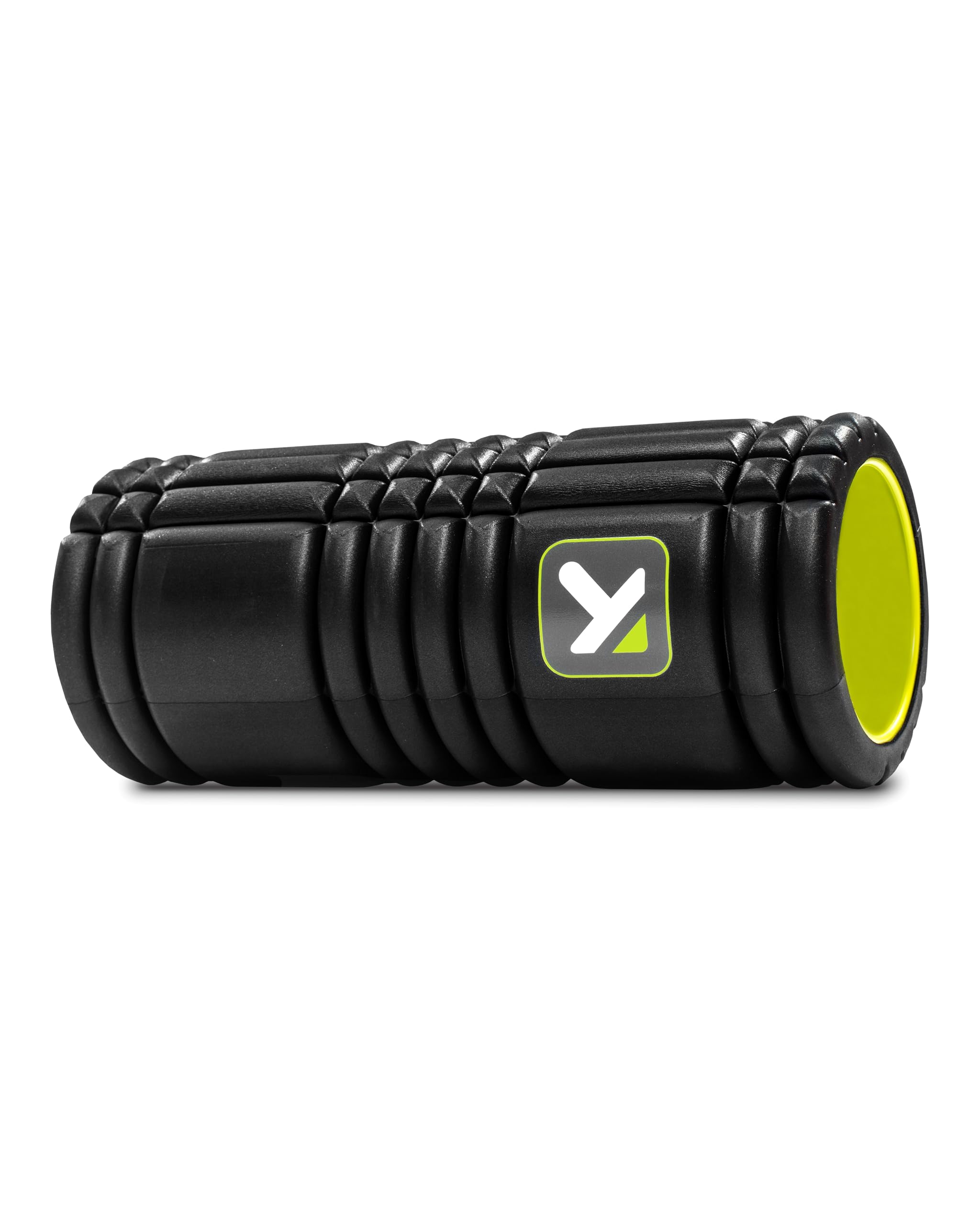
At 13 inches, the TriggerPoint Grid 1.0 looks more like a travel accessory than a serious recovery tool. Put your weight on it and the multi-density GRID makes sense: the ridges and nodules create different pressure points, while the hard plastic core keeps the roller from collapsing under you. That combination is why it is our top pick. It gives you a focused, deep-tissue feel without asking for much floor space, and the 5.12-inch diameter keeps you elevated enough to roll through quads, calves, and upper-back tension.

The 13-inch body suits a single muscle group: an IT band, a glute, a spot along the upper back. We used it that way between workouts, and the 1.1-pound weight makes it easy to move from room to room or pack in a gym bag. The surface rewards slow, deliberate rolling. Shift your angle and a different ridge takes over, so you can work around a tight spot instead of grinding straight through it.

We also appreciate that the core does not soften the way a plain foam cylinder can. The roller feels firm and planted, which gives you confidence to apply pressure. It is not a plush recovery tool, and it does not try to be. For the reader who wants one compact roller for post-run tightness, this is the one we point to first.

Bottom line: We recommend the TriggerPoint Grid 1.0 as the default roller for most people: compact, firm, and precise enough for post-workout knots without the footprint of a full-length roller.
#2

OPTP PRO-Roller Soft

OPTP PRO-Roller Soft

Gentle full-body rolling

Our Score 9.4/10
Check Price

Worth Noting

  • 36-inch length is awkward to store
Length
36 inches
Diameter
6 inches
Firmness
Soft
Material
Closed-cell EVA
Read the full review

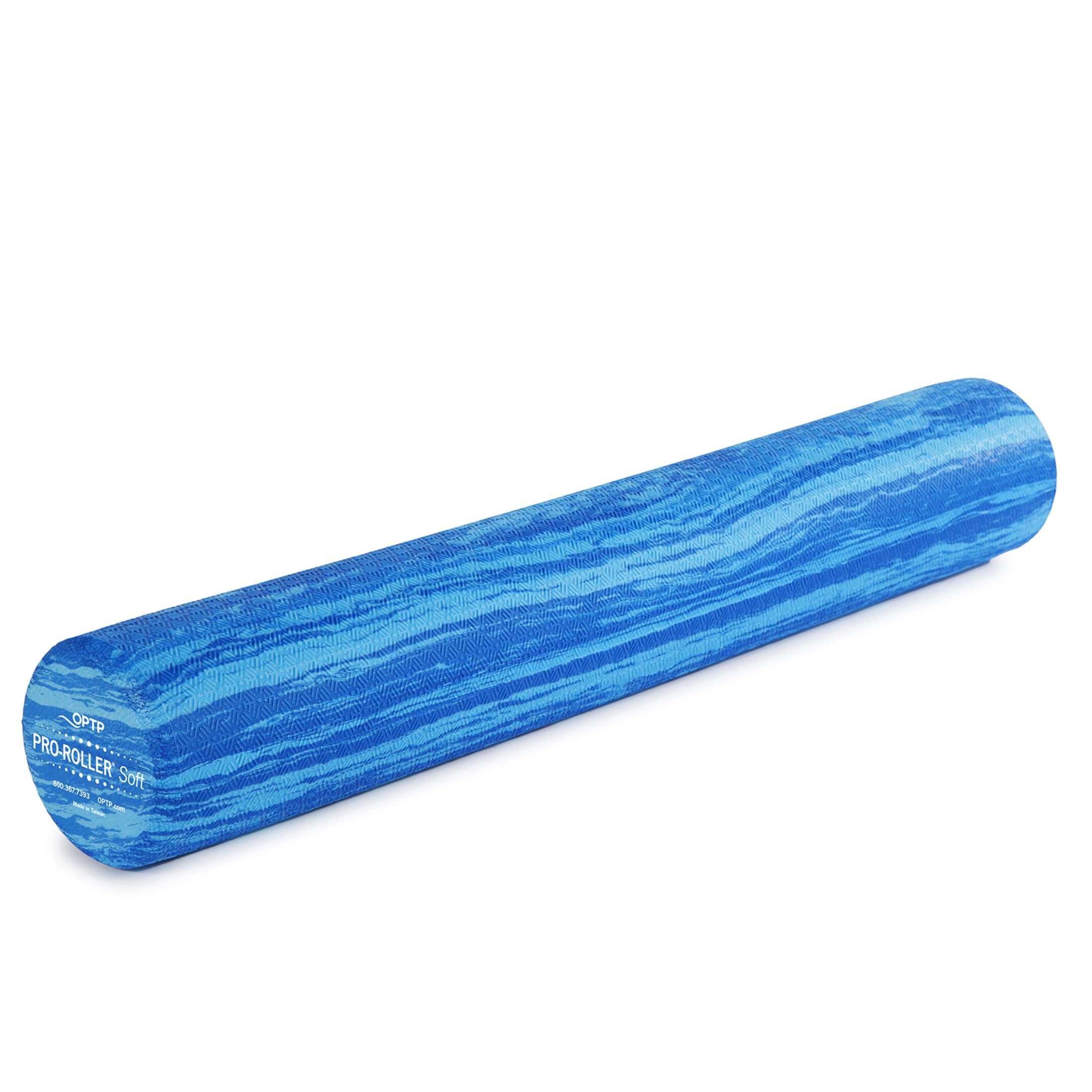
The OPTP PRO-Roller Soft is a 36-inch, 6-inch-diameter roller made from closed-cell EVA foam. Its soft density gives under your back and ribs, which makes it easier to settle into a stretch instead of bracing. At 15 ounces, it is light enough to move around, but the length makes it a home or studio tool rather than a gym-bag one.

We recommend it for anyone who has tried a dense roller and come away tense, or for a practice like MELT and Pilates where the roller is a support rather than a massage weapon. The softness is the feature: it lets you stay on a tender area long enough to breathe, and the 36-inch length covers the whole spine in one pass. It is not a deep-tissue tool, so do not expect it to dig a knot out of a glute the way the TriggerPoint Grid can.

What we like most is how easy it is to use every day. The foam has enough structure to support your weight without feeling like a rock, and the surface wipes clean after a session on the floor. The premium price is the main hurdle, but this is a roller for gentle, frequent work rather than occasional punishment. If that is the job, it earns the space.

Bottom line: Choose the OPTP PRO-Roller Soft if you want full-length coverage without the bruising pressure of a firm roller; it is the gentlest 36-inch option here.

#3

RumbleRoller Original

RumbleRoller Original

Intense deep-tissue work

Our Score 9.4/10
Check Price

Worth Noting

  • Premium price for a specialist roller
Length
22 inches
Surface
Raised bumps
Material
EVA/polyolefin
Read the full review

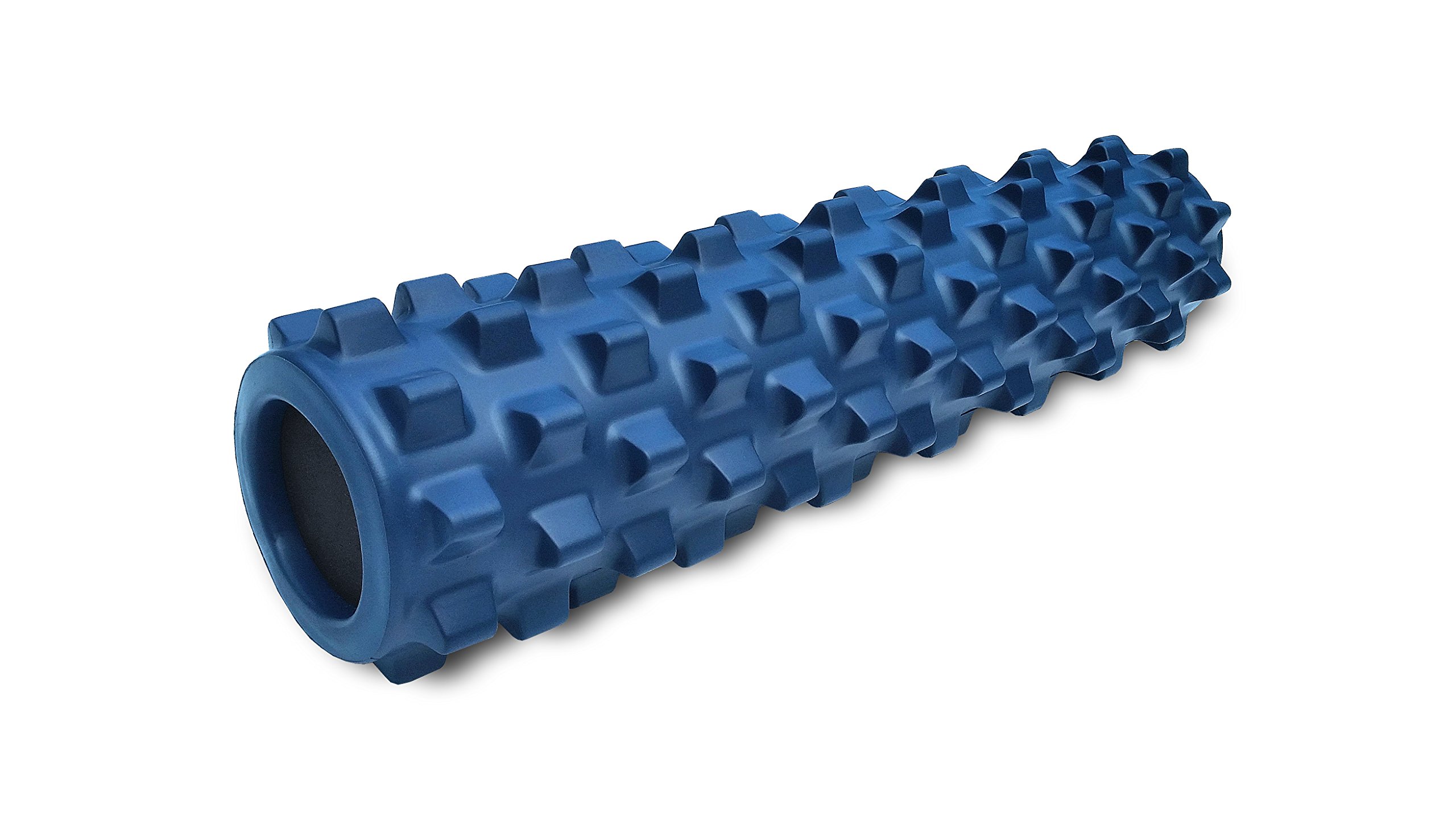
The RumbleRoller Original does not look like the other rollers here. Its surface is covered in raised bumps rather than broad ridges, and the 22-inch body sits between a travel roller and a full-length one. The EVA and polyolefin material feels dense in the hand, and the bumps are designed to reach into muscle rather than simply press on it. That makes it a specialist tool, not a gentle introduction.

We recommend it for athletes and experienced rollers who want pressure that feels closer to a deep-tissue session than a foam roll. On hamstrings, glutes, and the muscles beside the spine, the bumps find spots a smooth roller slides over. The trade-off is intensity: this is the last roller in the group for a tender lower back or a low tolerance for discomfort.

It is a specialist's roller, and we treat it that way: a few minutes on a stubborn area, not a whole-body wind-down. The 22-inch length gives you more coverage than a 12-inch compact without the storage burden of a 36-inch roller. If you want a firm, smooth roller for general recovery, look elsewhere; the bumps are the point.

Bottom line: Buy the RumbleRoller Original if you want the most aggressive, knot-seeking surface in this roundup and have the budget for it.

#4

Amazon Basics High-Density

Amazon Basics High-Density

Full-length budget recovery

Our Score 9.2/10
Check Price

Worth Noting

  • Long body takes up floor space
Length
36 inches
Weight
4.32 oz
Diameter
6 inches
Firmness
High-density
Read the full review

The Amazon Basics high-density roller is the budget route to a full 36-inch roller. It is a single piece of firm polypropylene foam with molded edges and no texture, so the pressure is broad and even rather than sharp. At 4.32 ounces, it is light enough to shift with one hand, and the full length means you can lie lengthwise and roll from shoulders to hips without stopping to reposition.

That length is the reason to choose it over a compact roller. It also makes it the one to pick if you share a roller with a partner or want to work both legs at once. The surface is dense, though, and a beginner may want a folded towel between the roller and a sore spot until the pressure feels manageable. It wipes clean and has kept its shape in our use.

We recommend it as the budget full-length pick because it does the simple job well: broad pressure, full coverage, and no unnecessary texture. It is not the roller for someone hunting a specific knot in a calf or glute; a textured 13- or 18-inch model is better there. But for back and leg work at a low price, it is the easy answer.

Bottom line: We recommend the Amazon Basics 36-inch roller for full-back coverage on a budget, as long as you are ready for a firm, untextured surface.

#5

TriggerPoint CORE

TriggerPoint CORE

Softer back recovery

Our Score 9.2/10
Check Price

Worth Noting

  • 18-inch length still needs repositioning
Length
18 inches
Diameter
4 inches
Firmness
Soft
Material
Solid-core EVA
Read the full review

The TriggerPoint CORE is the roller we point to when someone likes the idea of the Grid but finds its texture too sharp. It uses the same multi-density grid idea in a softer solid-core EVA foam, and the 18-inch length covers more of the back than the 13-inch Grid without becoming a 36-inch floor hog. At 10.56 ounces, it is light enough to move around, and the 4-inch diameter keeps it close to the body rather than perched high.

The softer compression makes it easier to stay on a sore area for a full minute, which is the point of a recovery roller. It still has enough structure to support your weight and roll smoothly, so it does not feel like a pool noodle. We like it for post-workout backs and for anyone who wants a texture option that is not a battle.

The 18-inch length is a middle ground: better than a compact for the spine, easier to store than a full-length roller. It is not the firmest or most aggressive pick here, and that is deliberate. If you want a deep-tissue challenge, the Grid or RumbleRoller is the better fit; if you want to roll without clenching, the CORE earns its place.

Bottom line: We recommend the TriggerPoint CORE for recovery sessions that need a gentler touch than the Grid without giving up a textured surface.

#6

ProsourceFit High-Density

ProsourceFit High-Density

Small-space firm rolling

Our Score 9.2/10
Check Price

Worth Noting

  • Short length limits full-back coverage
Length
12 inches
Diameter
6 inches
Firmness
High-density
Material
EPP
Read the full review

At 12 inches long and a budget price, the ProsourceFit high-density roller is the smallest full-round option here by footprint. It is 6 inches around and weighs 5.29 ounces, and the EPP foam is dense enough that it does not feel hollow under weight. It is a plain cylinder with no texture, so the pressure is broad and simple.

On calves, quads, and glutes, the short body is an advantage because you can move it around a knot without wrestling a long roller. The density is the main thing to know: it is firm, and on a bony area it can feel harsher than the medium-density rollers here.

It also has the advantage of being the easiest roller to stash in a drawer or carry to the gym. The surface wipes clean, and the EPP material has held up without flattening in our use. If you are new to rolling, start with a towel over it or spend short spells on the largest muscle groups before working into tighter spots.

We recommend the ProsourceFit as a cheap, compact roller for someone who already knows they like firm pressure and wants a small tool for focused work. It is not the most comfortable introduction, but it is a useful tool for travel, small apartments, and leg work.

Bottom line: If you want a no-frills dense roller for small spaces, the ProsourceFit is the one we point to first.

#7

Gimme 10 Massage Roller

Gimme 10 Massage Roller

Heavier-user deep pressure

Our Score 9.2/10
Check Price

Worth Noting

  • Firm surface may feel hard on tender spots
Length
12.5 inches
Diameter
5.25 inches
Firmness
Medium
Weight Capacity
485 lb
Read the full review

The Gimme 10's standout specification is its 485-pound weight capacity. That is not a small detail: a roller that bows or flattens under you is worse than no roller at all, and this one is built with a high-density EPP core to hold its shape. It measures 12.5 by 5.25 inches and weighs about a pound, so it is still a compact roller you can move easily.

The three-zone texture is similar in concept to the 321 STRONG, with smaller and larger projections for different pressure. We found it most useful on quads and glutes, where the length is easy to control. The medium-density foam is firm enough to feel productive without being as sharp as the RumbleRoller.

It is a good option for a heavier lifter or anyone who has crushed a cheap foam roller and wants something that will not deform. The 485-pound rating is the reason to choose it over the ProsourceFit or 321 STRONG, but the roller is not otherwise radically different from other compact textured models.

We recommend the Gimme 10 for larger bodies and heavier use, especially if you want a portable roller that will not flex under load. The 485-pound rating is the reason it earns a place here, and the three-zone texture gives you more to work with than a plain cylinder. It is a specialist answer to a specific need, not the default for every roller.

Bottom line: We recommend the Gimme 10 for heavier users who need a compact roller that won't buckle, with the understanding that it covers one area at a time.

#8

321 STRONG 3-Zone

321 STRONG 3-Zone

Travel trigger-point work

Our Score 9.0/10
Check Price

Worth Noting

  • Firmness can feel hard on bony areas
Length
12.5 inches
Diameter
5.5 inches
Firmness
Medium
Material
EVA over EPP
Read the full review

The 321 STRONG packs three massage zones into a 12.5-inch roller: a finger-like ridge, a broader palm zone, and a thumb-like projection, all over an EVA foam shell and EPP core. The idea is that you can change intensity by changing your angle, and it works. The roller is 5.5 inches around and 8.64 ounces, so it fits in a gym bag and takes up almost no room beside a couch.

On a calf or quad, the zones give you more to work with than a smooth roller. The medium-density foam has enough give to avoid feeling like a rock, though it is still firm enough to make a tight spot noticeable. We like it most for travel and for short sessions where a full-length roller is overkill.

We recommend it to someone who wants a portable roller for legs, glutes, and upper-back spots. The three zones give it more personality than a plain cylinder, and the low weight means it actually goes to the gym. If you need one roller to cover your whole back in a single pass, choose a longer model; the 321 STRONG is at its best when you can move it to the muscle that needs attention.

Bottom line: The 321 STRONG is our pick for a small textured roller that travels well, provided you want targeted pressure rather than full-length coverage.

How We Tested Every Foam Roller on This List

We started by rounding up every roller we could get our hands on, then cut anything that duplicated another pick's density and length. We cross-checked surfaces against the ones physical therapists actually keep in their clinics and noted how much give each had, keeping the spread wide: soft to extra firm, 12 inches to 36, smooth to aggressively knobby. Fifteen made the cut.

Testing ran four months, and each roller lived on the floor of a living room, a garage gym, and a desk-side corner rather than on a lab bench. We rolled quads and calves after leg day, worked upper backs during long workdays, and handed the softest models to two testers who had never rolled before and were bracing for the pain.

Every roller got the thumb test first: press straight down into the middle and watch how much it gives and how fast it springs back. Then came a timed 60-second set of passes on each quad, where we noted who held their breath, which surface made us flinch, and which ones actually let a knot release. The long rollers we used lengthwise for spine work with arms out wide; the short ones went to calves, IT bands, and arches.

To see how they held up, we used the same roller daily for the full four months and watched for shine, shedding, flat spots, or a soft dip in the middle — hollow cores that caved under full body weight got marked down. We wiped each one after sweaty sessions to check whether the texture trapped grime, and rolled on both carpet and hardwood to see how much they skated. Then we compared what each one cost against what it delivered: several of the priciest rollers performed no better than mid-priced ones, while a couple of cheap models went mushy within weeks.

How to Choose a Foam Roller

Start With Length and Coverage

A 36-inch roller covers the whole spine in one pass and lets you work both legs at once, so it suits back and post-run routines. An 18-inch roller is the middle ground: enough length for the spine with some shifting, easier to store. A 12- or 13-inch roller is a targeted tool for calves, quads, glutes, and travel. The trap is buying compact for back work: it fits a gym bag, but you will reposition it constantly. If back relief is the main job, start with a 36-inch model; if you want one knot, a 13-inch roller is easier to place.

Match Firmness and Texture to the Area

Firmness is where foam-roller shopping often goes wrong. A soft roller gives under the ribs and spine and lets you stay on a tender area long enough to relax; a dense roller presses harder and can feel sharp on bony spots. Texture concentrates pressure further: a multi-density grid or raised bumps is for muscles that can take focused work, not for a sensitive lower back. If you clench or brace when you roll, the surface is too aggressive for that area. Step down to a softer model or put a towel between you and the roller. The OPTP PRO-Roller Soft is the gentle end of this group; the TriggerPoint Grid and RumbleRoller Original are the aggressive end.

Check Material and Load Support

Closed-cell EVA, EPP, and polypropylene are the common foams here, and all three wipe clean and resist absorbing sweat. The practical differences are how much give the foam has and whether the roller holds its shape under your weight. A hollow core can feel lighter; a solid core or dense foam can feel more stable. If you are a heavier user, look for an explicit weight rating rather than assuming a roller will cope. The Gimme 10 lists 485 pounds, which is the clearest capacity statement in this group, and that number is worth more than a vague claim about durability.

Balance Portability, Storage, and Price

Foam rollers are simple enough that a budget model can do the core job. What you pay more for is a specific foam feel, a more complex texture, or a longer body that holds up over time. Before spending up, decide where the roller will live: a 36-inch roller needs floor or closet space, while a 12- or 13-inch model can go in a drawer or gym bag. We think most people should get the length and density right first; texture is the refinement, not the starting point. A premium roller has to earn its place with a surface you will actually use.

Frequently Asked Questions

Final Verdict

The TriggerPoint Grid 1.0 is the roller we recommend to most people because it brings targeted deep-tissue pressure into a compact, easy-to-store package. Its multi-density surface is intense enough to matter, and its hard core keeps the shape where you put it. If your back needs a gentler daily roll, the OPTP PRO-Roller Soft is the better companion; if you want full-spine coverage on a budget, the Amazon Basics 36-inch is the straightforward choice. Pick for the job you do most, and the right roller becomes a habit rather than a corner ornament.