Nutrition & Supplements

Best Low Calorie Protein Bars of 2026

The trouble with low-calorie protein bars is that they often ask you to choose between flavor and function. Some taste like a candy bar but pack barely any protein; others load up on whey and sugar alcohols, then sit in your stomach like a brick. A good bar should deliver real protein, keep sugar low, use ingredients you recognize, and — critically — taste like food. That balance — satisfying without the sugar crash or chalky aftertaste — is what separates a daily habit from a one-off.

Over the past five months, my team and I worked through 16 different bars, from sampler packs to full boxes, and the gap between the great ones and the forgettable ones was wider than I expected. We ate them at our desks, in gym bags, on hikes, and during travel, paying attention to how they chewed, how they sat, and whether we'd willingly reach for another. The best ones cleared a simple test: enough protein to matter, little enough sugar to avoid a crash, and a texture that didn't require a chaser of water.

#1

Power Crunch Vanilla Cream

Top Pick
Power Crunch Vanilla Cream

Light, crispy texture

Our Score 9.2/10
Check Price

Worth Noting

  • 13g protein, second-lowest here
  • 5g sugar, above the 1g bars here
Sugar
0.18 oz
Protein
0.46 oz
Bar Size
1.4 oz
Sugar Alcohols
0g
Read the full review

A wafer bar, not a dough bar. Power Crunch layers cream filling between crisp wafers, and the result is the lightest thing in this roundup by a wide margin — it crunches, it doesn't sit in your stomach, and it's the bar we reach for before a run rather than after one, when something dense is the last thing we want.

The trade is protein. At 13 grams a bar it's the second-lowest hit here, from a hydrolyzed whey blend. What you get in exchange is 5 grams of sugar and zero sugar alcohols, so there's no cooling aftertaste and no digestive surprise waiting on the other side of the wrapper. A 1.4-ounce bar is a snack and nothing more; if you're actually hungry, plan on two.

Vanilla Cream is the mildest of the flavors, which makes it a reasonable first box, though the texture turns grainy for some palates once the coating softens. Keep them somewhere cool — a warm wafer goes limp fast, and a limp wafer loses the only thing it had going for it.

Bottom line: Our pick when a bar has to be light: a crispy wafer with 13 grams of protein, no sugar alcohols, and nothing that sits heavy.

#2

Pure Protein Variety Pack

Pure Protein Variety Pack

Stocking up

Our Score 9.0/10
Check Price

Worth Noting

  • Dense, chewy bars that take real work
  • All three flavors are chocolate
Protein
20-21g
Bar Size
1.76 oz
Gluten Free
Yes
Bars Per Box
18
Read the full review

Eighteen bars, three flavors, six of each. Pure Protein's variety pack is the box to buy when the goal is simply to have 20 grams of protein within arm's reach at the lowest cost per bar on this page, and the count is high enough that you stop thinking about it as a purchase and start thinking about it as inventory.

Those bars carry 20 to 21 grams of protein, depending on the flavor, which is as much as anything else here delivers. This is the one we treat as the default for a gym bag or desk drawer: gluten free, low in sugar, and cheap enough per bar that eating one daily doesn't feel like an indulgence you have to justify. The chocolate peanut butter is the pick of the three for us.

Freshness is the thing to manage. Boxes turn up stale, so check the date code the day the case arrives and buy from a seller with fast turnover rather than chasing the lowest listing. If you want real flavor variety instead of three takes on chocolate, the Quest and BUILT boxes are where to look.

Bottom line: We recommend this as the everyday box: 20 to 21 grams of protein per bar at the lowest cost per bar in this roundup, in a size that keeps you stocked.

#3

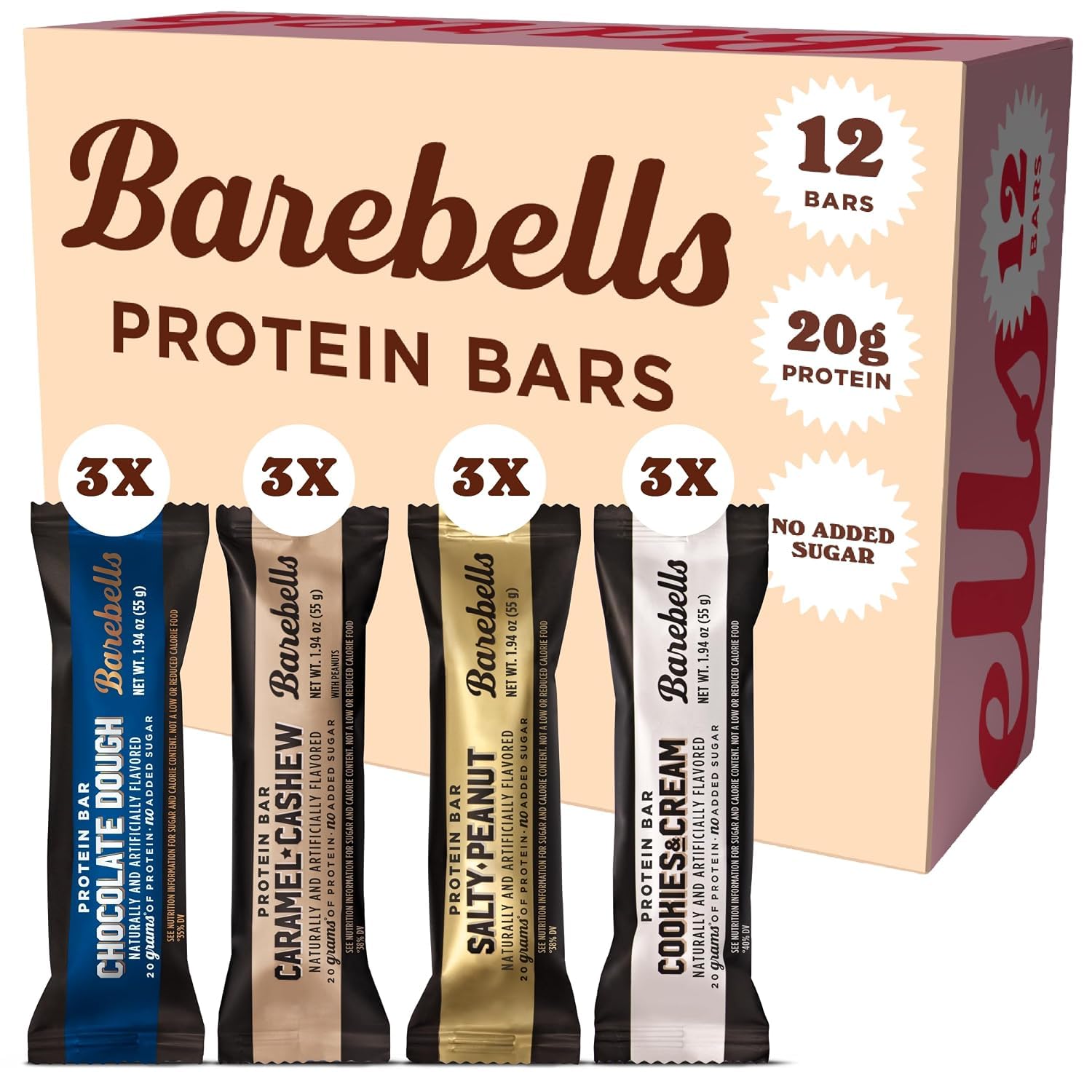
Barebells Classics Variety Pack

Barebells Classics Variety Pack

Treat-like taste

Our Score 9.0/10
Check Price

Worth Noting

  • Highest cost per bar in this group
Sugar
0.04 oz
Protein
0.71 oz
Added Sugar
None
Bars Per Box
12
Read the full review

Barebells is the bar to hand a protein-bar skeptic. The Classics pack eats like a chocolate bar — soft, a little crisp, no chalk and none of the artificial-sweetener burn that gives this category away — and it does that while carrying 20 grams of protein and 1 gram of sugar per bar.

What the listing doesn't tell you is the calorie count, and in a low-calorie roundup that gap matters. Check the nutrition panel before you commit to a twelve-pack; it's the one number we can't hand you here, and it's the number that decides whether this fits your day or replaces a meal you didn't plan to skip.

Where it earns its place is on the afternoons when a bar has to be a reward rather than fuel. The texture is the best of the group — silky, never gummy — and the flavor lineup is genuinely dessert-adjacent. Order in cool weather if you can: the chocolate coating arrives soft and sometimes deformed in summer heat, and a chilled bar eats far better than a warm one.

Bottom line: If a protein bar has to feel like a treat, this is the one we point to — 20 grams of protein, 1 gram of sugar, and the best texture in this group.

#4

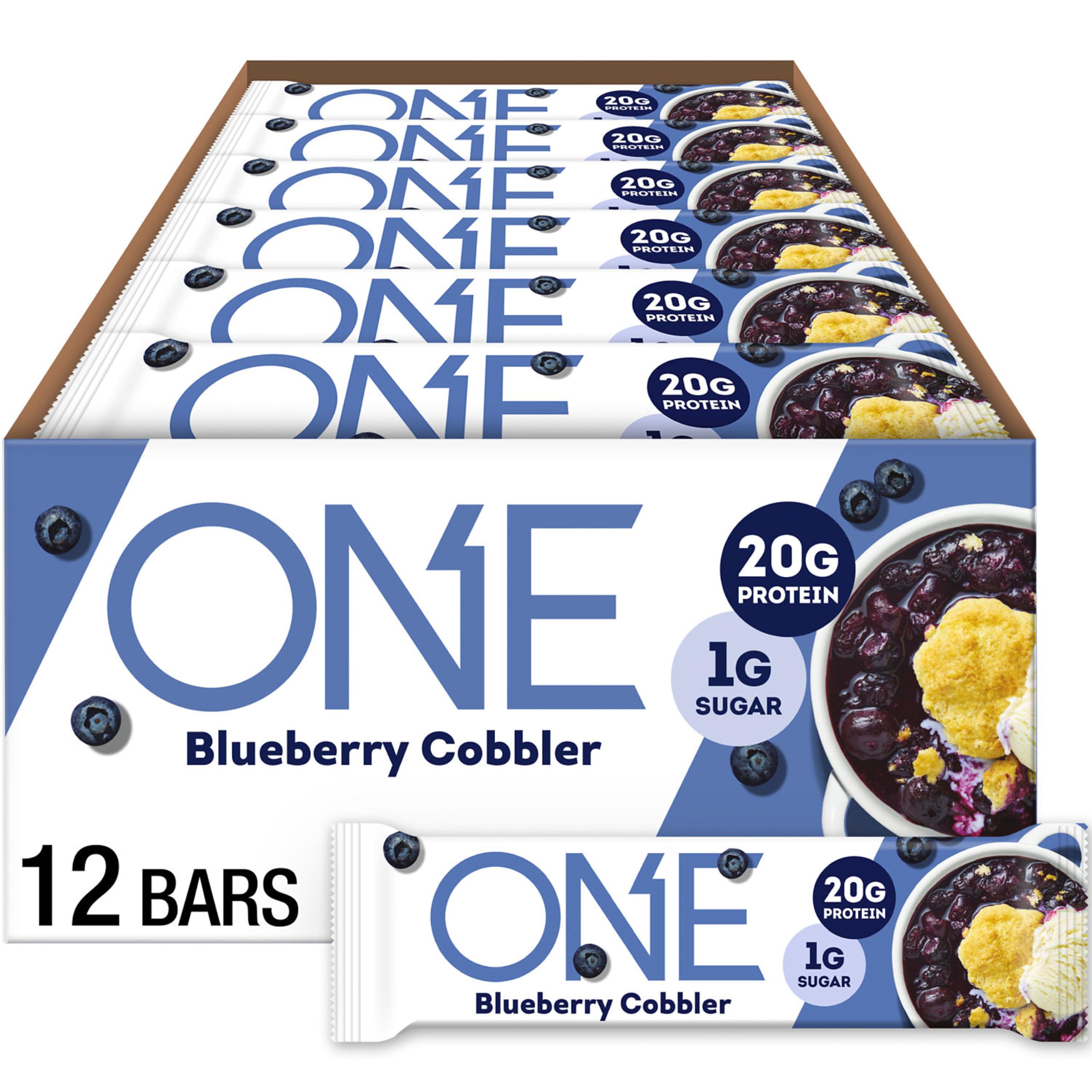
ONE Blueberry Cobbler

ONE Blueberry Cobbler

Single-flavor fans

Our Score 9.0/10
Check Price

Worth Noting

  • One flavor per twelve-bar box
  • Coating mutes the blueberry for some
Sugar
0.04 oz
Protein
0.71 oz
Bar Size
2.12 oz
Bars Per Box
12
Read the full review

At 2.12 ounces, this is the biggest bar in the group — about a fifth larger than the 1.76-ounce bars here and half again the size of Power Crunch's wafer. That extra weight is worth thinking about if calories are the point of your search, because a bigger bar is a bigger snack no matter what the macros say.

Behind the size sits 20 grams of whey isolate protein and 1 gram of sugar, the same headline numbers the Barebells and Quest bars run in a heavier package. The blueberry cobbler flavor is the actual draw: it's fruit-forward in a category that mostly builds walls of chocolate, and the coating is sweet enough that it reads as dessert.

Our hesitation is the single-flavor box. Twelve bars of one flavor is a commitment rather than an experiment, and the blueberry goes faint under the coating for some palates — you get sweetness first and fruit second. Buy it because you want twelve blueberry bars, not because you want to find out whether you do.

Bottom line: A solid 20-gram bar with 1 gram of sugar; choose it when you want a bigger portion and already know you like blueberry.

#5

BUILT Puff Variety Pack

BUILT Puff Variety Pack

Low-calorie snacking

Our Score 8.8/10
Check Price

Worth Noting

  • 6-8g sugar, highest of the low-sugar picks here
  • Marshmallow chew turns rubbery for some
Sugar
6-8g
Protein
15-17g
Calories
140-160
Bars Per Box
12
Read the full review

Seven bars went into this roundup, and exactly one of them prints a calorie count we can hold against the low-calorie brief: BUILT Puff, at 140 to 160 calories depending on the flavor. That's the whole reason it takes the top spot. It backs those calories with 15 to 17 grams of protein, so the ratio holds up next to anything else on this page without you having to guess at it.

The texture is what makes the trade pleasant rather than merely defensible. These are soft, chocolate-coated bars with a marshmallow give to them, and the Cookies 'N Cream and Peanut Butter Cup flavors eat closer to a treat than a supplement. They're small — deliberately so, since a 140-calorie bar can't also be a brick — which makes them a jacket-pocket snack rather than something you plan a meal around.

One thing we want you to know before you buy: the protein blend includes collagen, so treat those 15 to 17 grams as a solid snack contribution rather than the protein anchor of your day. The variety pack is the smart way in regardless — six flavors in one box beats committing to a case of the one you turn out not to like.

Bottom line: The only bar here that publishes a calorie count, and 140 to 160 with 15 to 17 grams of protein is exactly the trade a low-calorie bar should make.

#6

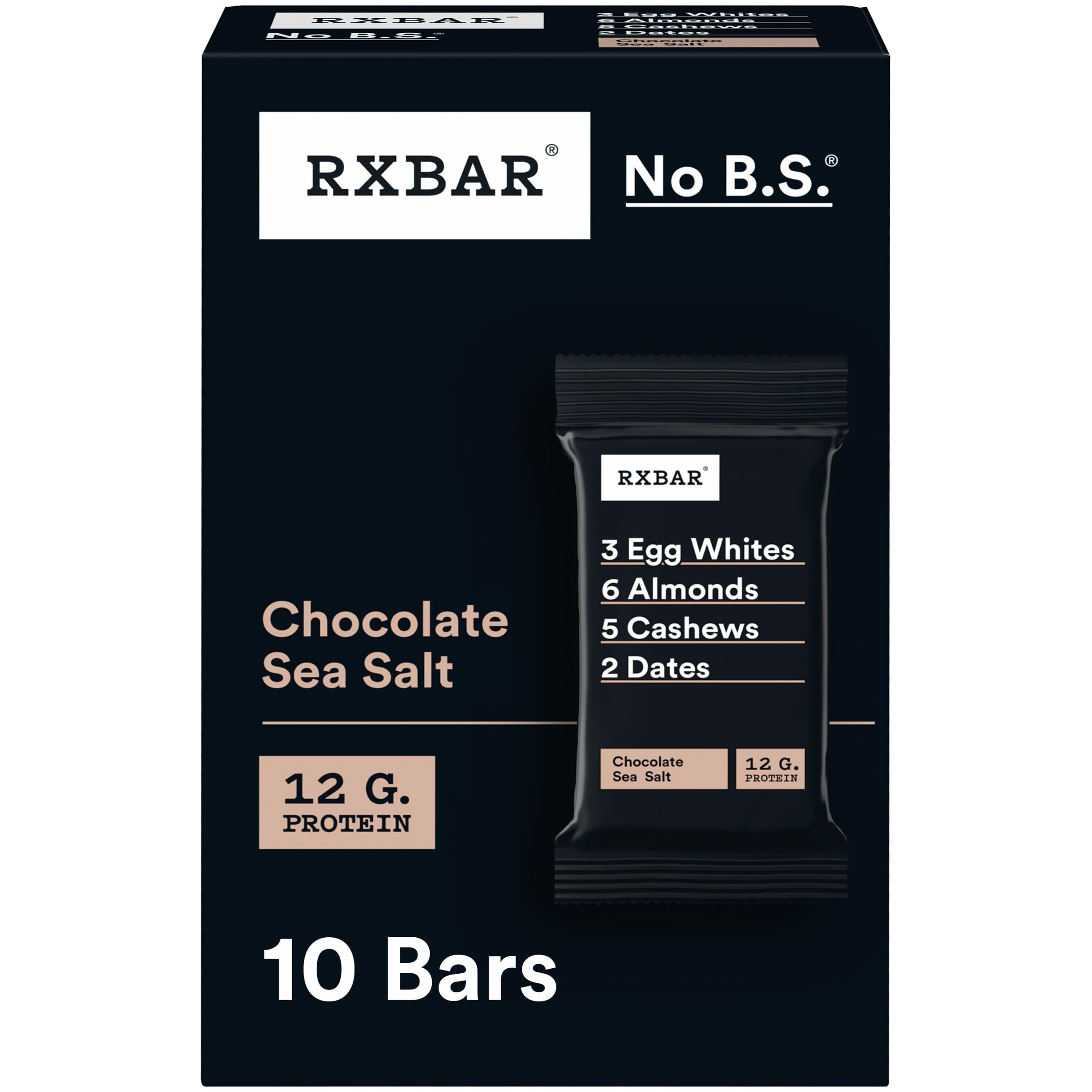
RXBAR Chocolate Sea Salt

RXBAR Chocolate Sea Salt

Clean ingredients

Our Score 8.8/10
Check Price

Worth Noting

  • 12g protein, the smallest hit here
  • Only 10 bars per box
Protein
0.42 oz
Gluten Free
Yes
Bars Per Box
10
Protein Source
Egg whites
Read the full review

Egg whites, almonds, cashews, dates. That's the bar, printed across the front of the wrapper in type you can read from across the room, and it's the shortest ingredient list in this roundup by a wide margin. Chocolate sea salt adds cocoa and salt to the same short list and nothing else of note.

What that buys you is a bar with no artificial sweetener and no sugar-alcohol aftertaste — it tastes like dates, nuts, and salt, which is either exactly what you want from a snack or not remotely what you want. The box holds 10 bars rather than the 12 most of these carry, so the count is worth noticing before you order.

The cost is texture. Dates are sticky, and these cling to your teeth in a way none of the other picks do; a mouthful of water handles it, and it's not the bar to eat right before a meeting or a long conversation. Dense and chewy is the whole proposition, so go in expecting to work for it a little.

Here's the detail that keeps it on this list despite the smallest protein number: those 12 grams come from egg whites, a complete protein, which is a different thing from 12 grams stretched out with collagen. If you read labels before macros, this is the one here made of food you can name, and the protein is honest even if it isn't the biggest figure on the page.

Bottom line: Pick this if the ingredient list matters more than the protein number — four recognizable ingredients, no sweetener aftertaste, and a chew that needs water.

#7

Quest Ultimate Variety Pack

Quest Ultimate Variety Pack

Low-carb diets

Our Score 8.6/10
Check Price

Worth Noting

  • Noticeable sweetener aftertaste in several flavors
Protein
0.71 oz
Bar Size
1.76 oz
Bars Per Box
12
Protein Source
Dairy-based blend
Read the full review

Twelve bars, twelve flavors. If you've never settled on a Quest flavor, the Ultimate variety pack is the sensible way to find out which ones you actually want, and because the macros barely move between flavors — 20 grams of protein, low carb, low sugar — the choice really is about taste rather than nutrition.

The catch is the chew. Quest bars are the densest in this group, and that's the price of 20 grams of protein in a 1.76-ounce bar made with dairy-based protein. We think the texture is the entire decision: if dense and slightly gummy doesn't bother you, these are a workhorse for a low-carb day; if it does, nothing else on the label will rescue them.

A few seconds in the microwave, out of the wrapper, softens them noticeably and turns the hardest flavors into something you can eat without a glass of water standing by. That trick alone moved these from a bar we tolerated to one we keep on hand.

Bottom line: Buy it for the twelve-flavor box and the low-carb macros, and only if you don't mind the densest chew on this page.

How We Tested 16 Low-Calorie Protein Bars

We started with a long list of more than 50 bars sold as singles, multipacks, and variety boxes, then filtered by the numbers that matter: under 200 calories, at least 12 grams of protein, 5 grams of sugar or less, and an ingredient list without a paragraph of syrups and artificial sweeteners. That left 16 bars, spanning whey, plant-based, and collagen formulas, which we tested over five months.

We ate them where people actually eat protein bars: at a desk around 3 p.m., in a gym bag after a workout, on day hikes, and in a carry-on during travel. Each bar got a side-by-side tasting against at least one other bar in the same flavor family, and we noted whether it tasted chalky, artificial, or genuinely good. Texture got equal attention — we recorded whether a bar chewed cleanly or glued to our teeth, whether it crumbled in the wrapper, and whether we needed water to get it down.

We also read every label twice, comparing protein grams per calorie and watching for sugar alcohols that left a cooling aftertaste. To gauge digestibility, we logged how we felt 30 to 60 minutes after eating each bar — whether it sat heavily, caused bloating, or actually held us until the next meal. Value came down to cost per bar and cost per gram of protein, not just sticker price. And because bars often spend weeks in a bag or car, we stored a few in warm and room-temperature spots to see if they hardened, melted, or turned stale before their best-by date. We tried multiple flavors from each line to judge variety, too.

How to Choose a Low-Calorie Protein Bar

Calories first, protein second

For a bar to work as a snack rather than a meal, most people are looking at a ceiling somewhere under 220 calories. Above that you're into meal-replacement territory, and the protein number stops being the interesting part of the label.

On this list, BUILT Puff is the only bar whose listing states a count at all — 140 to 160 calories against 15 to 17 grams of protein. For every other pick, the nutrition panel on the wrapper is the only place to confirm the number, so look before you commit to a case rather than after.

Low calorie is not the same as low sugar

A 140-calorie bar can carry 8 grams of sugar while a heavier bar carries 1, because sugar is only one input into the calorie total. BUILT Puff sits at the low end for calories and the higher end for sugar here; Barebells and ONE both run 1 gram.

Decide which number you're actually managing. If it's calories, don't assume the 1-gram-sugar bar is the lighter snack. If it's blood sugar, read the sugar line specifically and treat the calorie line as a separate question.

Texture decides whether you finish the box

Dense and chewy, crispy wafer, soft marshmallow — the chew is where this category splits hardest, and it's the one thing no nutrition panel will tell you. Quest is the densest bar here, Power Crunch the crispest, BUILT the softest, and RXBAR the stickiest.

Buy the smallest pack you can find first. A twelve-bar box of a texture you don't enjoy is twelve bars you won't eat, which is a worse deal than paying a little more per bar to try three flavors.

Read the bar weight, not just the protein

Twenty grams of protein means something different in a 1.76-ounce bar than in a 2.12-ounce one. The heavier bar is a bigger snack and brings more calories with it, even when the protein and sugar lines read the same.

Match the bar to the slot in your day: a 1.4-ounce wafer is the right thing twenty minutes before a run, while a 2.12-ounce bar belongs in the gap where lunch should have been.

Plan for shipping and shelf life

Chocolate-coated bars and warm weather don't get along. Coated bars can arrive soft, bloomed, or bent out of shape, and a box that spent an afternoon in a hot truck doesn't eat like the one you bought at a store.

Order in cooler months where you can, check the date code the day the box lands, and chill coated bars before eating if they show up soft. An 18-count box takes longer to work through than a 10-count, which matters if you eat one or two a week.

Frequently Asked Questions

Final Verdict

BUILT Puff is the bar we recommend first, for one unglamorous reason: it's the only one here that tells you its calorie count, and 140 to 160 calories against 15 to 17 grams of protein is exactly the trade a low-calorie protein bar should make. The marshmallow texture is a genuine pleasure on top of that.

If you need more protein per bar and don't mind checking the wrapper yourself, Barebells delivers 20 grams with 1 gram of sugar and the best texture in the group. And if the box has to last a month, Pure Protein's eighteen-count is the one to stock.