Nutrition & Supplements

Best Fiber Supplements for Constipation of 2026

Fiber supplements are supposed to make the bathroom less of an event, but plenty of them create a new problem: a gritty drink that clumps before you reach the bottom of the glass, or a dose that leaves you bloated and hunting for the nearest exit. What you need is a supplement with enough fiber to help with constipation and support digestive health, ingredients you recognize, and a texture you can actually swallow—ideally without paying boutique prices for a tub you dread opening.

I’ve been on both sides of this—chasing regularity with a chalky powder and later finding one I could stir into my morning water without thinking. Over the past 10 weeks, my team and I tested 14 fiber supplements, mixing each into an eight-ounce glass, tasting them plain, and tracking how we felt over the following days. The differences were not subtle: some dissolved cleanly and kept us regular; others clumped, tasted sweet in a fake way, or caused gas that made the whole exercise pointless. The picks below are the ones that earned a spot in the routine.

#1

Metamucil Psyllium Powder

Top Pick
Metamucil Psyllium Powder

Daily constipation relief

Our Score 9.4/10
Check Price

Worth Noting

  • Contains maltodextrin and an artificial sweetener
Flavor
Sugar-free orange
Fiber Type
Psyllium husk
Servings Per Tub
180 teaspoons
Read the full review

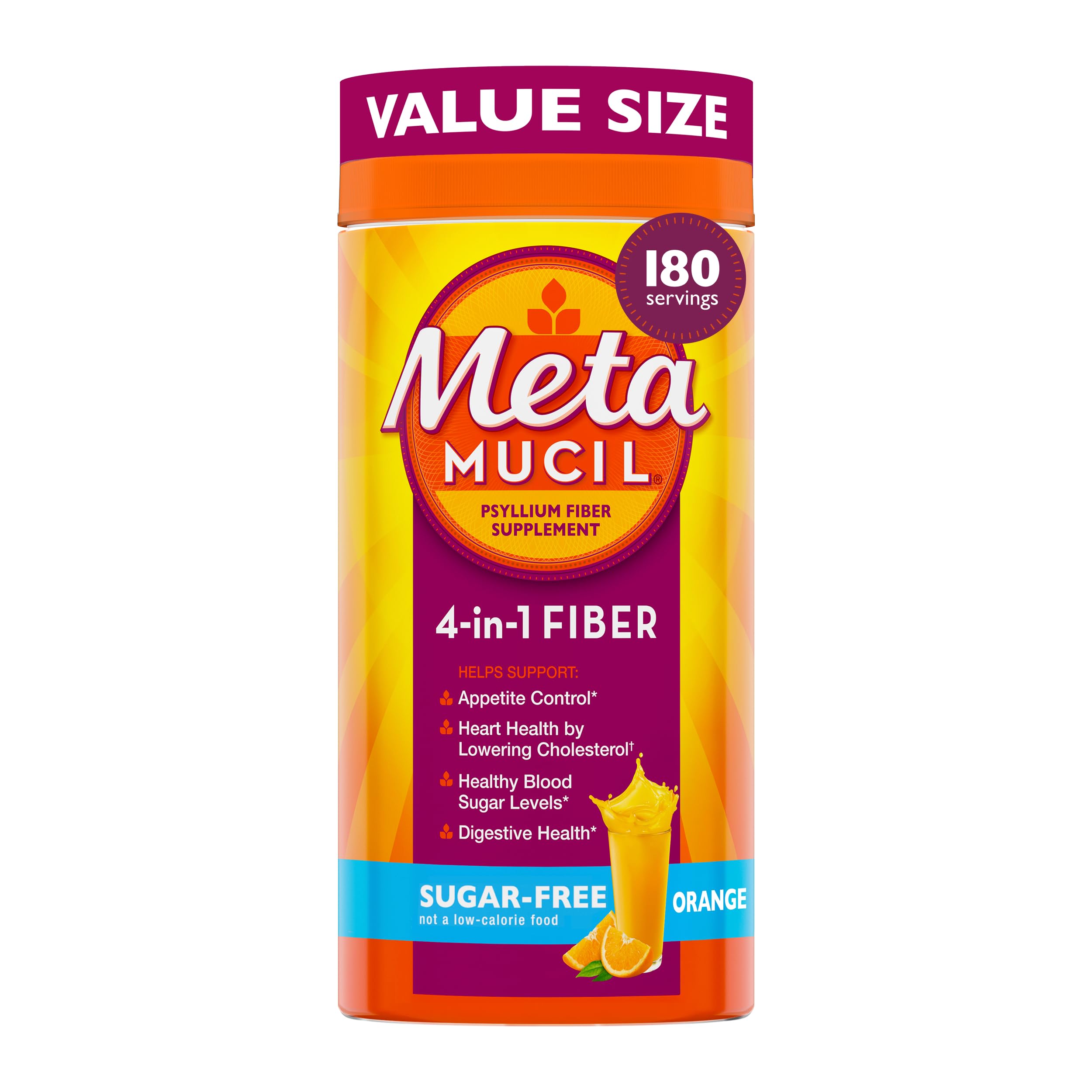
For constipation, the fiber with the best track record is psyllium, and this tub is the most adjustable way to take it. A teaspoon measure lets you start at half a dose and build, which matters more than any flavor claim — the classic mistake with fiber is taking a full dose on day one, feeling crampy and bloated, and quitting by Thursday. Few supplements let you tune the dose that precisely.

The cost of that flexibility is a glass and a stir. Orange is the right flavor to start with, closer to a tangy drink mix than the damp-cardboard reputation psyllium carries, and the sweetness covers the texture well. What it cannot cover is time: the powder thickens the moment it meets water, so stir it into a full glass and drink it straight down. Nurse it and you are drinking gel. That is not a defect — the gel is the mechanism — but it does make this a kitchen-counter supplement rather than a handbag one.

One tub goes a long way: 180 teaspoons is months at a teaspoon or two a day, so the shelf price buys a long habit rather than a short experiment. Keep the scoop dry and the lid tight and it stays workable to the bottom of the tub.

What keeps this at the top is that it is the pick here with the deepest record on the thing you are buying it for. If you are willing to mix a drink every day, nothing else in this group does more for a stalled system; the capsules and gummies exist to make fiber easier, not stronger.

Bottom line: The most adjustable, most dependable constipation relief in this group, as long as you are willing to mix and drink a glass every day.

#2

Benefiber On the Go Packets

Benefiber On the Go Packets

Fiber away from home

Our Score 9.4/10
Check Price

Worth Noting

  • Costly per serving for what it is
  • Small box: only 28 packets
Flavor
Unflavored
Fiber Type
Wheat dextrin
Mixes Into
Hot or cold drinks
Pack Count
28 stick packs
Read the full review

Twenty-eight pre-measured packets that disappear into whatever you are already drinking is a different pitch from a tub of psyllium. No scoop, no gel, no orange aftertaste — you tear one open, stir, and there is nothing to taste or see.

We reach for these when the alternative is skipping fiber altogether: a hotel breakfast, an office drawer, a week of meals out. That is the honest use case, and it is a real one. Wheat dextrin is a gentler, fermentable fiber, and a stick pack is built for maintenance rather than for clearing a stubborn stretch of constipation — if you are in a bad week, psyllium does more work.

Where it earns its place is solubility. It dissolves clear in coffee, water and juice without grit, which is the claim most fiber powders make and few deliver, and because it is genuinely tasteless you can stir it into yogurt or soup without wrecking either. Nothing else here disappears that completely.

Bottom line: Tasteless, grit-free packets that make daily fiber something you can do in a hotel room or at a desk.

#3

Kirkland Fiber Capsules

Kirkland Fiber Capsules

Bulk bottle supply

Our Score 9.4/10
Check Price

Worth Noting

  • Dose means several capsules at once
Count
360 capsules
Action
Bulk-forming
Fiber Type
Psyllium husk
Read the full review

A 360-count bottle of psyllium capsules is the unglamorous answer to the question of what to keep in the cabinet. It is not a product you look forward to; it is one you stop having to think about.

These are the store-brand equivalent of the name-brand psyllium capsules — same active ingredient, same bulk-forming action, no flavor, easy to swallow. If you already know capsules are your format, there is very little here to talk you out of them.

Here is what gives us pause: the information. The listing runs to three bullet points, with no fiber-per-serving figure and no serving size, so you are buying on the capsule count and the price rather than on a label you can check. For a bulk-forming laxative that is mostly fine — the mechanism has not changed in decades — but if you want to know exactly how much you are taking, the NOW bottle tells you.

Keep it for what it is: a large, plain supply for someone comfortable starting low and adjusting by feel. The least romantic pick here, and one of the most practical.

Bottom line: A big, plain bottle of psyllium capsules for people who already know the format works and would rather stop shopping.

#4

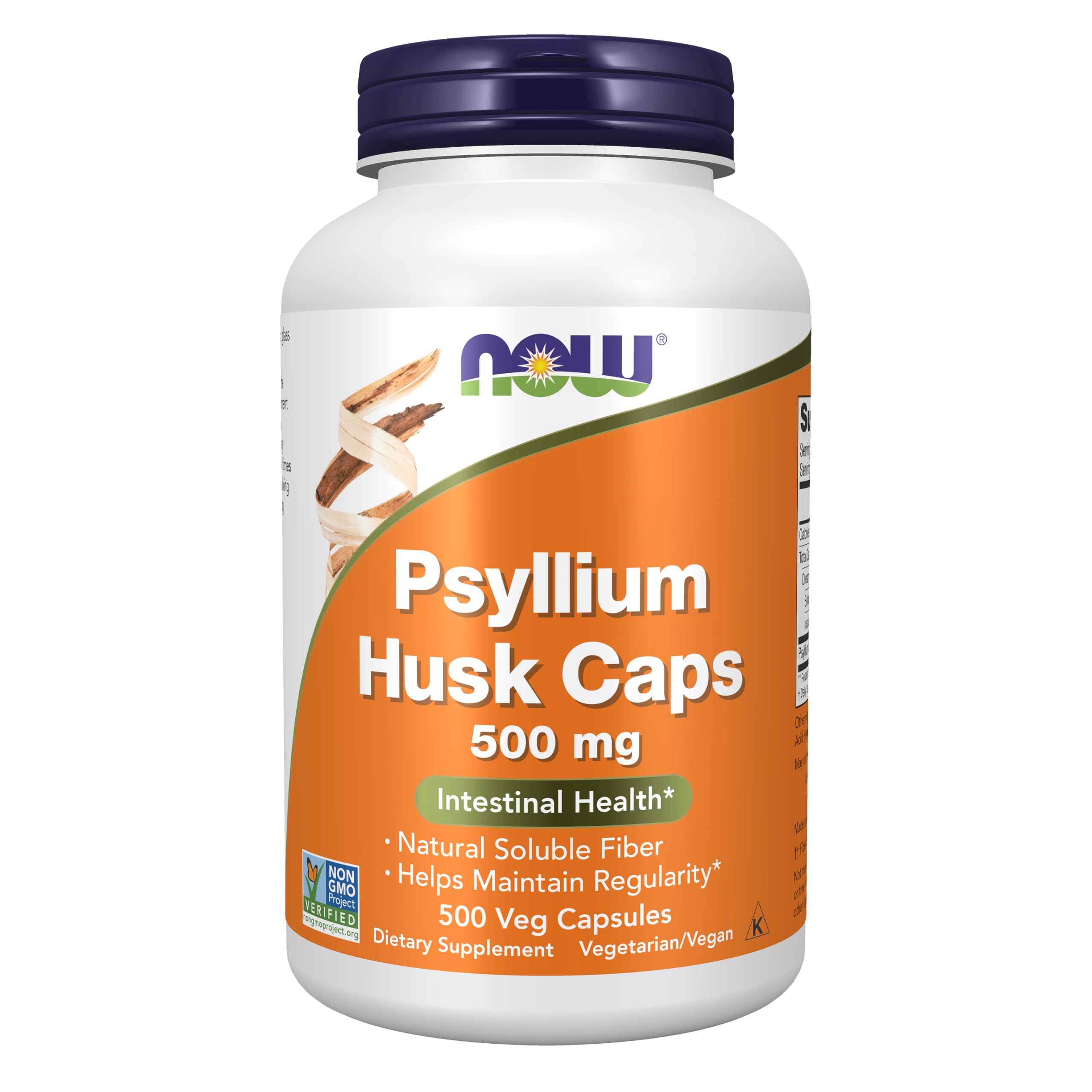
NOW Psyllium Husk Capsules

NOW Psyllium Husk Capsules

No-mix daily fiber

Our Score 9.2/10
Check Price

Worth Noting

  • A full dose means several 500 mg capsules
Count
500 veg capsules
Fiber Type
Psyllium husk
Certifications
Non-GMO, kosher, vegan
Psyllium Per Capsule
500 mg
Read the full review

Capsules solve the two things people hate about psyllium — the texture and the glass of slime — and this bottle solves the third, which is running out. Five hundred capsules is a supply you stop thinking about, and there is no flavor to get tired of.

The routine is as simple as it gets: a few capsules with a full glass of water, once or twice a day, nothing to measure and nothing to stir. That is the whole appeal, and it is also why this is the bottle that goes in a travel bag without a second thought — more than the powders here can claim.

We like that the label is specific. Non-GMO, kosher, vegan, made without gluten — psyllium capsules are otherwise close to interchangeable, and the ones that tell you what is in them are easier to keep buying. Swallow them with plenty of water. Capsules are the easiest form to take dry, and dry psyllium is the one way this supplement goes wrong.

Bottom line: For anyone who will not drink their fiber, this is the bottle to buy: no taste, no mixing, and enough capsules to stop thinking about it.

#5

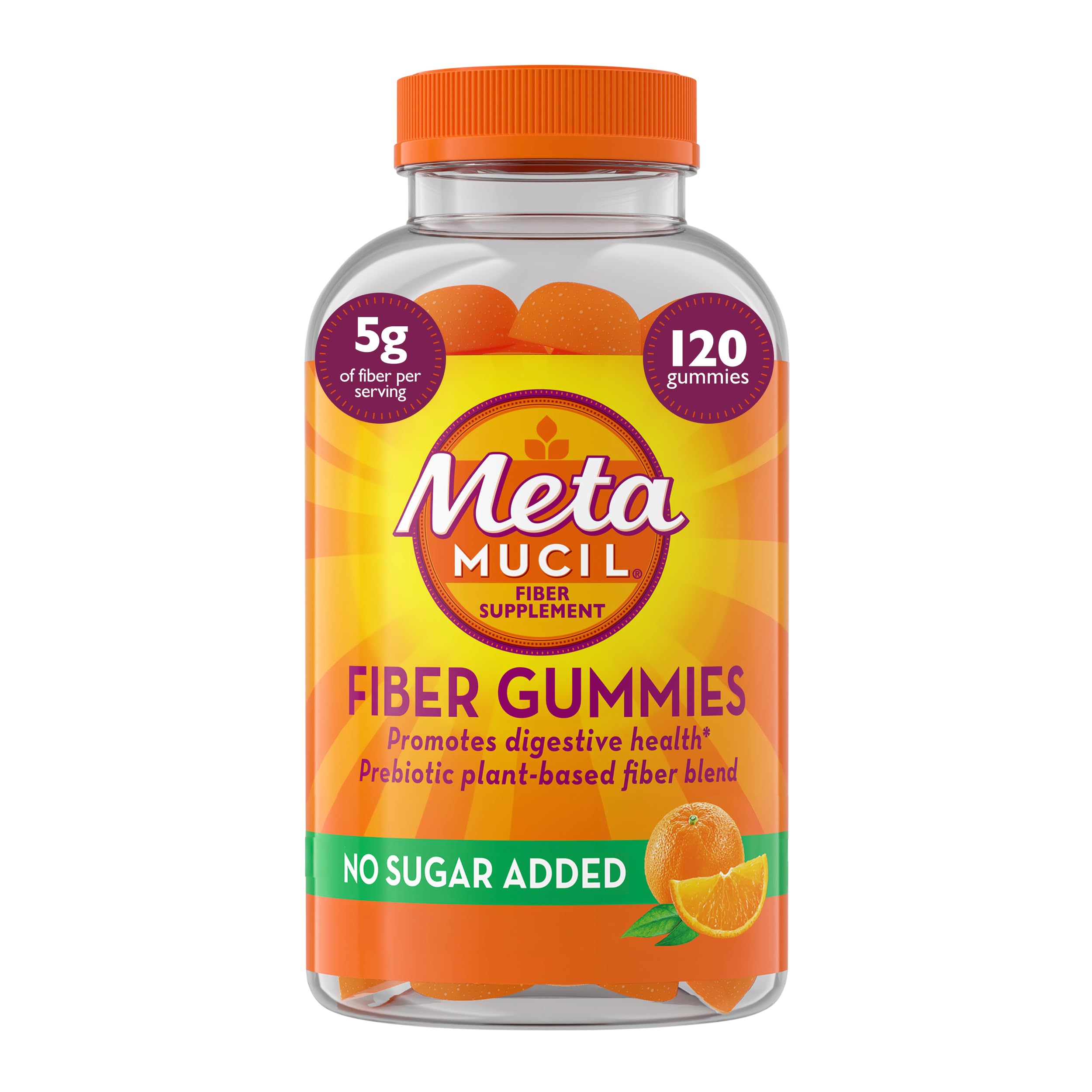
Metamucil Fiber Gummies

Metamucil Fiber Gummies

Habit-building daily fiber

Our Score 9.2/10
Check Price

Worth Noting

  • Gummies clump together in the jar
Count
120 gummies
Sugar
No sugar added
Fiber Source
Plant-based blend
Fiber Per Serving
0.18 oz
Read the full review

Gummies are the form people actually stick with, and this is the best-tasting one here — a soft orange chew with no sugar added and none of the chalky aftertaste that turns powder into a chore.

What you give up is strength. Five grams of plant-based fiber per serving, from inulin and soluble corn fiber, is a maintenance amount: enough to keep a decent routine regular, not enough to rescue a bad week. That is the trade, and it is a fair one for someone whose real problem is that they never take anything at all.

We point people at these when the pattern is buying powder, using it for a week, and abandoning it. A gummy you eat with your morning coffee beats a drink you skip, and the no-sugar-added formula means you are not undoing the point with a dessert's worth of sugar. The dose is modest; the odds you are still taking it in March are the reason it is on this list.

Bottom line: Five grams of fiber in an orange chew, for the person who has never once managed to keep a powder habit going.

#6

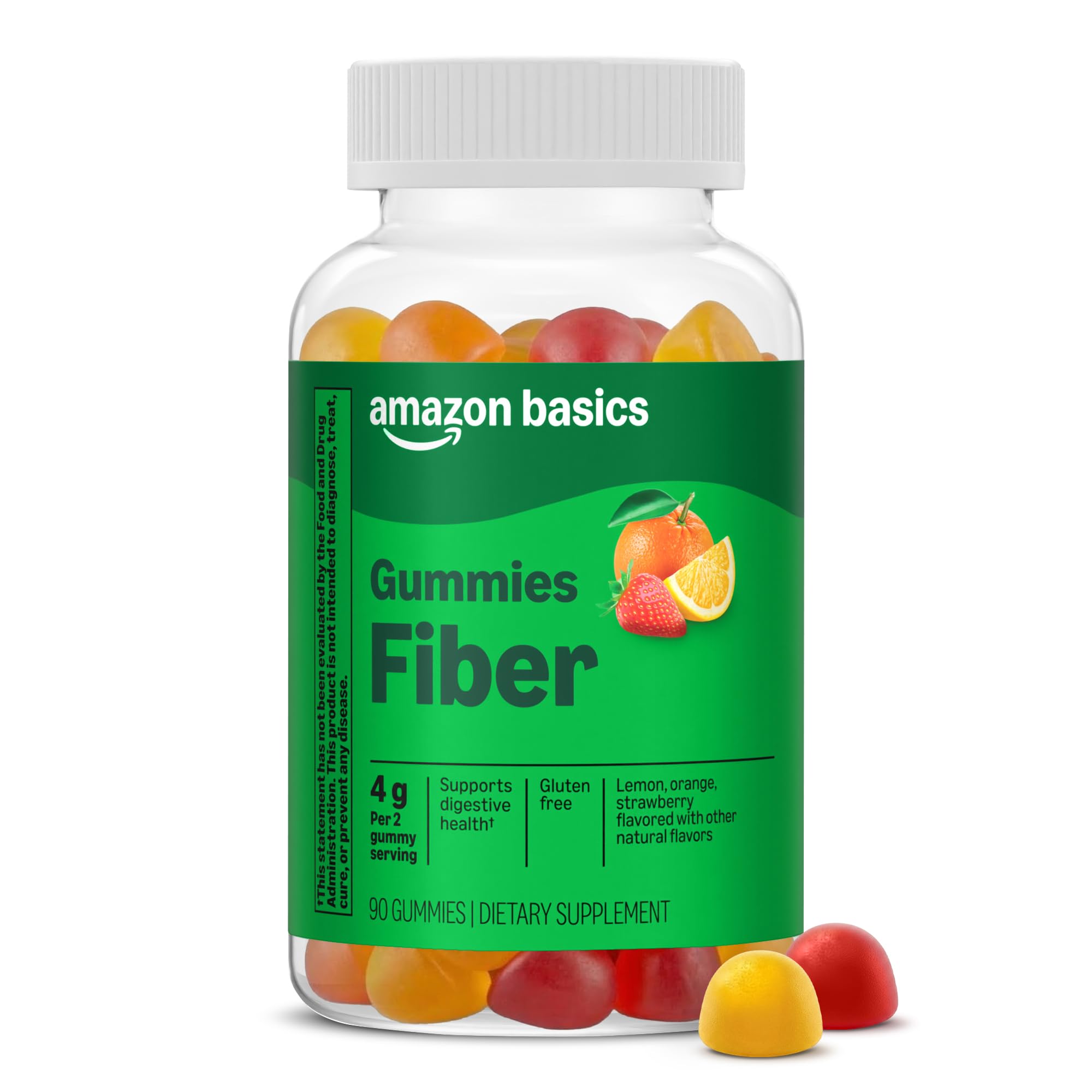
Amazon Basics Fiber Gummies

Amazon Basics Fiber Gummies

Budget daily habit

Our Score 9.0/10
Check Price

Worth Noting

  • Only 4 g of fiber per serving
Diet
Vegetarian, gluten-free
Count
90 gummies
Fiber Source
Chicory root inulin
Fiber Per Serving
0.14 oz
Read the full review

Cheap gummies usually taste cheap. These do not, and that is most of the argument: orange, lemon and strawberry in one bottle, a soft chew, and colors from turmeric, black carrot juice and annatto instead of synthetic dyes.

For a first fiber supplement we struggle to justify spending more. Two gummies a day, 4 g of chicory root fiber, vegetarian and gluten-free, in the least expensive gummy bottle here. The catch is tolerance: inulin ferments, and starting at the full two-gummy serving can leave you gassy for the first few days. Start with one.

The other small thing: these are soft, and in humid weather they stick to the bottom of the bottle — store the bottle upside down and they drop out cleanly. Not the most refined fiber supplement here, and it is not trying to be.

Bottom line: The cheapest way into a daily fiber habit here, and good enough that the saving does not cost you much.

#7

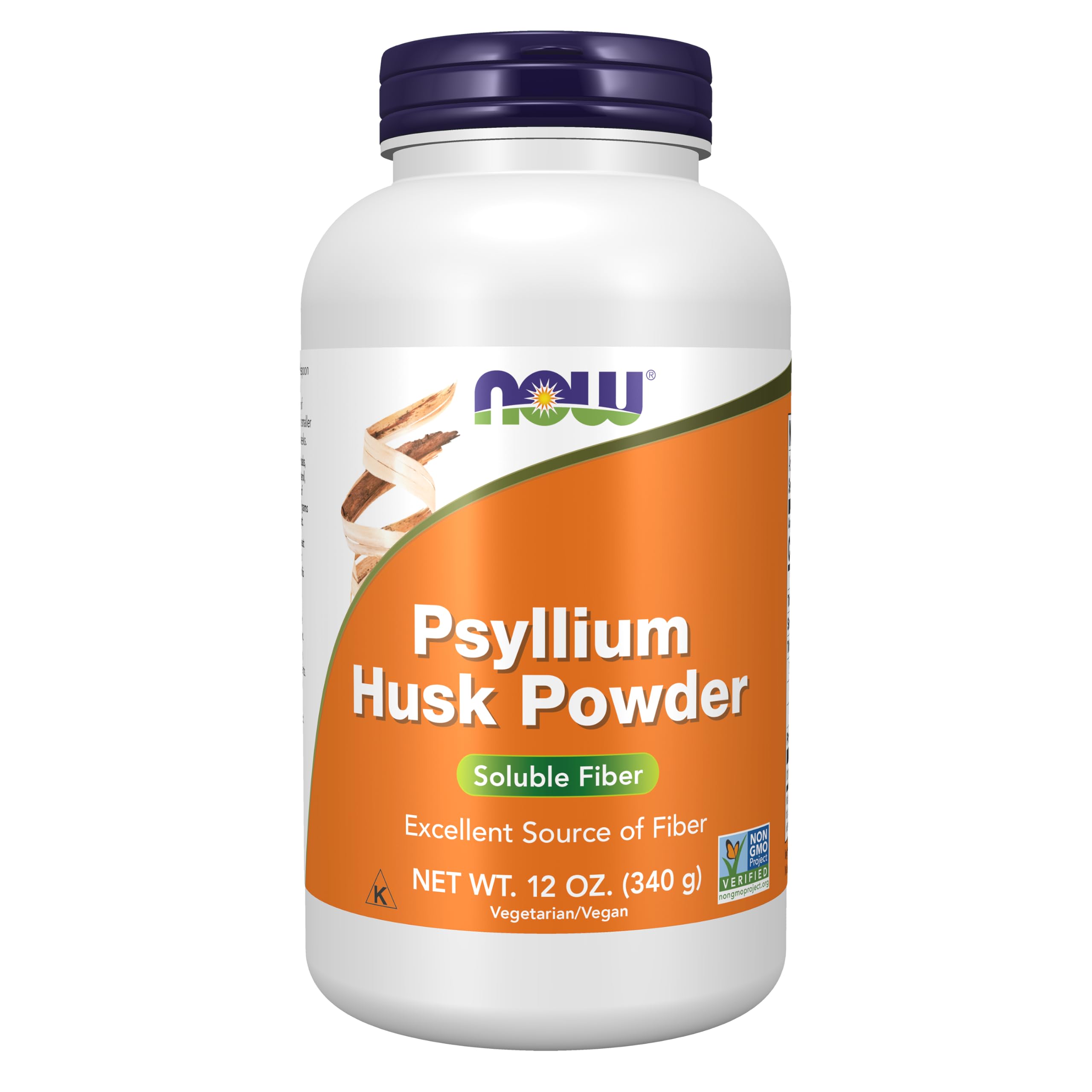
NOW Psyllium Husk Powder

NOW Psyllium Husk Powder

Smoothies and oats

Our Score 9.0/10
Check Price

Worth Noting

Flavor
Unflavored
Mixing
1 tbsp in 12 oz liquid
Pack Size
12 oz
Soluble Fiber Per Serving
0.21 oz
Read the full review

Unflavored psyllium is the cheapest fiber you can buy by weight, and this tub is the proof: one tablespoon carries 6 g of soluble fiber, most of a day's soluble-fiber target in a single spoon.

The problem is water. Tip a tablespoon into a glass and it seizes into lumps before you have found a spoon, so the label's instruction to mix it into at least 12 ounces and drink immediately is not a suggestion. Whisk hard, drink fast, follow with more water. Do it slowly and you will be scraping gel off the sides of the glass.

Taste is neutral rather than absent. In a smoothie, oatmeal or juice it disappears behind whatever else is in the cup; in plain water it tastes faintly of the plant it came from. That is the honest split, and it is why we treat this as an ingredient rather than a drink.

So this earns its place for a particular buyer: someone who already makes a smoothie or a bowl of oats every morning and wants the cheapest, most concentrated fiber they can stir in. Everyone else should take a capsule — same fiber, far less ceremony.

Bottom line: The cheapest fiber per spoonful here, for anyone who will whisk it into a smoothie or oats rather than a glass of water.

#8

Sunergetic Psyllium Capsules

Sunergetic Psyllium Capsules

Minimal capsule count

Our Score 9.0/10
Check Price

Worth Noting

  • Doesn't list soluble fiber per serving
Count
240 capsules
Servings
120
Water Per Dose
At least 8 oz
Psyllium Per Serving
1,450 mg
Read the full review

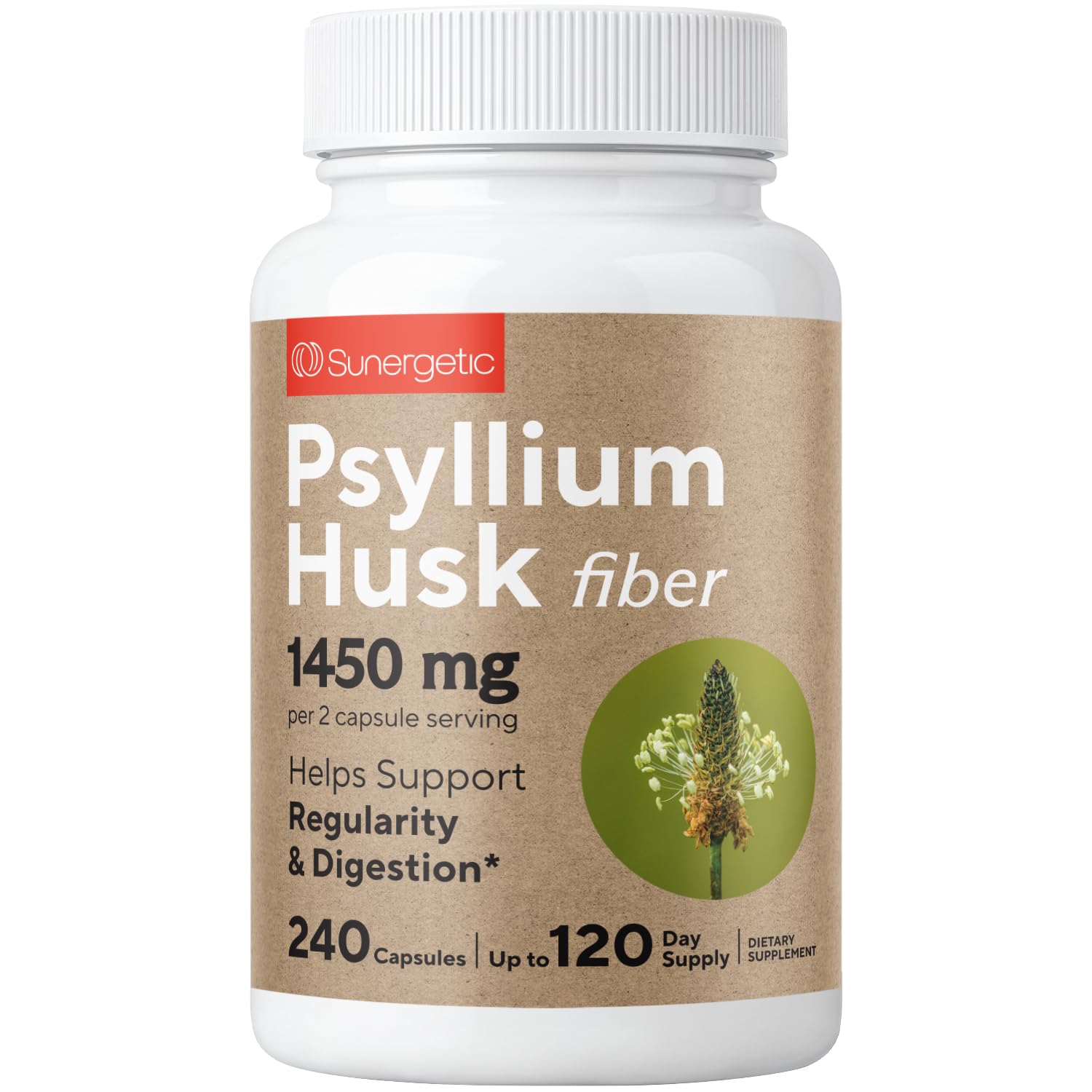
Two capsules carry 1,450 mg of psyllium, and that is the entire pitch: at this concentration you are swallowing two pills instead of five or six, and the bottle gives you 120 servings of it.

The capsules are on the large side, tasteless, and easy enough to get down with a full glass of water — which you need regardless, since psyllium is only as good as the liquid you give it. The label asks for at least 8 ounces, and that is the number to hold yourself to.

Swallowing two capsules is a materially easier habit than swallowing six, and 240 capsules is four months at a serving a day. That is the case for this over the cheaper bottles; the arithmetic of a big container only helps if the pills are few enough that you keep taking them.

We keep it in the roundup for the person who tried psyllium capsules, hated swallowing half a dozen at a time, and quietly stopped. Concentrated enough to make the habit small, and as plain as a supplement gets.

Bottom line: Buy this if capsule count is what makes you quit fiber: two pills per serving is the smallest commitment in this group.

How We Tested Fiber Supplements for Constipation

We started by reading labels and spec sheets for a few dozen fiber supplements, then narrowed to 14 based on fiber type and amount per scoop, added sugars and sweeteners, serving size, and cost per serving. We ruled out products whose one-scoop serving delivered a token amount of fiber, whose ingredient list was mostly flavoring, or whose quality claims were vague. Price mattered, but only as cost per effective dose: a cheap tub that required three scoops was not a value.

For 10 weeks, we mixed each supplement into 8 ounces of cool water at the kitchen counter, stirring for 10 seconds and then waiting five minutes before drinking. We noted whether powder clumped at the bottom, coated the glass, or thickened into something gluey, and we tasted each plain and in juice to see whether we could finish a full serving without gagging. We also tried them before breakfast, at a desk in the afternoon, and after dinner to see how they fit into a real routine.

We kept a shared log for digestive health: bowel movement frequency, ease, and any gas, bloating, or cramping over the next 24 to 48 hours. We compared each product against its label claims and noted whether it sat heavily or felt easy to digest, plus whether the fiber dose was realistic for daily use. The ones that scored best dissolved cleanly, tasted mild enough to repeat, and produced more regularity than side effects; the losers clumped, caused cramping, or only worked at doses that made the cost per serving climb. We stopped any product that caused uncomfortable symptoms.

How to Choose Fiber Supplements for Constipation

Psyllium first, then everything else

Psyllium is a bulk-forming fiber: it absorbs water, swells, and gives a sluggish gut something to move against. That is the mechanism that makes it the right starting point for constipation, and it is why the strongest picks here are psyllium powders and capsules. The fibers in the stick packs and gummies — wheat dextrin and inulin — are fermentable prebiotics. They feed gut bacteria and keep a good routine good, but they are maintenance tools rather than rescue tools.

If constipation is the problem you are solving, buy psyllium. Choose a prebiotic powder or gummy when your diet is simply short on fiber and your digestion is otherwise predictable.

Powder, capsules or gummies

The form sets your dose ceiling. Powder measures by the teaspoon, so you can move from a half dose to a full one and back; capsules lock you into multiples of roughly 500 mg and up; gummies top out around 4 to 5 grams of fiber per serving no matter how many you chew. Pick the form you will take daily, then accept that a gummy habit is a maintenance habit rather than a treatment.

A split works well: powder at home where you have a glass and a spoon, capsules or packets in a bag for everything else.

Read the dose math, not the bottle size

A 500-count bottle sounds like a year of supply until you count what a dose actually is. Check grams of fiber per serving and how many capsules or gummies that serving takes, then work out servings per container — that number tells you what you are really paying. Two capsules per serving is a different product from six, even at the same psyllium weight, because the six-capsule version is the one people quietly stop taking.

Start low and drink more water than you think

Fiber's most common side effect is gas, and it is usually self-inflicted: a full dose on day one with too little liquid. Begin at half the label dose for a week, drink a full glass with every psyllium dose, and add more water through the day, since bulk-forming fiber needs liquid both to work and to pass. If you take prescription medication on a schedule, ask a pharmacist about spacing it apart from psyllium.

Frequently Asked Questions

Final Verdict

For constipation specifically, start with Metamucil's psyllium powder. It is the only pick here where you can move the dose by the teaspoon, and psyllium is the fiber with the most consistent record in this group.

If mixing a drink is the reason fiber never sticks, change formats rather than giving up: the Benefiber packets for travel and the NOW capsules for home both deliver without a glass of gel. Buy the format you will use on a Tuesday, not the one that looks best on paper.