Nutrition & Supplements

Best Clean Organic Protein Powders of 2026

A clean protein powder should solve a simple problem: getting more protein without a scoop of artificial sweeteners, unnecessary gums, or a chalky mouthfeel you have to power through. The trouble is that clean often means grassy, gritty, or so thin it disappears in milk. I have learned to read the ingredient panel first, then judge everything else in the glass, because a short ingredient list is only useful if you will actually drink the stuff.

Over the past six months, my team and I have worked through 14 organic protein powders in morning shakes, post-workout shaker bottles, and blended smoothies. We paid attention to which ones dissolved without a foam cap, which sat heavy, and which tasted like something I would finish on purpose. The best ones shared a few traits: recognizable ingredients, a texture that did not turn gluey, and enough protein per scoop to make the price feel reasonable. The picks below are the ones we kept reaching for after the novelty wore off.

#1

Orgain Organic Protein + Superfoods

Top Pick
Orgain Organic Protein + Superfoods

Value daily shakes

Our Score 9.2/10
Check Price

Worth Noting

  • Sweetness lands stronger than the sugar count implies
Superfoods
50 organic superfoods
Added Sugar
0.04 oz
Certification
USDA Organic
Protein Per Serving
0.74 oz
Read the full review

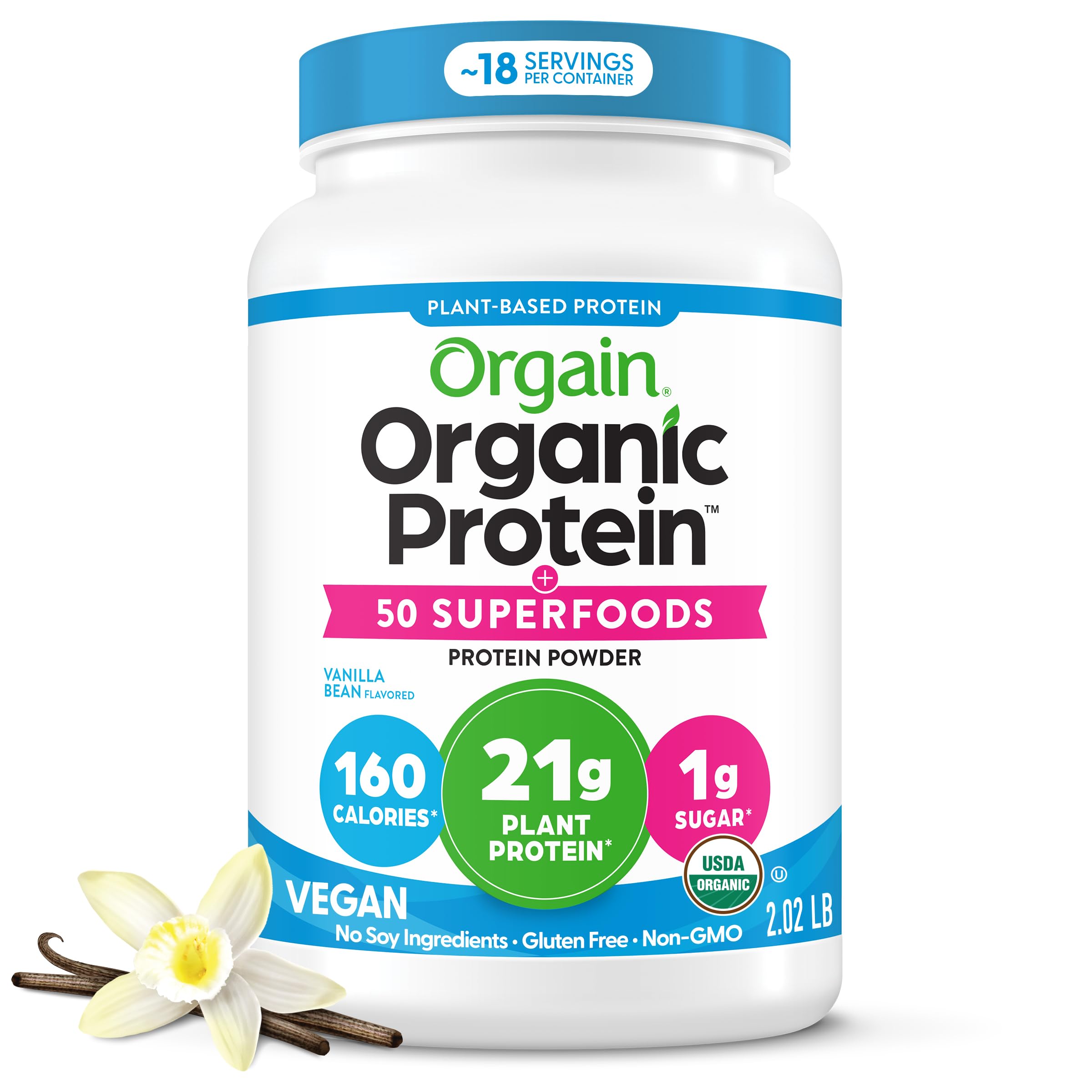
Value is the easy part of the case: this is the least expensive flavored powder here, and it still delivers 21 grams of plant protein from pea, brown rice and chia with a single gram of sugar. We're also fond of the 50-superfood blend — kale, spinach, turmeric, flax, acai and the rest — because it turns a plain shake into something closer to a green drink without a second scoop. That combination is why it earns a place beside a pricier top pick.

Texture is where it asks something back. In a shaker bottle it stays a little sandy; run it through a blender with almond milk and a banana and it turns creamy, and that's the version worth making. Sunwarrior mixes more cleanly if a shaker is all you keep at the office. Pea protein also sits heavily with some digestions, so if pea-based powders have bothered you before, start with half a scoop and build up.

The blend is what makes this the most versatile tub in the group. The vanilla is mild enough to disappear into oats, yogurt or a green smoothie without fighting the fruit, which is more than the chocolate-leaning picks manage. Ours has ended up in more breakfasts than shakes.

Bottom line: Buy this if you want 21 grams of protein and 50 superfoods for less than the premium tubs — just expect a sweeter, grittier shake.

#2

Sprout Living Pumpkin Seed Protein

Sprout Living Pumpkin Seed Protein

Unflavored smoothies

Our Score 9.2/10
Check Price

Worth Noting

  • Gritty unless you use a blender
Flavor
Unflavored
Ingredients
Organic pumpkin seed
Certification
USDA Organic
Protein Per Serving
0.71 oz
Read the full review

The ingredient list is one line long: cold-pressed organic pumpkin seeds. No gums, no fillers, no stevia, no natural or artificial flavoring — a label you can read in a second and then stop thinking about, which is the entire reason to shop in this category.

What that buys you is control. A scoop delivers 20 grams of complete protein with all nine essential amino acids, plus magnesium, zinc, iron and omega fatty acids that come from the seed itself rather than a fortification blend, and the flavor is mild and slightly nutty. We think it's at its best in a banana-and-oat smoothie, where it adds body without announcing itself. Unsweetened doesn't mean tasteless, though — there's a vegetal edge that a vanilla drinker will notice on the first sip.

The bag is a pound, so a daily scoop empties it quickly, and that's the argument for keeping a cheaper everyday tub alongside this one rather than making it your only powder. What you're buying is an ingredient list with nothing to explain, and for some drinkers that's worth the smaller format.

Bottom line: For anyone who wants protein and nothing else: one ingredient, 20 complete grams per scoop, and no sweetener to argue with.

#3

EarthChimp Organic Vegan Protein

EarthChimp Organic Vegan Protein

Everyday chocolate shakes

Our Score 9.0/10
Check Price

Worth Noting

  • Highest-priced tub in this group
  • Monk fruit sweetness has a distinct finish
Sweetener
Monk fruit
Added Sugar
0 g
Certification
USDA Organic
Protein Per Serving
0.71 oz
Read the full review

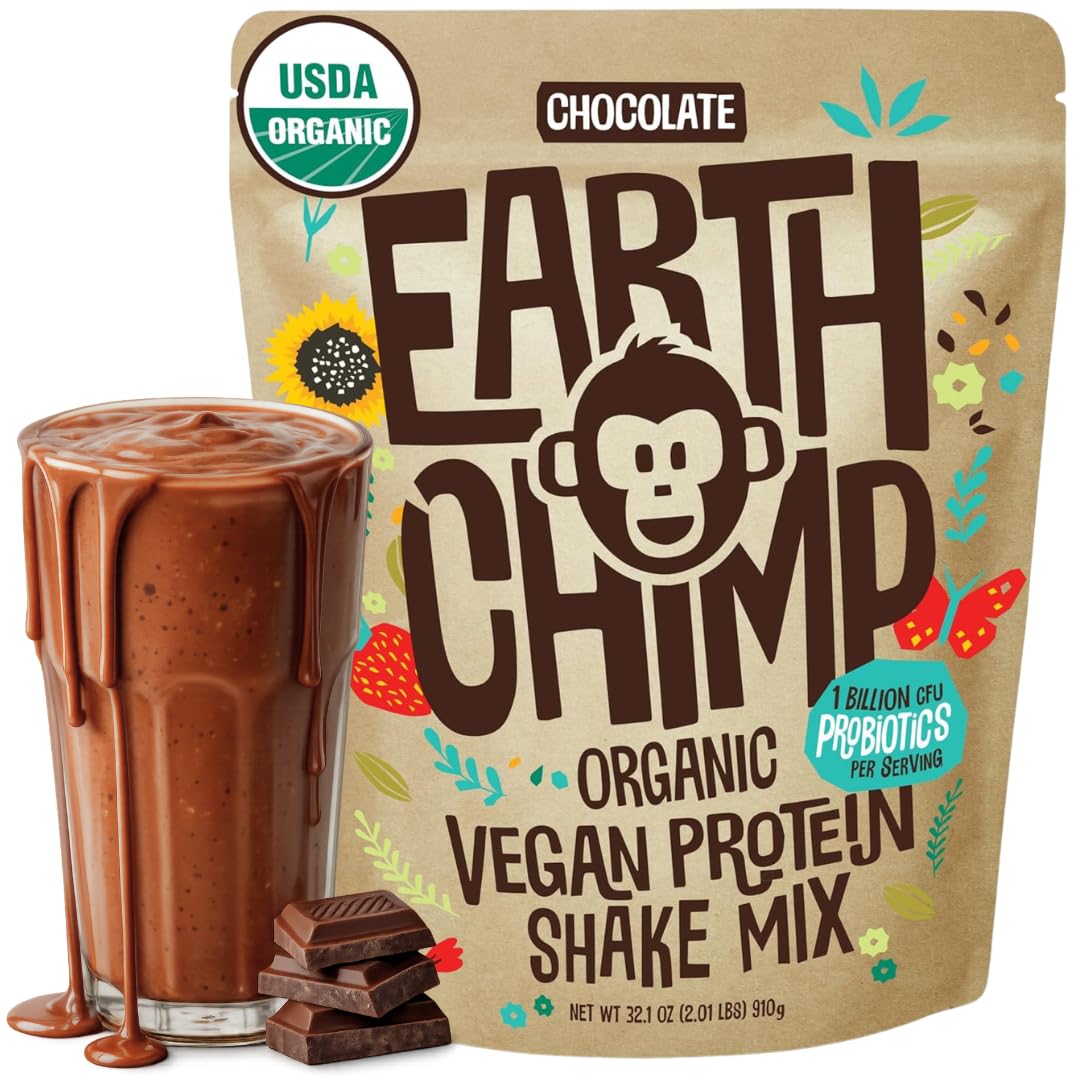
Monk fruit instead of stevia is the decision that won us over. Stevia is the reason so many organic tubs taste like a sweetener with protein mixed in, and EarthChimp sidesteps it: the chocolate is built on organic cocoa, dates, banana, baobab, cinnamon and turmeric with a little monk fruit for sweetness, and nothing else in the sweetener column. No erythritol, no sugar alcohols, no carrageenan, no artificial sweeteners. For a powder you're buying specifically because the label is short, that's the whole ballgame.

The numbers hold up too. Each 35-gram serving gives 20 grams of plant protein with all nine essential amino acids, 4 grams of fiber and 120 calories, plus a billion CFU of probiotics, and the added sugar count is zero. Twenty grams is squarely mid-pack among these picks rather than the highest, but it's a scoop you can drink with plain water instead of one you have to bury in a smoothie, and that's worth more day to day than an extra gram or two.

Where clean-label powders usually fall down is texture, and this one mixes into a genuinely smooth shake with a chocolate that reads dark rather than candy-sweet. The catch is cost: it's the priciest tub in this group, and monk fruit has a distinct finish that a stevia habit can make seem odd at first. Neither bothered us enough to move it off the top spot.

Bottom line: Our pick for a daily organic shake: the shortest ingredient list here, no stevia or sugar alcohols, and a chocolate we actually finish.

#4

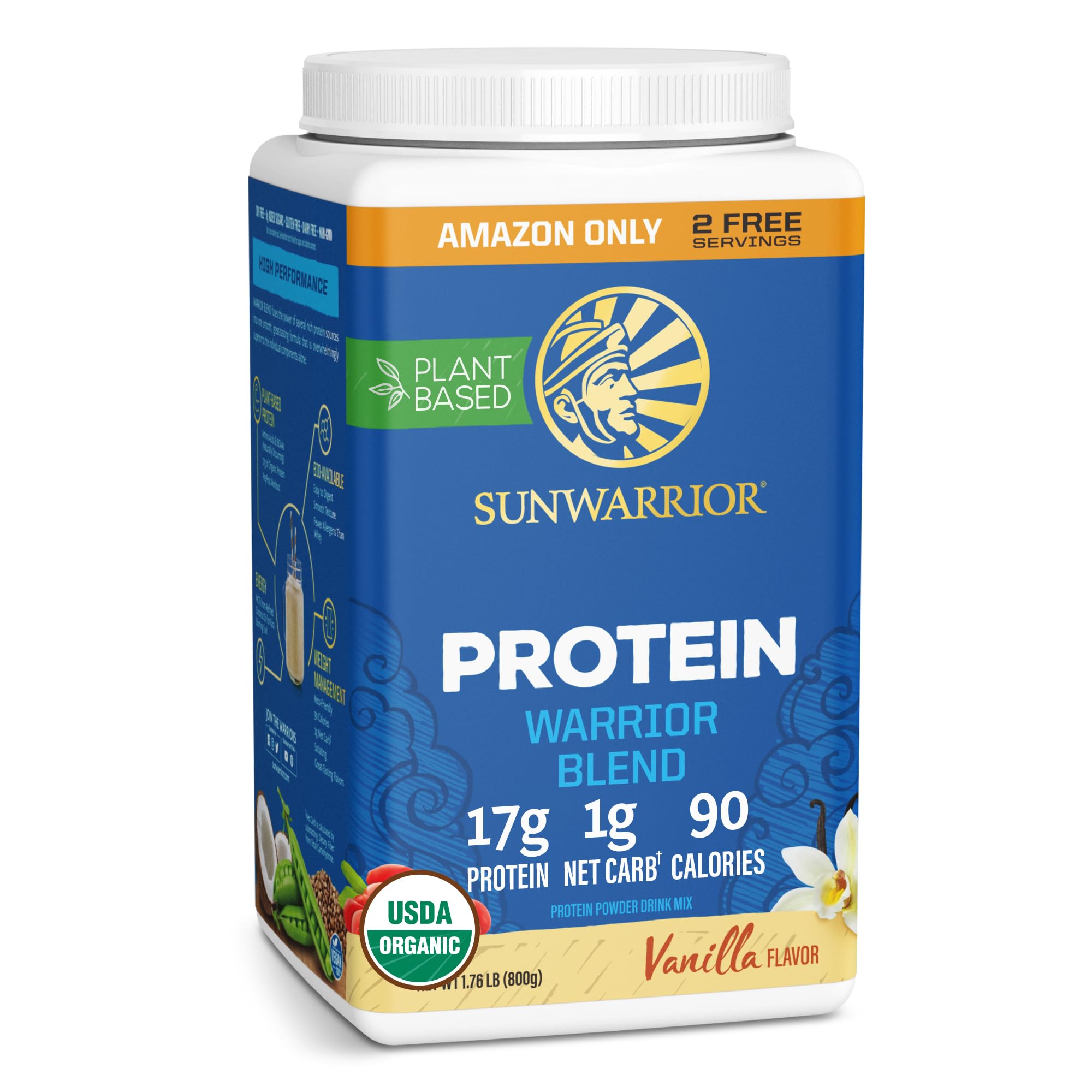
Sunwarrior Warrior Blend

Sunwarrior Warrior Blend

Sensitive stomachs

Our Score 9.0/10
Check Price

Worth Noting

  • Chalky if you only use a shaker
  • Priced alongside the premium tubs
Flavor
Vanilla
Servings
32
Package Weight
1.76 lb
Protein Source
Multi-source plant blend
Read the full review

Anyone switching off whey is the person this was built for. Warrior Blend fuses several plant protein sources specifically to land close to whey's amino acid profile, which takes most of the worry out of the switch — the worry being that a plant powder won't support the same training.

Digestion is where it separates itself from the rest of the group. Pea-heavy blends are the ones that fight back, and this multi-source formula is the pick we point people to after a powder has turned on them. It also mixes cleanly into almond milk or a smoothie without clumping, which puts it near the top of this set for blendability.

Texture is where the enthusiasm cools a little: fine in a blender, chalky if you only shake it, and not milled as finely as the EarthChimp. At 32 servings it's priced with the premium picks, so you're paying for the blend rather than the volume — a fair trade if a protein powder has ever disagreed with you, and hard to justify if it hasn't.

Bottom line: The one to choose if plant protein has upset your stomach before; its multi-source blend goes down easily and mixes cleanly.

#5

Nutiva Raw Hemp Seed Protein

Nutiva Raw Hemp Seed Protein

Budget smoothies

Our Score 8.8/10
Check Price

Worth Noting

  • Sandy texture in every preparation
  • Grassy flavor needs fruit to mask it
Flavor
Unflavored
Package Size
16 oz
Certification
USDA Organic
Protein Source
Hemp seed
Read the full review

Price is the headline: this is the least expensive way into organic protein here, and it's a single ingredient — cold-pressed raw hemp seed, USDA Organic, Non-GMO, no additives of any kind. If the goal is more plant protein in your day for as little money as possible, this is where the group starts.

It's also the one we treat as an ingredient rather than a shake. Hemp has a grassy, green flavor that no amount of shaking hides, and the texture is sandy; a ripe banana and a spoon of peanut butter in the blender is what makes it drinkable. What you get in return is a protein that sits easily and stirs into oatmeal, yogurt or a smoothie without clumps.

Buy it for what it is: a cheap, clean way to add plant protein to food you're already eating, not a replacement for a flavored shake you look forward to. If the single-ingredient idea appeals but you want a milder flavor and more protein per scoop, Sprout Living's pumpkin seed is the step up.

Bottom line: A cheap, clean way to add hemp protein to smoothies and oats — not a shake you'll drink on its own.

#6

Garden of Life Protein & Greens

Garden of Life Protein & Greens

Greens and protein

Our Score 8.8/10
Check Price

Worth Noting

  • Chalky and grainy even after blending
  • Only 20 servings per tub
Greens
6 organic greens and veggies
Probiotics
1.5 Billion CFU
Certification
USDA Organic
Protein Per Serving
0.71 oz
Read the full review

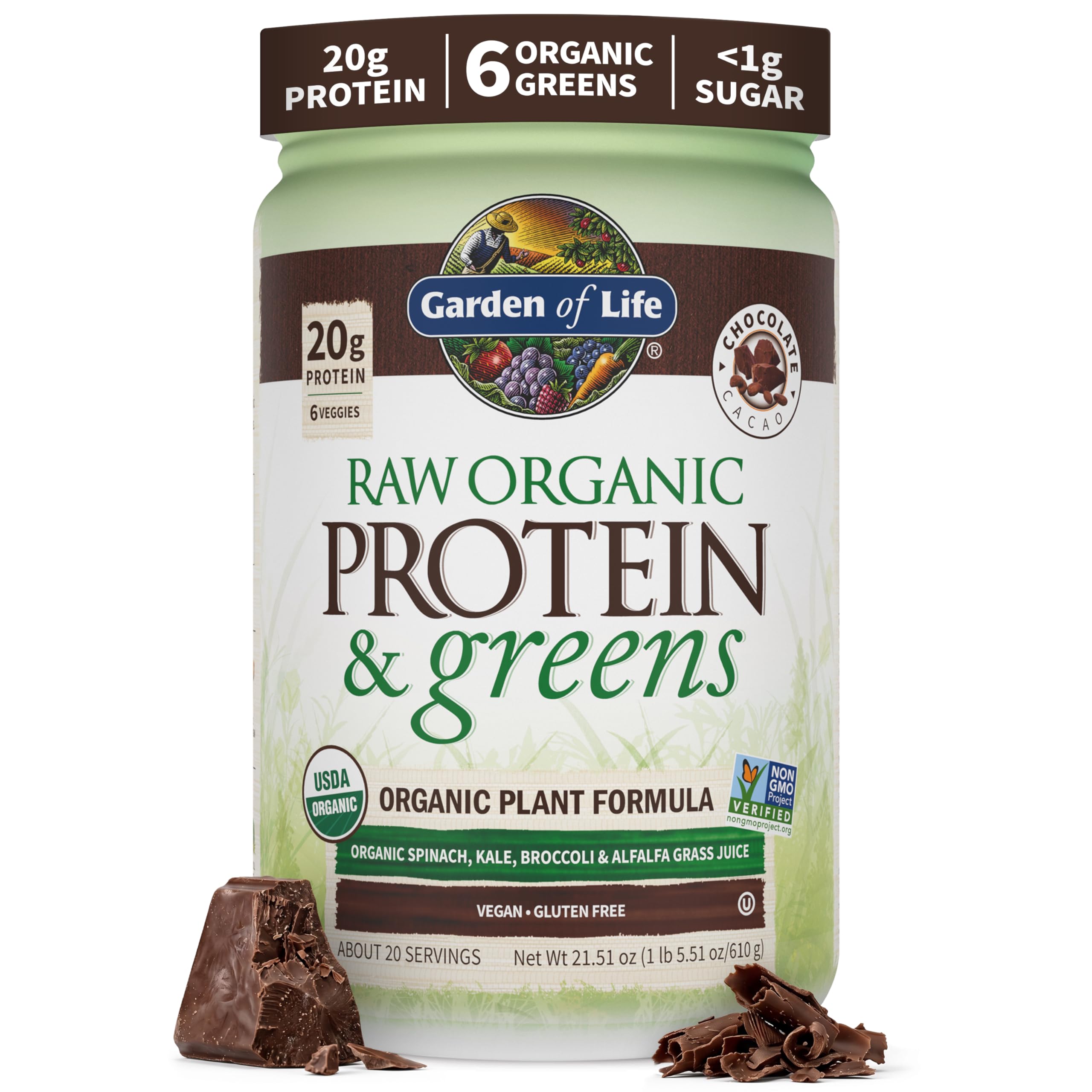
Twenty grams of protein from peas and sprouted grains, seeds and legumes, six organic greens including spinach, kale, broccoli and alfalfa, 1.5 billion CFU of probiotics and 13 enzymes — this is the busiest label in the group, and the only one here that's as much a green drink as a protein shake.

The certifications are the part that matters for some buyers: USDA Organic, NSF Certified Gluten Free, vegan, kosher, and Informed Choice Trusted by Sport, which is the one to look for if you're ever tested. That's a serious paper trail for a powder at this price, and it's the reason we keep it in the rotation rather than writing it off on texture alone.

Flavor is the compromise. The chocolate doesn't read very chocolatey — more cocoa-adjacent — and it wants a banana or some berries alongside it. We come back to it for the mornings when a plain shake feels thin, because the greens and probiotics do something a straight protein powder doesn't. It's a rotation powder rather than the daily default.

Bottom line: Worth it if you want greens and probiotics alongside your protein, provided you can live with a chalky texture and a short tub.

How We Tested 14 Organic Protein Powders

We started with a wide list of organic protein powders, read every ingredient panel, and narrowed it by protein source, certifications, scoop size, and cost per serving. From that group, we chose 14 powders to test over six months. The point was not to find the most heavily fortified scoop but the one we could use daily without a stomachache or a shaker bottle full of foam.

Each powder went through the same ordinary routines: a quick shaker bottle with water before work, a milk-based shake after a run, and a blended smoothie with frozen banana on weekends. We shook for 20 seconds, then checked the bottom for clumps and the sides for foam; in the blender, we noted whether the powder thickened into paste or stayed drinkable. We also stirred a few into oatmeal and yogurt to see how they behaved outside a glass.

Taste and texture were judged plain first, then in a smoothie, because a powder that needs half a banana to be palatable is not a good value. We compared cost per serving at the scoop size we would actually use and asked whether the protein count made the powder a meal anchor or just a garnish. Finally, we logged how each one sat: any bloating, cramps, or heavy fullness in the next few hours, plus whether it kept us full until lunch.

How to Choose Clean Organic Protein Powders

Read past the seal to the sweetener

USDA Organic covers how a crop was grown, not what else went into the scoop. The sweetener is the first thing we check, because it's the ingredient most likely to make an otherwise clean powder undrinkable. Stevia leaves a bitter, lingering finish that some people taste immediately; monk fruit is fruit-derived and rounder but has a flavor all its own; erythritol and other sugar alcohols sit cool on the tongue and can be rough on a sensitive stomach.

Decide which of those you actually like before you spend on a two-pound bag, and treat 'no artificial sweeteners' as a starting point rather than a finish line. EarthChimp's monk fruit base and Orgain's sweeter profile are the clearest illustration of how far apart two clean labels can land.

Do the scoop math

Protein per serving only means something next to the scoop size and the servings in the tub. A powder that reaches 20 grams in one level scoop is a better daily habit than one that needs two heaped scoops to get there, because the tub empties twice as fast and the cost per shake doubles.

Work out cost per serving rather than sticker price. A smaller tub at a lower price can be the worse buy if it only covers twenty shakes; the same goes for a big bag you abandon after a week. When you're new to a powder, buy the format you're most likely to finish.

Flavored for convenience, unflavored for control

A flavored powder commits you to someone else's idea of chocolate and uses sweetener and flavoring to cover the base protein. That's a fair trade if you want to shake it with water at the gym. Unflavored single-ingredient powders hand you the flavor decision, which is what you want if you're blending fruit and oats anyway.

The catch is that these powders taste like what they're made from. Hemp is grassy, pumpkin seed is vegetal, and neither is a milkshake. If you're moving from a sweetened vanilla, expect the first few shakes to be an adjustment rather than a treat.

Plan on a blender

Plant proteins are milled coarser than whey, and a shaker bottle only flatters the finest of them. When a powder is described as smooth, that usually means smooth in a blender with milk — a claim that doesn't survive ten seconds of shaking in water.

Ten seconds in a blender with almond milk fixes most grittiness. The powders in this group that hold up in a shaker, Sunwarrior and EarthChimp, are the exceptions rather than the rule. If you know you'll never use a blender, let that narrow the list before anything else does.

Match the protein source to your stomach

Pea protein is the usual suspect behind the bloating people blame on plant powders, and it turns up in most of the blends here. If a pea-heavy shake has bothered you before, change the source rather than giving up on powder: Sunwarrior's multi-source blend is the one here built for easy digestion, and Nutiva's hemp doesn't lean on pea at all.

Give a new powder a fair trial with half a scoop for the first few days rather than a full serving, and don't judge it on one shake. A single bad morning tells you about that morning; a week tells you about the powder.

Frequently Asked Questions

Final Verdict

EarthChimp is what we hand to anyone who asks for a clean organic protein powder and actually wants to enjoy drinking it: an ingredient list you can read out loud, no stevia or sugar alcohols, 20 grams of protein with fiber and probiotics, and a chocolate that doesn't need hiding in a smoothie.

If the price is the sticking point, Orgain's vanilla-and-superfoods tub does the daily job for less. If your stomach has objected to pea protein before, Sunwarrior is the safer switch.