Nutrition & Supplements

Best Ashwagandha Supplements of 2026

The first thing to know about ashwagandha is that the label rarely tells the whole story. Two bottles can promise the same calm, better sleep, and steadier mood, yet one lists a standardized root extract while the other leans on leaf powder and fillers. The right supplement fixes that: a clear ingredient profile, a dose you can actually take, and a realistic sense of what it will and won’t do.

Over the past six months, I rotated 12 ashwagandha supplements into my morning routine and evening wind-down—capsules, gummies, and powders. I noted whether the label matched the bottle, how easy each was to swallow, and whether I felt steadier or hit by headaches, stomach upset, or next-day grogginess. The best ones didn’t need dramatic claims; they earned a place through a thoughtful ingredient profile, a sensible daily dose, and a price that held up for everyday use. A few stood out across stressful workdays, restless nights, and the occasional travel week—here’s how they compare.

#1

Pure Encapsulations Ashwagandha

Top Pick
Pure Encapsulations Ashwagandha

Clean-label premium

Our Score 9.4/10
Check Price

Worth Noting

  • Premium upfront cost
Count
120 capsules
Extract
KSM-66
Free From
Common allergens, artificial ingredients, and GMOs
Ashwagandha Dose
500 mg
Read the full review

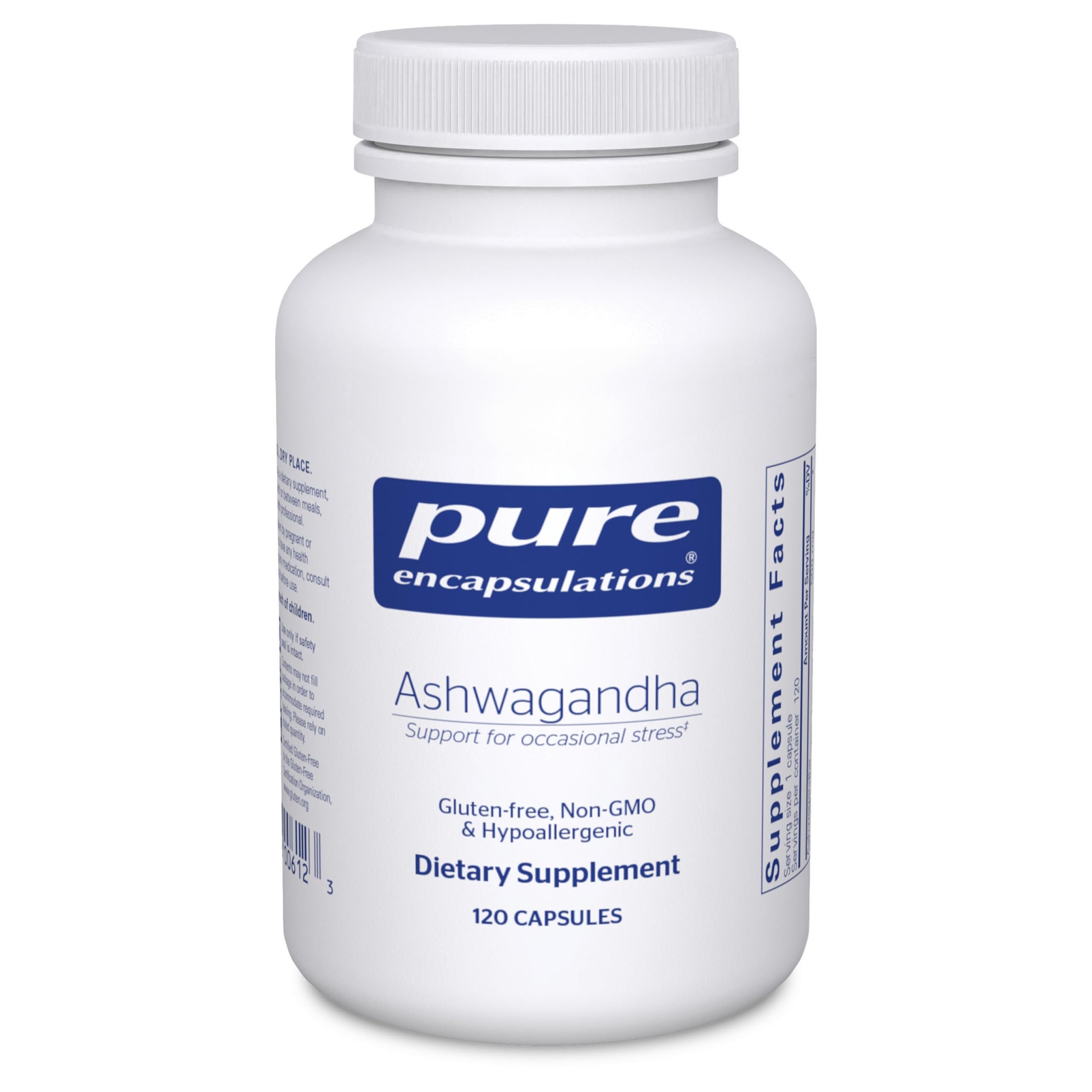
Pure Encapsulations is the clean-label premium pick. Each capsule has 500 mg of KSM-66 ashwagandha root extract, and the 120-capsule bottle is a long supply. The formula is free from common allergens, artificial ingredients, and GMOs, which is the reason someone chooses this brand over a budget extract.

We like the simplicity: one standardized extract, no added herbs, no flavor, and a capsule that is easy to take. The 500 mg dose is lower than the high-dose picks, but KSM-66 is standardized, so it is a more measured way to compare. The brand's testing and purity story is the draw, and the 120-count bottle is a long supply.

We recommend it for the reader who wants a clean-label KSM-66 capsule and values a long supply more than a megadose. If you want KSM-66 on a budget, Nutricost is the better value. If you want the most transparent premium capsule, this is it.

Bottom line: We recommend Pure Encapsulations for shoppers who want a clean-label KSM-66 capsule with 120 capsules and no unnecessary additives.
#2

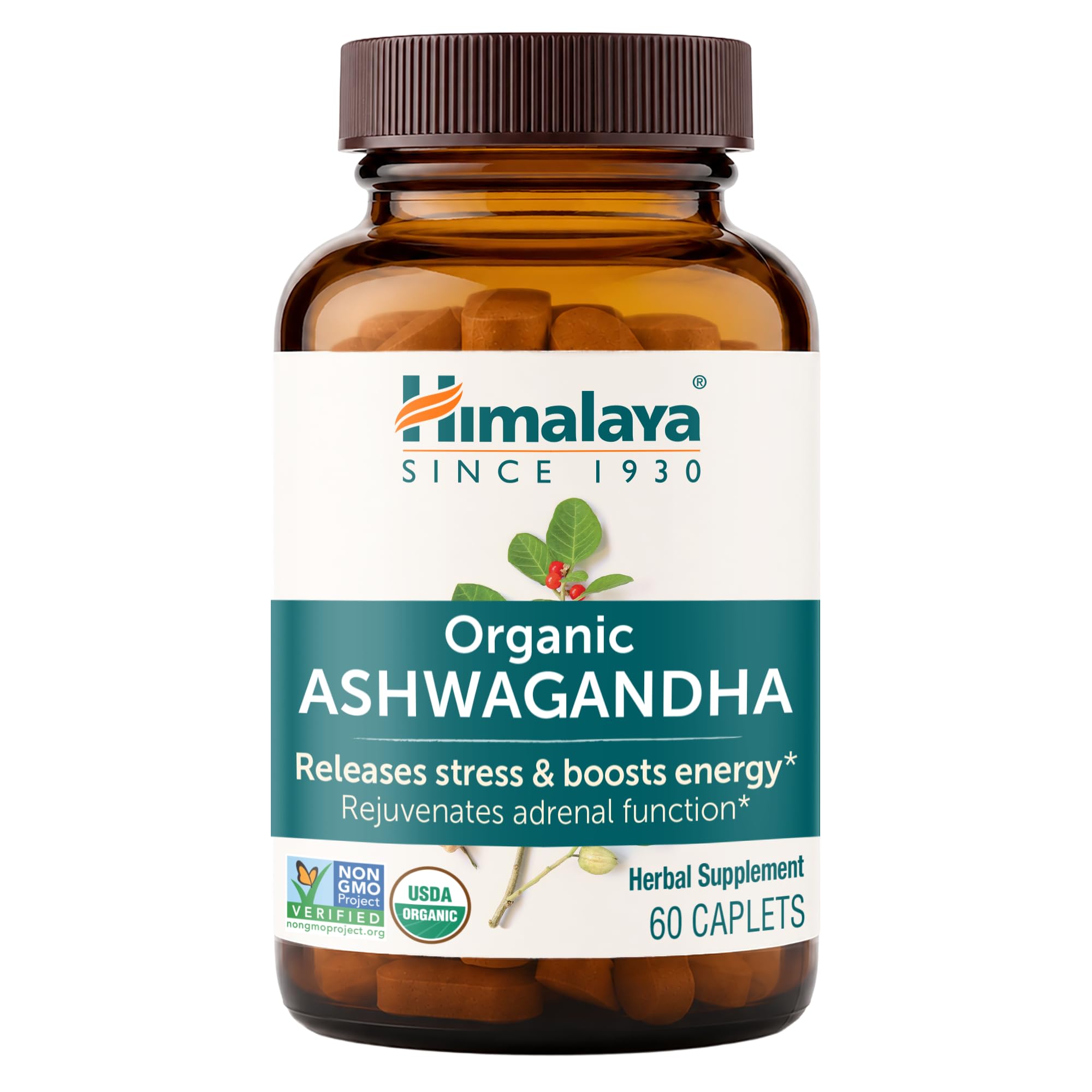
Himalaya Organic Ashwagandha

Himalaya Organic Ashwagandha

Clinically studied

Our Score 9.2/10
Check Price

Worth Noting

  • Lower dose than high-mg picks
Form
Caplet
Supply
60-day supply
Certification
USDA Organic
Ashwagandha Dose
670 mg
Read the full review

Himalaya's pitch is different from the megadose products: 670 mg of organic ashwagandha root in a 60-day supply, with a blend of root powder and root extract backed by four clinical trials. We like that it gives you a clear daily dose without asking you to swallow a handful of capsules. The caplet is simple, and the 60-day supply makes the routine easy to plan.

The brand's quality story is the real draw. The label calls out DNA-based plant identification, more than 25 tests per lot, and water and CO2 extraction. We do not treat those claims as a guarantee, but they are the kind of detail we want to see in a botanical supplement, especially one that is USDA Organic and vegan.

We recommend it for a first ashwagandha or for anyone who prefers a measured, clinically studied dose. If you want a standardized extract, Nutricost KSM-66 is the clearer comparison. For a gentle daily formula from a long-established maker, this is the one.

Bottom line: We recommend Himalaya for a gentle, clinically studied daily dose, especially if you want organic root and a long testing record without a megadose.

#3

Futurebiotics Ashwagandha Extra Strength

Futurebiotics Ashwagandha Extra Strength

Bulk supply

Our Score 9.2/10
Check Price

Worth Noting

  • Extract strength not stated
Form
Capsule
Count
360 capsules
Formula
Ashwagandha extract
Manufacturing
cGMP facility
Read the full review

The 360-capsule bottle is the reason to notice Futurebiotics. It is the bulk buy in this group, and for anyone who has already settled on ashwagandha as a daily habit, that is a genuinely useful thing: fewer reorders, less chance of running out, and a low cost per capsule. The formula is an ashwagandha extract aimed at stress, mood, and cortisol balance, made in a cGMP facility in New York.

We like it as a straightforward, no-frills pick. The label keeps the focus on ashwagandha rather than adding a long list of extras, and the large bottle suits a household where more than one person takes it. It is a bulk convenience pick rather than a dose-specific one.

For the reader who takes ashwagandha every day and wants one bottle to last, this is an easy recommendation. It is also a sensible option for a shared cabinet. We recommend it for supply and simplicity, not for label math.

Bottom line: We recommend Futurebiotics for daily ashwagandha users who want a 360-capsule bulk bottle and a simple extract without chasing a specific milligram count.

#4

Nutricost KSM-66 Ashwagandha

Nutricost KSM-66 Ashwagandha

Standardized budget

Our Score 9.2/10
Check Price

Worth Noting

  • Only 60 capsules per bottle
Extract
KSM-66
Withanolides
5% (30 mg per cap)
Added Ingredient
BioPerine
Ashwagandha Dose
600 mg
Read the full review

Nutricost's KSM-66 capsule is the spec nerd's budget pick. Each 600 mg capsule delivers 5% withanolides, or 30 mg, and the formula includes BioPerine for absorption. That is a clear, standardized dose at a budget price, and it is the one we point to when someone wants to compare ashwagandha on the active compound rather than just root powder.

The trade is transparency. You know the extract, the withanolide percentage, and the added black pepper extract. We also appreciate the NSF-certified, GMP-compliant manufacturing, which is more than many budget supplements bother to state. It is a simple daily capsule with no flavor and no extras.

For anyone who wants KSM-66 without a premium markup, this is the best value here. It is also a strong alternative to the top pick if you prefer a measured extract over a full-spectrum root powder.

Bottom line: We recommend Nutricost KSM-66 for shoppers who want a transparent, standardized extract with 5% withanolides and BioPerine at a budget price.

#5

WeightWorld Ashwagandha Gummies

WeightWorld Ashwagandha Gummies

Gummy format

Our Score 9.2/10
Check Price

Worth Noting

  • No standardized extract percentage stated
Form
Gummy
Count
120 gummies
Flavor
Raspberry
Supply
2-month supply
Read the full review

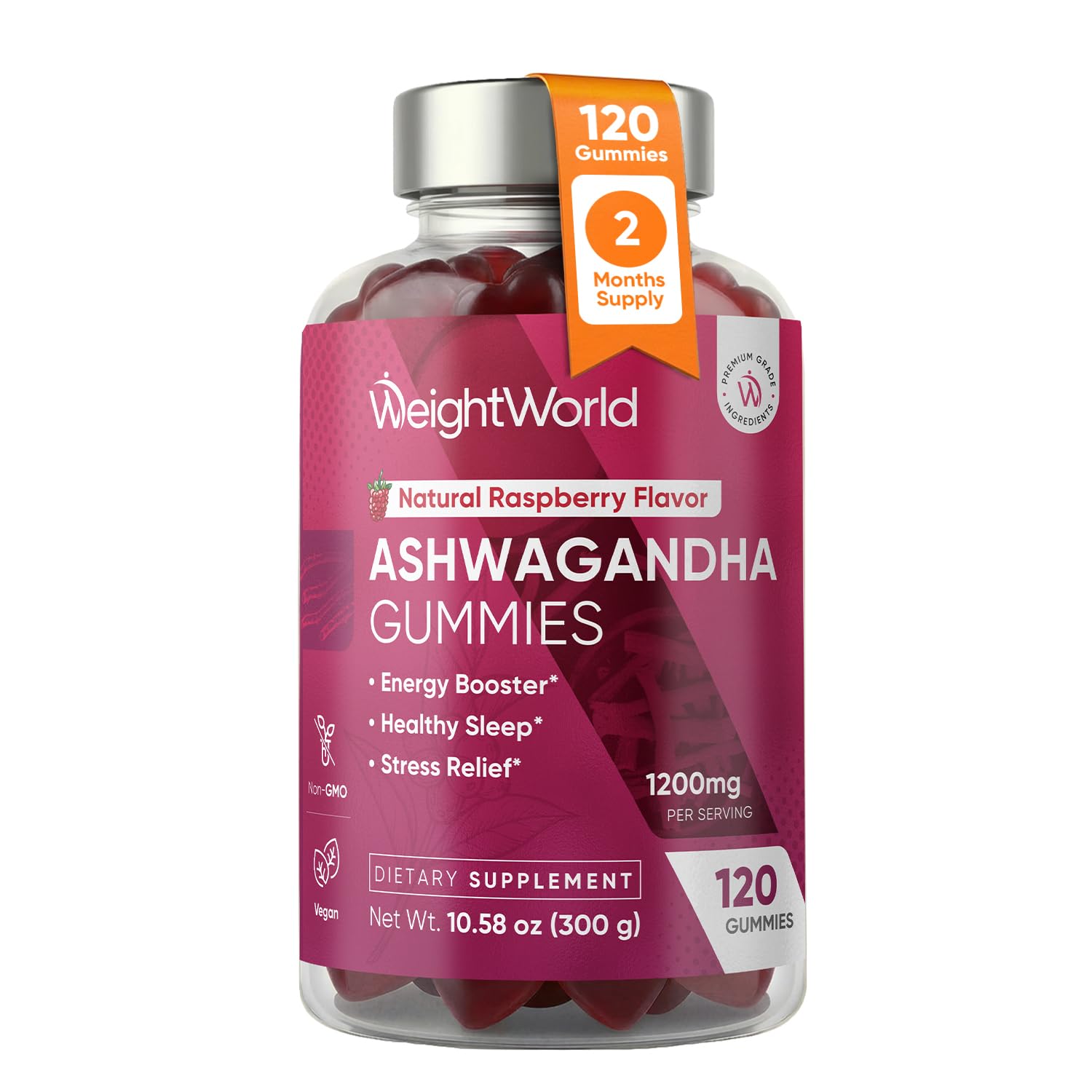
Gummies are the easiest way to keep an ashwagandha habit if capsules feel like a chore, and WeightWorld's raspberry gummies are the ones we recommend. The bottle has 120 gummies, a two-month supply at two a day, and the formula is vegan, non-GMO, and gluten-free. We like that it does not ask you to swallow a pill and does not load the label with a long list of extra herbs.

The gummy format is the whole point. A raspberry flavor makes it easy to take in the evening, and the two-a-day serving is simple to remember. It is for the person who wants a pleasant daily routine and does not need a megadose.

We also appreciate the two-month supply; it is long enough to judge whether the habit fits without committing to a giant bottle. If you want a gummy and do not need to compare withanolide numbers, this is the one we point to.

Bottom line: We recommend WeightWorld for anyone who wants a raspberry ashwagandha gummy with a two-month supply and a simple two-a-day routine.

#6

Garden of Life Organic Ashwagandha

Garden of Life Organic Ashwagandha

Digestive support

Our Score 9.2/10
Check Price

Worth Noting

  • Large tablet can be hard to swallow
Form
Tablet
Supply
60-day supply
Ashwagandha Dose
600 mg
Added Ingredients
Probiotics and ginger
Read the full review

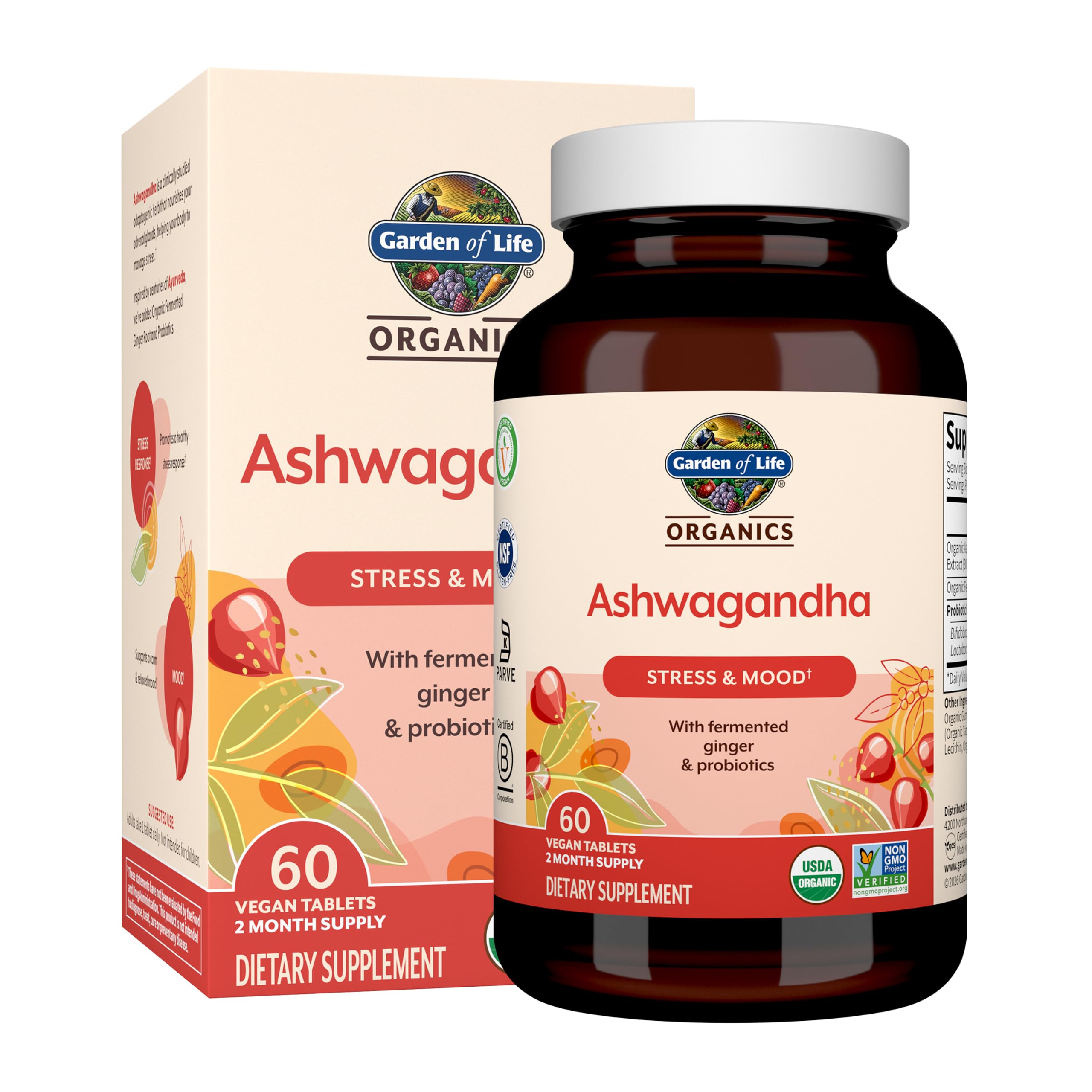
Garden of Life adds two things to ashwagandha that we do not see often: a small probiotic blend and organic fermented ginger. The base is 600 mg of organic ashwagandha root, and the bottle is a 60-day supply. We like it for people who want a gentle daily dose and a little digestive support in the same tablet, especially if they already trust the brand's organic sourcing.

The formula is USDA Organic, Non-GMO Project Verified, NSF Certified Gluten Free, vegan, and kosher, which is a strong certification stack. The probiotic amount is small, so we see it as a bonus rather than a reason to skip a separate probiotic.

For a first ashwagandha or a gentle daily formula, this is a thoughtful pick. We recommend Garden of Life when the organic label and the added ginger matter more than milligrams.

Bottom line: We recommend Garden of Life for a gentle 600 mg organic ashwagandha tablet with added probiotics and ginger, especially for organic-label shoppers.

#7

NutriRise Organic Ashwagandha

NutriRise Organic Ashwagandha

Daily stress support

Our Score 9.0/10
Check Price

Worth Noting

  • No withanolide percentage stated
Form
Capsule
Count
120 capsules
Added Ingredient
Black pepper
Ashwagandha Dose
1,300 mg
Read the full review

The first thing we look for in an ashwagandha supplement is a dose and format we can live with every day. NutriRise gets that balance right: 1,300 mg of organic ashwagandha root with black pepper, packed into 120 capsules. That is a meaningful serving rather than a token sprinkle, and the black pepper is included to support absorption. We recommend it as the default because it pairs a strong root dose with a simple capsule and a label that stays focused on ashwagandha.

What sets it apart in this group is the breadth of its support. It is the pick we reach for when someone wants one product for daily stress, mood, and sleep rather than a specialized high-dose extract. The organic root and gluten-free formula fit a clean-label routine, and the 120-capsule bottle is a practical size for a daily habit. We also like that it does not overload the formula with extra herbs; you know what you are taking.

The capsule format is the main boundary. If you prefer a gummy, WeightWorld is the better fit; if you want a higher dose, NaturaLife is the one. But for most people who want a well-rounded daily ashwagandha, this is the one we point to first.

Bottom line: We recommend NutriRise as the best overall ashwagandha supplement for most people: a strong organic root dose, black pepper for absorption, and broad support for stress, sleep, and mood.

#8

NaturaLife Organic Ashwagandha

NaturaLife Organic Ashwagandha

High-dose daily calm

Our Score 9.0/10
Check Price

Worth Noting

  • High 2,100 mg serving may not suit sensitive stomachs
Count
100 capsules
Extract
2.5% withanolides
Added Ingredient
Black pepper
Ashwagandha Dose
2,100 mg per serving
Read the full review

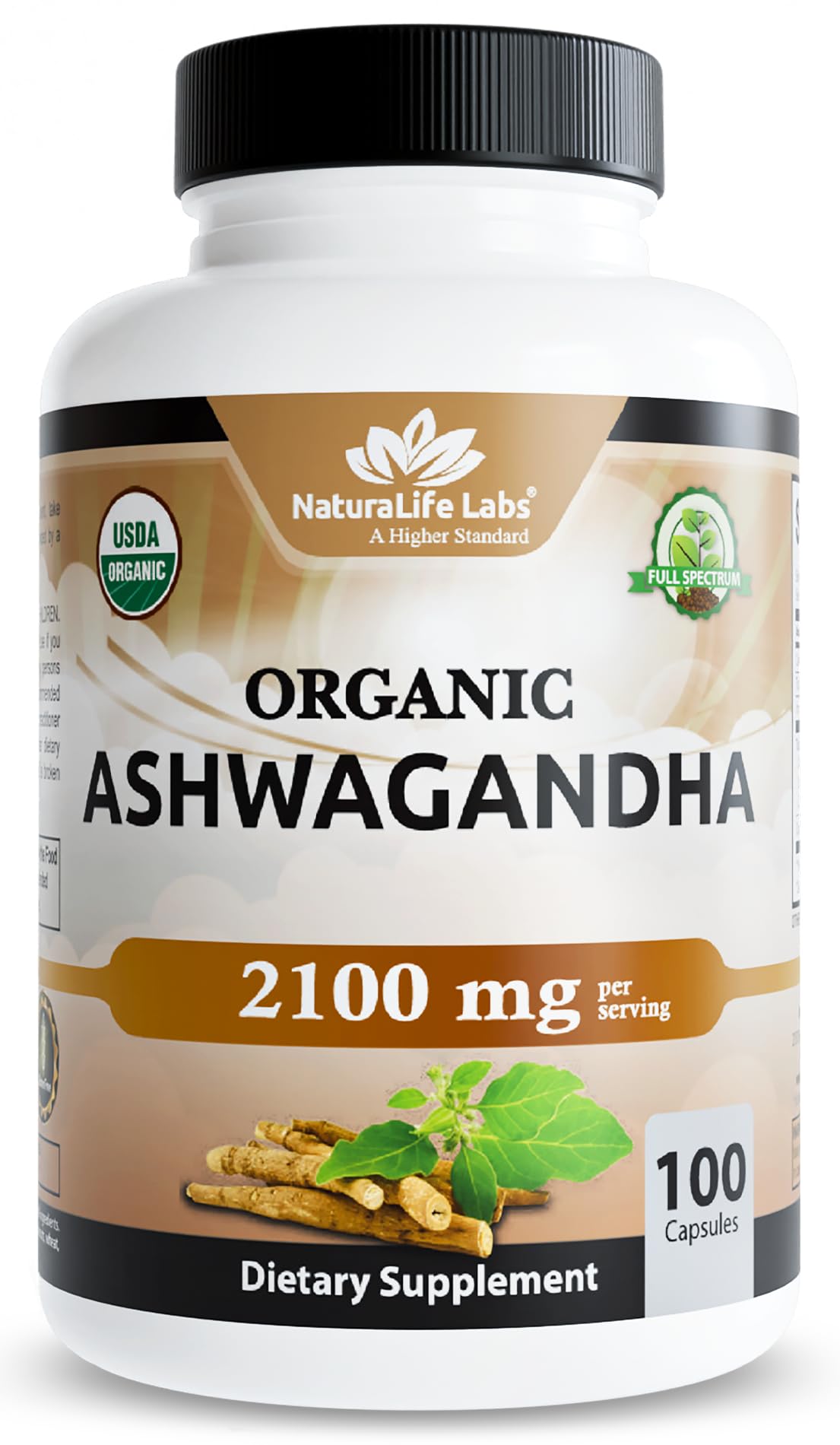
If you want the biggest ashwagandha serving in this group, NaturaLife is the obvious place to start. The label lists 2,100 mg per serving, split between organic root powder and a standardized root extract with 2.5% withanolides, plus organic black pepper. That is a more complete spec sheet than most, and we like that it tells you both what the root brings and how the extract is standardized.

The 100-capsule bottle is smaller than the top pick's, but the dose is higher. We see it as the pick for someone who has already decided ashwagandha works for them and wants a strong, organic, full-spectrum option without moving into premium territory. The black pepper is a thoughtful addition for absorption, and the vegan, non-GMO, gluten-free formula keeps the label clean.

For experienced ashwagandha users, it is the high-dose value pick here, and the one we recommend when milligrams are the deciding factor. If you want a gentler starting point, Himalaya is the better first bottle.

Bottom line: We recommend NaturaLife for experienced ashwagandha users who want a 2,100 mg organic serving with standardized withanolides and black pepper at a budget-friendly price.

#9

Agobi 5in1 Ashwagandha

Agobi 5in1 Ashwagandha

Multi-herb blend

Our Score 9.0/10
Check Price

Worth Noting

  • Not a standalone ashwagandha product
Form
Vegan capsule
Count
180 capsules
Supply
6-month supply
Added Ingredients
Turmeric, rhodiola, ginger, black pepper
Read the full review

Agobi's five-in-one capsule is for the reader who wants ashwagandha plus a little more. One capsule daily combines ashwagandha root with turmeric, rhodiola, ginger, and black pepper, and the 180-count bottle is a six-month supply. We like the convenience: one capsule, no powder, no measuring, and a formula that is vegan, non-GMO, and gluten-free.

The blend is the reason to choose it. Turmeric, rhodiola, and ginger each bring their own traditional uses, and black pepper is there for absorption. If you have already found ashwagandha helpful and want to add adaptogens and digestive-supportive herbs, this is a sensible next step.

The one-capsule serving is the detail we appreciate most. It is easy to keep up with, and the six-month supply means you are not reordering constantly. We recommend it as the all-in-one option for blend shoppers.

Bottom line: We recommend Agobi for anyone who wants ashwagandha plus turmeric, rhodiola, and ginger in one daily capsule with a six-month supply.

How We Tested the Ashwagandha Supplements

We started with a shortlist of more than 40 ashwagandha products sold as capsules, gummies, and powders. I screened out anything with vague proprietary blends, added sugars that pushed the daily cost up, or serving sizes that required three or more pills, then narrowed the list to 12 supplements that covered a wide range of ingredient profiles and price points.

For six months, I took each supplement for at least two weeks and logged when it went down—usually with breakfast on workdays, during a deadline-heavy afternoon, and in the evening wind-down, plus one travel week. I tracked stress relief by noticing how often I caught myself clenching my jaw or snapping at small interruptions, mood by whether I felt steadier or flatter, and sleep quality by whether I fell asleep faster and woke up less often.

Because a supplement can look fine on paper and feel miserable in practice, I wrote down side effects as they appeared: headaches, nausea, loose stools, or drowsiness that lingered past the first hour. I swallowed every capsule with the same eight-ounce glass of water, compared pill size against a quarter, and noted whether any stuck or felt like a horse pill. I also tasted powders plain and stirred into warm milk, and judged gummies on aftertaste and whether the daily serving felt like a treat or a chore.

Finally, I checked what the label promised against what the bottle delivered—root versus leaf, extract strength, fillers, and servings per container—then divided the cost by a month of daily use. The ones that rose to the top were not the loudest claims; they were the ones I could take consistently, without stomach trouble, at a price that did not make me ration the bottle.

How to Choose Ashwagandha Supplements

Start with Dose and Extract Type

Ashwagandha labels are not apples to apples. A product listing 1,300 mg of root powder is not directly comparable to one listing 600 mg of a standardized extract, because the extract concentrates the withanolides many people track. We prioritize a clear dose and, where possible, a stated extract standardization over the biggest number on the front of the bottle. If you are new to ashwagandha, a lower daily dose is the sensible start; if you have used it before, a high-dose root formula like NaturaLife or a standardized KSM-66 capsule like Nutricost gives you more to work with.

Pick a Format You Will Take Daily

Format decides whether the habit survives. Capsules and caplets are the most common, and most people can take them with breakfast or dinner. Gummies are easier for pill avoiders, but they trade label precision and sometimes texture for convenience; WeightWorld is the gummy pick here for that reason. Tablets can be large, as Garden of Life's is, so check the pill size if you have trouble swallowing. Our rule is simple: choose the format you will actually take at the same time each day, not the one with the most impressive milligram count.

Decide Which Extras Are Worth It

Added ingredients can be useful or just noise. Black pepper is the one we look for first because it is included to support absorption, and it shows up in the top pick, NaturaLife, and Nutricost KSM-66. Turmeric, rhodiola, and ginger are reasonable additions if you want a multi-herb formula, but they make it harder to know what is working; Agobi's five-in-one is the example to consider. Probiotics and ginger in Garden of Life are a gentle digestive bonus, not a replacement for a standalone probiotic. If you want to isolate ashwagandha's effect, start with a single-herb product.

Check Supply, Certifications, and Tolerance

Supply and certification are where the daily cost and the trust story live. A 60-day bottle is a fair trial; a 360-capsule bulk bottle like Futurebiotics is for someone who already knows the habit will stick. Look for USDA Organic, Non-GMO Project Verified, NSF Certified Gluten Free, or cGMP manufacturing when those claims matter to you, and remember that a certificate is not a guarantee of how you will feel. Start with one capsule or one serving, take it consistently, and stop if nausea, headache, or digestive upset persists.

Frequently Asked Questions

Final Verdict

For most people, the best ashwagandha supplement is NutriRise Organic Ashwagandha. It pairs a meaningful 1,300 mg organic root dose with black pepper and a 120-capsule bottle, and it has the broadest stress, sleep, and mood support in this set. If you want a higher dose, NaturaLife is the better buy; if you want a standardized KSM-66 extract on a budget, choose Nutricost. Those two cover the main reasons to move away from the default.