Nutrition & Supplements

Best Supplements for Muscle Growth of 2026

The supplement aisle is loud — tubs promising bigger lifts, faster recovery, a physique visible from across the gym. What the labels rarely answer is whether you'll actually finish the tub. I've poured gritty shakes down the sink and dry-swallowed capsules the size of my thumbnail, and the truth is that the best muscle-building supplement is the one you'll take daily without dreading it. Consistency, not the boldest claim on the label, is what moves the needle.

This spring, my team and I spent four months with 16 powders and capsules, mixing them at the kitchen counter, shaking them in a gym-locker bottle, and swallowing pills with plain tap water. We watched what most reviews skip: how quickly a scoop dissolves, whether grit settles at the bottom, how the texture sits on the tongue, and whether a capsule goes down without a fight. We also noted digestion, energy on training days, and whether the label held up. Below are the ones we'd hand to a friend.

#1

Nutricost Creatine Powder

Top Pick
Nutricost Creatine Powder

Daily muscle building

Our Score 9.4/10
Check Price

Worth Noting

  • Leaves some grit at the bottom of a glass
Form
Micronized powder
Flavor
Unflavored
Creatine Per Serving
0.18 oz
Servings Per Container
100
Read the full review

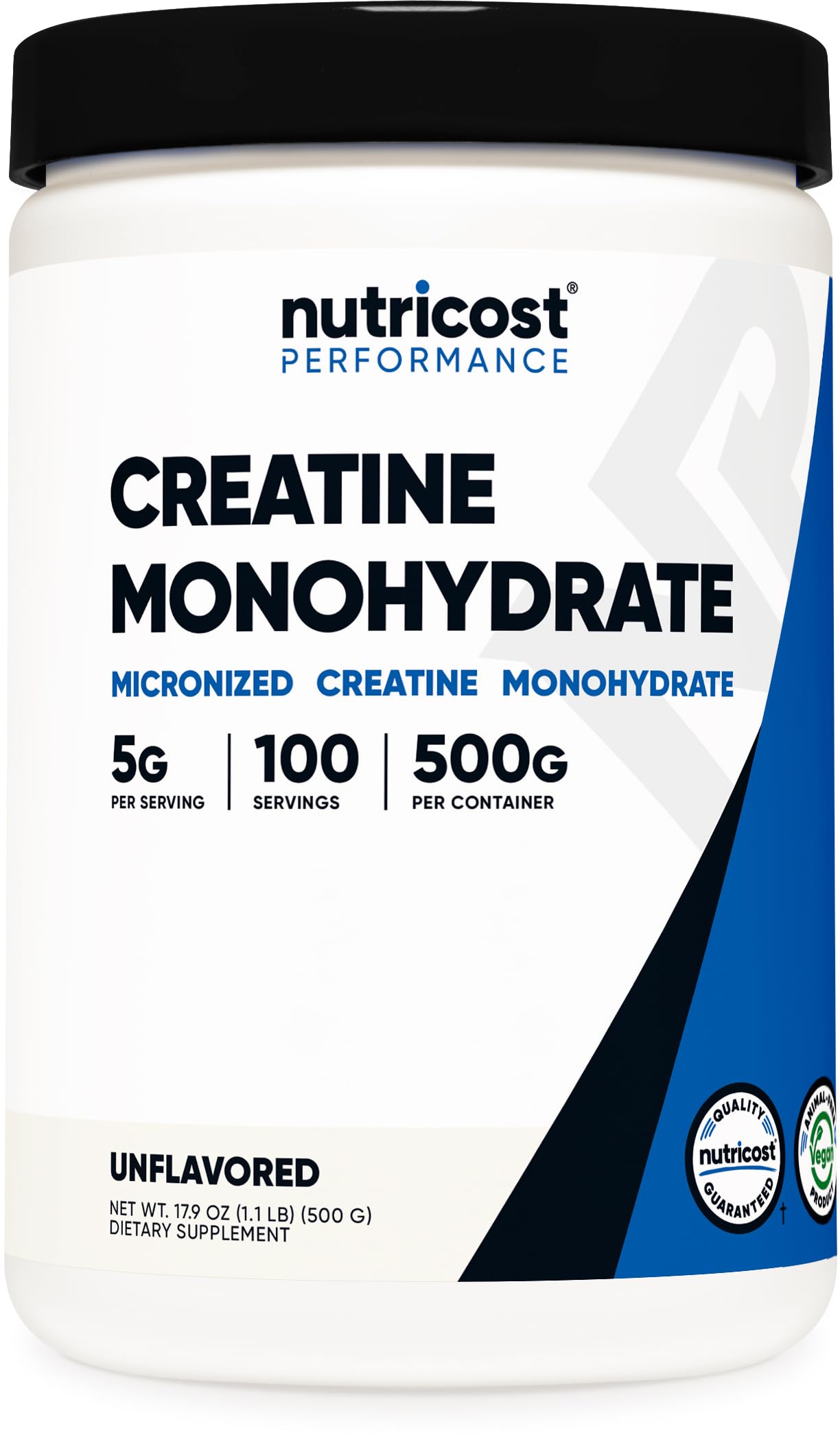
Five grams per scoop, 100 scoops per tub, and nothing but creatine monohydrate in the powder. That's the whole pitch, and it's why this is the tub we tell most lifters to buy: five grams is the daily dose the creatine research keeps landing on, so there's no arithmetic, no loading protocol to remember, no guessing at a serving size. One level scoop a day and the tub runs a little past three months.

Unflavored doesn't mean invisible. Stirred into a glass of water it leaves a little grit at the bottom, and we found a shaker bottle or a warm drink handles that better than a spoon — swish the last mouthful and you won't taste anything. In coffee or a protein shake it disappears completely, which is how we took it most days. Some people find the first week sits heavy on an empty stomach; take it with breakfast and that usually settles.

The tub is small enough to live on a shelf rather than in a cupboard, and the scoop levels off cleanly at five grams, which sounds trivial until you've used a powder that doesn't. Orgain is cheaper per serving and mixes slightly more easily; the longer run behind this one is still what tips it for us, and a supplement you'll drink daily is exactly where a long track record counts.

Bottom line: For most people this is the creatine to buy: a full five-gram dose per scoop, nothing added, and a tub that lasts about three months.
#2

Optimum Nutrition Creatine Capsules

Optimum Nutrition Creatine Capsules

Travel and gym bags

Our Score 9.4/10
Check Price

Worth Noting

  • Costs more per gram than any powder here
Form
Capsules
Capsules Per Bottle
100
Third-party Testing
Informed Choice
Creatine Per Serving
2.5 g (2 capsules)
Read the full review

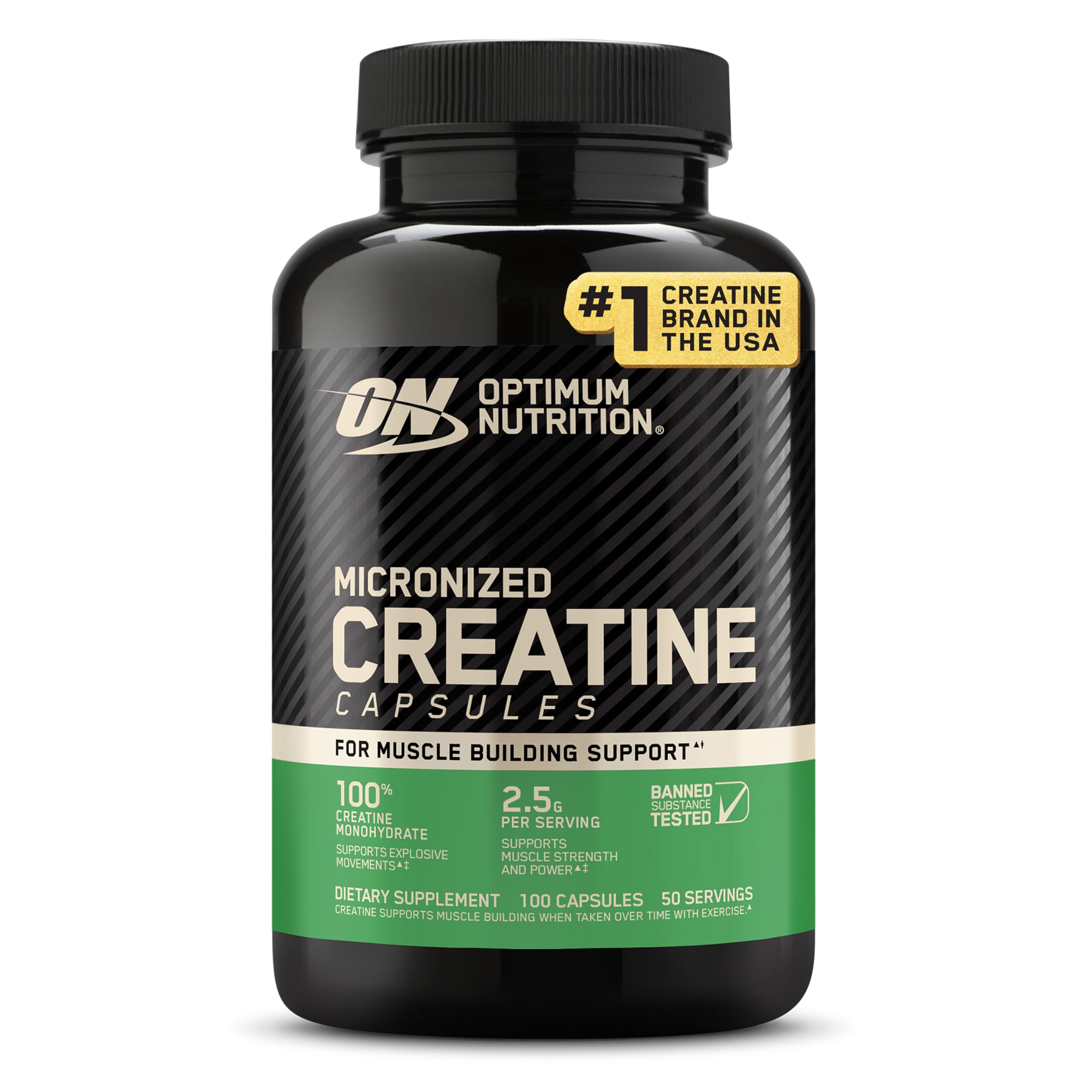
There's a specific person this bottle is for: someone who trains at a commercial gym with no shelf for a tub, travels most weeks, or simply will not drink gritty water. Optimum Nutrition puts the same creatine monohydrate in capsules, so the routine becomes a couple of pills and a mouthful of water from the fountain.

The arithmetic is worth doing before you order. The label's serving is two capsules for 2.5 grams, which means four capsules to reach the five-gram dose most people aim for, and a 100-count bottle is 25 days at that rate rather than 50. The pills are on the large side too, so if you already struggle with capsules, a powder stays the better buy — the whole advantage here disappears if you dread taking them.

What you get in return is convenience that holds up: no scoop, no shaker to rinse, no flavor to get tired of, and no half-dose left at the bottom of a glass. The capsules are also Informed Choice tested for banned substances, which is the detail that matters if your job or your sport tests you. We kept a bottle in a gym bag for weeks and never once missed the tub.

Bottom line: Buy these if you want creatine without a shaker: no mixing, no taste, and Informed Choice testing, at a higher cost per gram than powder.

#3

Orgain Creatine Monohydrate

Orgain Creatine Monohydrate

Budget daily creatine

Our Score 9.4/10
Check Price

Worth Noting

  • Shorter track record than the older creatine tubs here
Form
Micronized powder
Added Ingredients
None
Creatine Per Serving
0.18 oz
Servings Per Container
100
Read the full review

If you drink your creatine cold — in water, juice or iced coffee — this is the tub to buy. Orgain's powder is the finest in this group, dispersing with a stir rather than a full shake and leaving almost no grit behind, and it's the cheapest per serving of the creatine picks here. It's also the plainest formula of the lot: creatine monohydrate and nothing else, with no dairy, soy, gluten or GMO ingredients.

The tub is 100 servings at five grams, the same three-month timeline as our top pick, and the scoop is small enough that a level measure doesn't swamp a shaker. It can clump if you dump it into cold water and stir lazily — add it to a shaker, or stir it into something warm, and it behaves. We noticed the difference most in coffee, where cheaper powders leave a film on the mug and this one doesn't.

Bottom line: The pick if you want the smoothest-mixing, cheapest creatine here and don't need a decade of history behind the label.

#4

Double Wood EAA Capsules

Double Wood EAA Capsules

Aminos without shakes

Our Score 9.2/10
Check Price

Worth Noting

  • One gram per serving is a modest dose
Form
Capsules
Includes BCAAs
Yes
EAAs Per Serving
1 g blend of all 9
Capsules Per Bottle
225
Read the full review

The first thing you notice about these capsules is the size — small enough to swallow without a second glass of water and small enough to carry a few loose in a pocket. That's the practical reason this bottle works where amino powders fail, because the tub of candy-flavored drink mix is what usually goes stale at the back of the shelf.

One gram of amino acids per serving is a modest dose, and that's the trade-off: a serving is a fraction of what a protein shake delivers, so these are a top-up for days you train fasted or come in under your protein target, not a replacement for real food. We treat them as backup rather than a staple, and that framing keeps the expectations right.

Where they earn their place is the recovery side — less next-day ache, muscles feeling less beaten up after a heavy session — and the convenience is what makes that repeatable. No shaker to wash, no flavor to get sick of. Take them with water before bed and forget about them until the bottle runs low.

Bottom line: The amino pick for people who won't drink a shake: small, tasteless capsules that top up recovery when food falls short.

#5

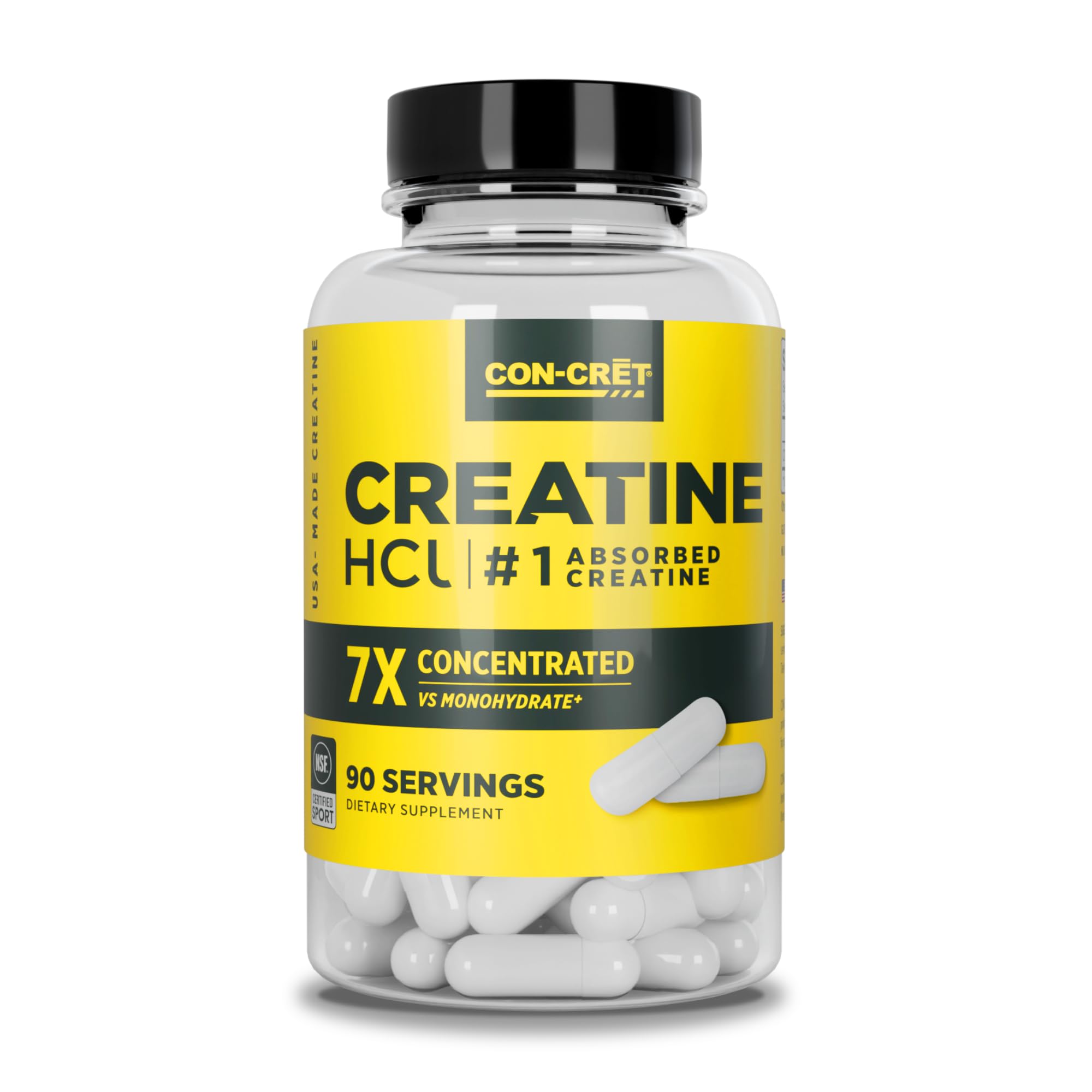
CON-CRET Creatine HCl

CON-CRET Creatine HCl

Sensitive stomachs

Our Score 9.2/10
Check Price

Worth Noting

  • Costs more per serving than the powder tubs here
Form
Capsules
Facility Standards
SQF, NSF, GMP
Capsules Per Bottle
90
Creatine HCl Per Capsule
750 mg
Read the full review

If creatine powder has ever left you feeling puffy, gassy and bloated, this is the bottle to look at. CON-CRET uses creatine hydrochloride rather than monohydrate, and the case for it is tolerance rather than potency: it's sold as easier on the stomach, in small capsules you take once or twice a day instead of a gritty scoop.

Parts of the label are louder than they need to be. The multipliers on solubility and concentration are the company's own comparisons, and we take them with salt. What's easier to judge is the practical side: the capsules are small, the daily count is low, and there's no mixing, no flavor, and nothing left at the bottom of the glass.

Our read is that HCl is a comfort upgrade, not a stronger creatine. Monohydrate is the form with the research behind it, and if a powder tub doesn't bother your gut, you're paying extra for convenience you don't need. If it does bother you, this is the creatine in this group to try first — go in knowing what the money is buying.

Bottom line: Try this if creatine powder upsets your stomach; it buys comfort and convenience, not a bigger dose of results.

#6

Nutricost HMB

Nutricost HMB

Stacking with creatine

Our Score 9.0/10
Check Price

Worth Noting

  • Effects are subtle and uneven between people
Form
Capsules
HMB Per Serving
1,000 mg
Capsules Per Bottle
240
Servings Per Container
120
Read the full review

HMB is what you add when creatine is already in the routine and you want something for the other half of the problem: holding onto muscle while you eat less, or easing the soreness that piles up in a hard training block. Nutricost's bottle is the least fussy way to try it.

Two capsules give you a gram and the bottle holds 240 of them — 120 servings, roughly four months at the label's daily dose. The capsules are small enough to take alongside a creatine scoop rather than instead of one, and they taste of nothing, which is the advantage capsules have over yet another powder in the cupboard. Stacking the two is how most people here would use it.

We're honest about what HMB does: the effects are real for some and invisible for plenty, and it's the supplement in this group we're least confident you'll feel. It makes most sense if you're in a calorie deficit, new to lifting, or coming back from a layoff, where protecting lean mass is the whole goal. If you're a well-fed lifter with years of training behind you, this is the bottle to skip.

Bottom line: A low-cost way to try HMB if you're dieting or coming back from a break, though the results are quieter than creatine's.

#7

Clean Nutraceuticals Creatine

Clean Nutraceuticals Creatine

Flavored daily creatine

Our Score 8.8/10
Check Price

Worth Noting

  • 10,000 mcg biotin per scoop can skew lab tests
Flavor
Flavored
Biotin Per Scoop
10,000 mcg
Added Ingredients
Collagen, inositol, maca
Creatine Per Scoop
0.18 oz
Read the full review

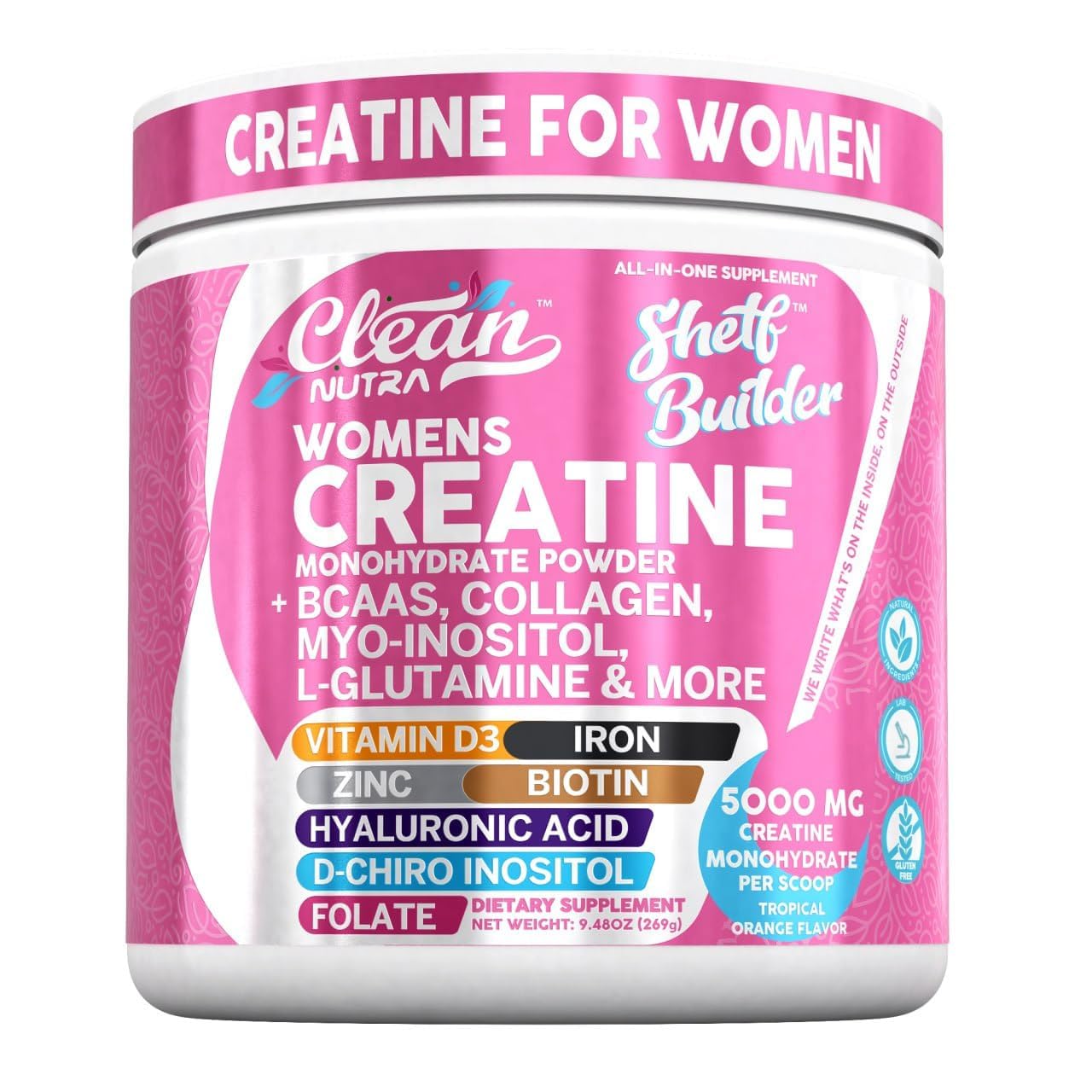
This is the only creatine in this group you can drink as an actual flavored drink, and for plenty of people that settles the whole question. Each scoop carries a full five grams of monohydrate alongside a multi-collagen blend, 10,000 micrograms of biotin, hyaluronic acid, inositol and maca.

The extras are why you'd pick this over a plain tub, and they're also why it costs more. Be clear-eyed about the division of labor: the creatine is doing the muscle work, while the collagen, biotin and hyaluronic acid are here for skin, hair and nails, and the inositol and maca are aimed somewhere else again. The biotin alone is over 33,000 percent of the daily value, which tells you how much of this formula is aimed at the beauty aisle. None of that is a problem — it's just not muscle growth, and you're paying for it.

Taste is the risk. It's sweet and heavily flavored, and it lands differently for different people: a citrus drink to some, syrupy and cloying to others. Mix the first few glasses with more water than the label suggests, and take it with food if your stomach is sensitive, because this is the busiest formula here and a reaction won't tell you which ingredient caused it.

We came back to it for one reason: a scoop you'll actually finish beats a plain tub that sits in the cupboard until it cakes. Treat the collagen and biotin as a bonus and don't expect them to do anything for your squat — the five grams of creatine is the part that counts.

Bottom line: If an unflavored tub would sit untouched in your cupboard, this flavored scoop with a full five grams of creatine is the version you'll stick with.

#8

Prime Labs Testosterone Booster

Prime Labs Testosterone Booster

Energy and drive

Our Score 8.2/10
Check Price

Worth Noting

  • Muscle-building evidence is the thinnest in this group
  • Effects lean on energy and sleep rather than size
Form
Capsules
Made In USA
Yes
Key Botanicals
Tongkat ali, boron, nettle root
Read the full review

Testosterone boosters are where this category's marketing runs furthest ahead of the evidence, and it's worth being clear about what's in the bottle: tongkat ali, boron, nettle root, horny goat weed and sarsaparilla. None of that is a substitute for training, sleep and enough protein, and nothing in a capsule does what a solid training block does.

Where a product like this shows up is around the edges. The effects that come through are energy through the day, better sleep, longer workouts and more drive to get to the gym in the first place — the things that decide whether you train well in week six of a program, not whether you add an inch to your arms in a month. The bottle is small enough for a wash bag, which says who it's aimed at.

It's the weakest of these picks on muscle-building evidence, and we've ranked it that way rather than dressing it up. If you're already sleeping seven hours, eating enough and lifting three times a week, a booster is the least useful money in this article; the training is doing the work and the capsule is riding along.

If you're dragging through the day — short sleep, low drive, workouts that feel like a chore — it's an inexpensive thing to test for a month, and the energy it frees up is worth more than any direct effect on muscle. Buy it for drive and consistency, not for size.

Bottom line: Buy it for energy, sleep and training drive if those are what's holding you back — not as a shortcut to muscle.

How We Tested 16 Muscle-Building Supplements

The shortlist came from label reading first. We filtered out proprietary blends that hide their doses, anything without a third-party testing seal, and products whose price per serving felt hard to justify. That whittled the field to 16 — a mix of whey and plant-based powders, creatine, and capsule aminos — and we spent four months with them, rotating through training days and rest days rather than judging each one on a single scoop.

Most of the testing happened in ordinary places: a kitchen counter at 7 a.m., a shaker bottle rattled in a gym locker room, a desk water bottle during the afternoon slump, and a bedside glass for capsules at breakfast. We counted how many shakes it took for a scoop to vanish into eight ounces of water, then looked at the bottom of the glass ten minutes later for clumps. Taste and texture were judged on the first sip and the last, since chalky powders tend to build rather than fade.

Capsules got lined up beside a dime before we swallowed them with a normal gulp of water — no applesauce tricks. We logged side effects as they showed up, from bloating to an unsettled stomach, and rated energy, workout support, and next-day recovery by how sessions actually felt rather than by the label's promises. Every product got the same final question: would we spend our own money on it again? The ones that survived that question are below.

How to Choose Supplements for Muscle Growth

Start with the ingredient, not the label

Creatine monohydrate is the one supplement here with a deep and consistent body of research behind it, and five grams a day is the dose those studies settle on. Everything else is a smaller bet: HMB may help you hold onto muscle while you eat less, essential amino acids matter when protein falls short, and testosterone boosters tend to show up in energy, sleep and training drive rather than in size.

So buy creatine first. Add a second product only when you can name the specific job it does in your week — a cut, a stretch of travel, a run of missed meals.

Powder or capsules

Powder is cheaper per gram and puts a full five-gram dose in one scoop. Capsules cost more and often need several pills per dose. The trap to watch for is a serving size that reads as generous — two capsules delivering 2.5 grams means four pills for a full dose, and a 100-count bottle lasts 25 days, not 50.

Capsules earn their premium when you travel, train somewhere without locker space, or know from experience that you won't mix a drink. Count the capsules per dose before you compare bottles.

Read the servings, not the tub size

Tubs that look the same on a shelf last wildly different lengths of time. Divide the grams in the tub by the grams per serving: 500 grams at five grams a day is 100 servings, roughly three months. Combination and flavored products usually pack fewer creatine servings into a container because the scoop also carries collagen, sweetener or other ingredients.

Cost per serving, rather than the number printed on the lid, is the figure worth comparing.

Mixability and stomach tolerance

Unflavored does not mean tasteless. Plain creatine can read faintly bitter or salty and settles into grit at the bottom of a glass; a shaker, or a warm drink, fixes most of it. The bigger variable is your gut. Creatine can cause loose stools or nausea in the first week, especially on an empty stomach or in one large dose, so split it, take it with food, and give it a week.

If powder consistently bloats you, a hydrochloride capsule is worth one try — you're paying for tolerance, not potency.

What third-party testing buys you

Look for Informed Choice, NSF Certified for Sport, or a named GMP facility if your job or your sport tests you, because a contaminated supplement is a suspension you can't argue your way out of. A testing mark tells you what isn't in the bottle; it says nothing about whether the product works.

For that, go back to the ingredient list and ask what the research supports.

Frequently Asked Questions

Final Verdict

Start with the Nutricost creatine and you've covered the part of this category that genuinely works: five grams of monohydrate a day, unflavored enough to go into whatever you already drink, and a tub that runs about three months. It's the recommendation we make without caveats.

Two situations change it. If you won't mix powder or you're on the road, the Optimum Nutrition capsules solve that for more per gram. If monohydrate powder leaves you bloated, try CON-CRET once. Everything else here is a smaller, more specific bet — buy it when you can name the job.