Nutrition & Supplements

Best Protein Powder for Seniors of 2026

Protein powder has a reputation problem among the people who need it most: the formulas with the most protein per scoop are often the ones that clump in the glass, taste like a vitamin, and sit heavy an hour later. If you're drinking one most mornings to hold onto muscle and stay steady on your feet, that tradeoff gets old fast. What you want is a powder that disappears into a glass of water, goes down easy, and is something you'd actually finish.

I've choked down my share of chalky shakers, so I know the difference between a scoop you tolerate and one you reach for. Over the past four months, my team and I worked through 14 formulas, mixing them with water, milk, and oatmeal, and the pattern held: the ones that dissolved cleanest were usually the ones that sat easiest. Serving size is the quiet trap — a tub with a tiny scoop can cost more per gram of protein than one at twice the price. The picks below are the ones that earned a permanent spot on my counter.

#1

Optimum Nutrition Gold Standard Whey

Top Pick
Optimum Nutrition Gold Standard Whey

Everyday protein boost

Our Score 9.2/10
Check Price

Worth Noting

  • Not for dairy-free diets
BCAAs
0.19 oz
Serving Size
1 scoop
Protein Source
Whey isolate and concentrate
Protein Per Serving
0.85 oz
Read the full review

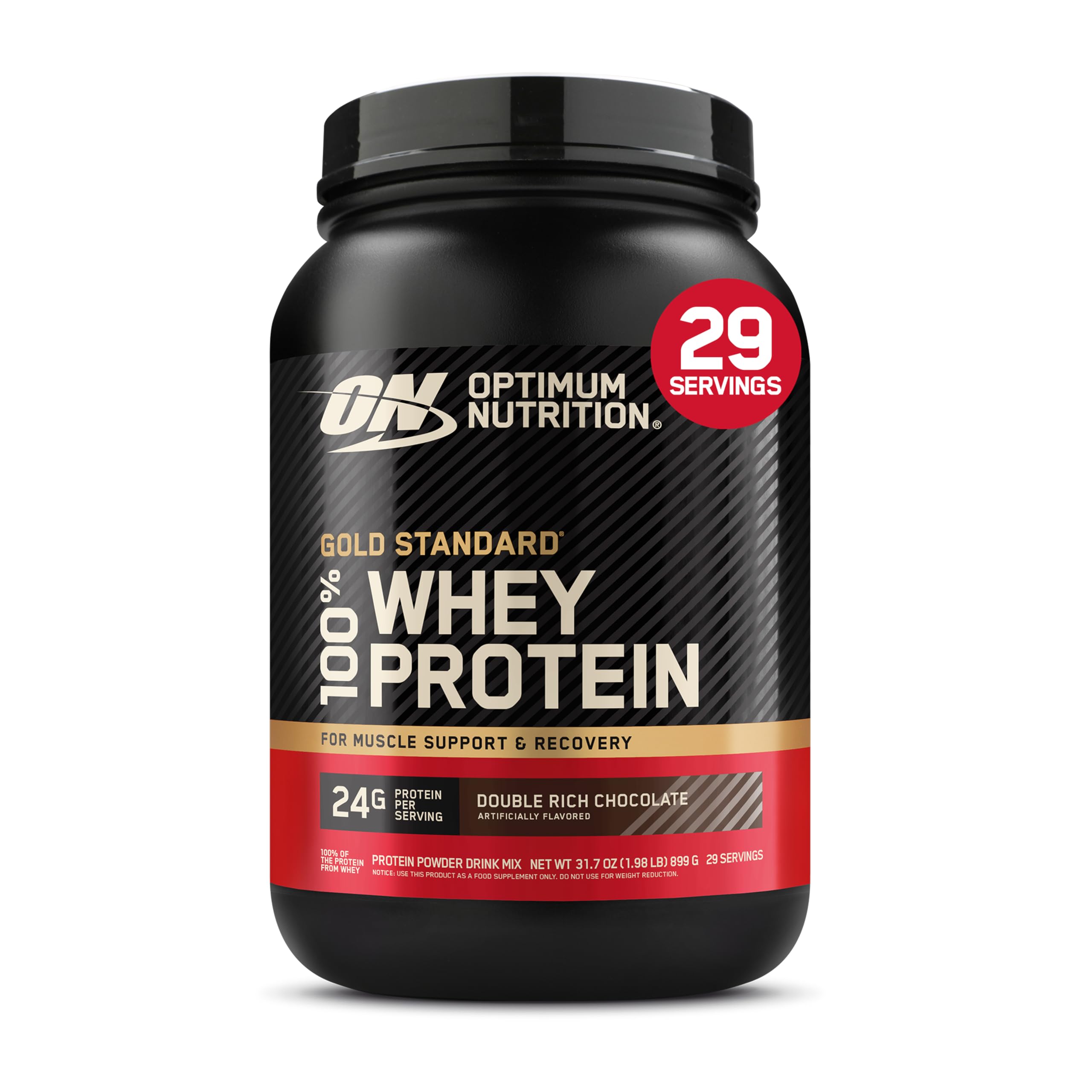
Twenty-four grams of protein in one scoop is the reason this is our default for most older adults. You do not have to count two scoops or negotiate a huge serving; one scoop goes into 6 to 8 ounces of water or milk, and the instantized powder is designed to shake out smooth. We like that simplicity for breakfast or a between-meal shake, especially when appetite is low and a large portion feels like work.

The double rich chocolate flavor is the crowd-pleaser in this line, and it has enough cocoa to taste like a shake rather than a vitamin drink. Mixability is the strongest part of the package: this is the one we reach for when we want a shaker-bottle shake without a blender. The trade-off is dairy. Gold Standard is a whey isolate and concentrate blend, and digestive tolerance varies; if lactose tends to leave you bloated, start with a half scoop or choose a whey isolate or plant powder instead.

The 24-gram serving is a little under the 30 grams Premier delivers, so if your clinician has set a higher protein target, Premier is the more direct tool. For everyone else, Gold Standard is the easy middle: complete whey protein, 5.5 grams of BCAAs, and 11 grams of EAAs, which is a useful reminder that this is a complete protein rather than just a number on the front. We keep it as the default because it makes the daily habit feel less like a chore.

Bottom line: Buy Gold Standard if you want one easy scoop of complete whey for a daily protein habit; it is the best overall default here for most older adults.
#2

Premier Protein 30g Powder

Premier Protein 30g Powder

Higher protein target

Our Score 9.2/10
Check Price

Worth Noting

  • Only 17 servings per tub
Sugar
0.04 oz
Protein Source
100% whey
Protein Per Serving
1.06 oz
Servings Per Container
17
Read the full review

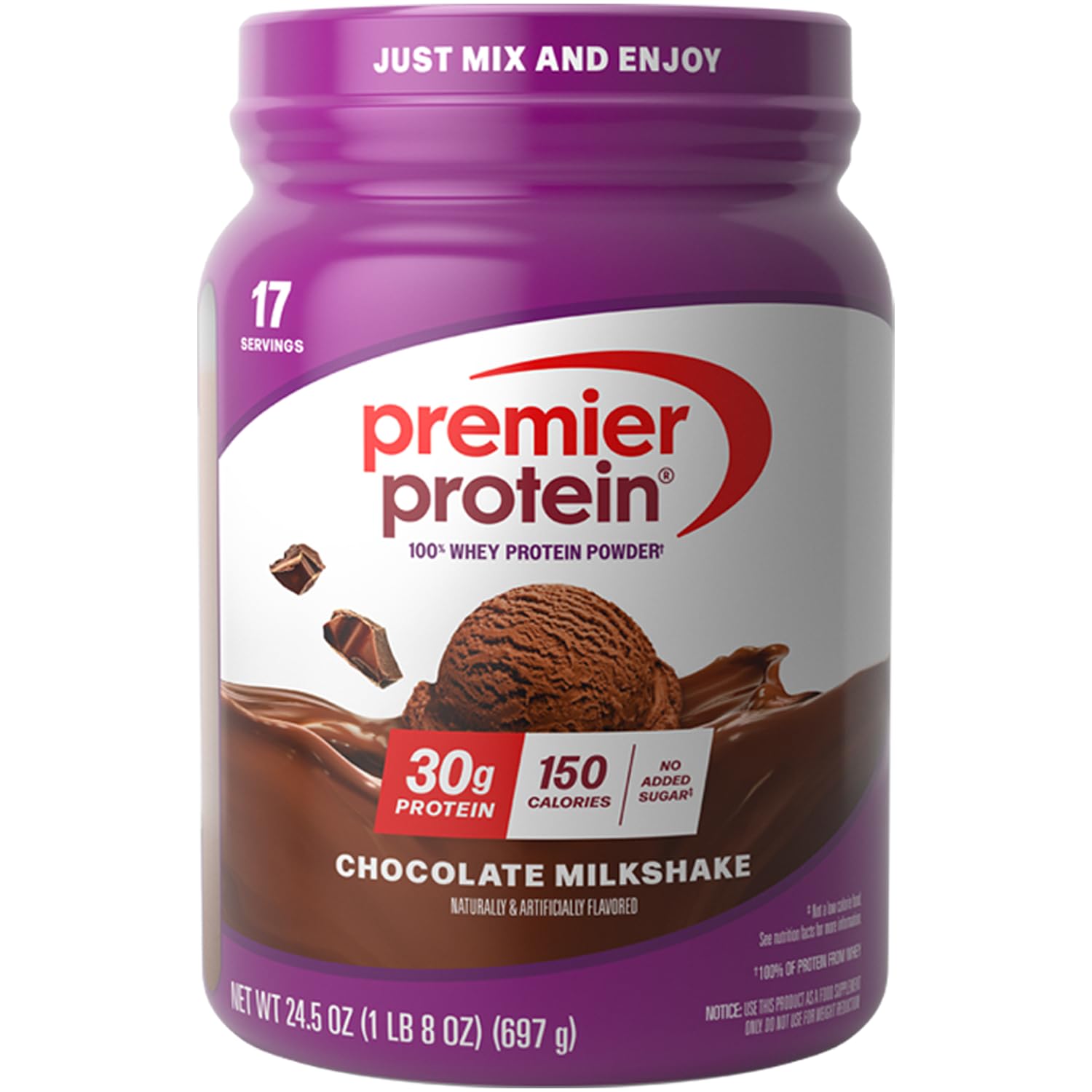
Thirty grams of protein and 1 gram of sugar is the headline, and the 150-calorie serving is built for a high-protein, low-sugar shake. Premier uses 100% whey, lists 17 servings per tub, and leaves out soy and gluten. The scoop is larger than the one in Gold Standard, so this is not the powder for someone who wants the smallest possible serving.

We reach for this one when the goal is a bigger protein number without a bigger glass. The chocolate flavor is rich enough that we do not need to add banana or peanut butter, and the powder has a smoother, less chalky finish than many whey powders. It also sits more easily than the whey blend we recommend as the default, though no powder suits every stomach.

The catch is mixing. This is not the powder we grab when we want to stir a lump-free shake with a spoon; it needs a shaker bottle with a blender ball, and even then it can leave small clumps if you add the powder before the water. The tub also looks underfilled when you open it, which is normal for settling but still surprising. Check the 17-serving count, not the fill line.

Bottom line: Buy Premier if you want 30 grams of protein with almost no sugar and will use a shaker bottle; it is the strongest choice here for a higher daily target.

#3

Optimum Nutrition Gold Standard Casein

Optimum Nutrition Gold Standard Casein

Evening or overnight

Our Score 9.2/10
Check Price

Worth Noting

  • Not for dairy-free or milk-allergy diets
Zinc
11 mg
Magnesium
85 mg
Protein Source
Micellar casein
Protein Per Serving
0.85 oz
Read the full review

If you want a shake that holds you overnight, casein is the tool, and this is the one we keep on the shelf for that job. It delivers 24 grams of micellar casein per serving, a milk-derived protein that digests more slowly than whey, plus 9 grams of EAAs and a useful 85 milligrams of magnesium and 11 milligrams of zinc.

The chocolate supreme flavor is rich and not too sweet, which matters because casein is thicker than whey by nature. We treat it as a dessert shake and use more liquid than the label suggests; at the standard mix it can turn into a pudding-like texture that some people love and others find clumpy. A blender handles it better than a shaker bottle.

This is not the powder we choose for a quick post-workout shake; whey is faster and thinner. It is for the person who wants a slow-digesting protein before bed or between meals, or who finds a whey shake leaves them hungry an hour later. The trade-off is dairy and texture: if you are lactose-sensitive or want a light drink, this will feel like work.

Bottom line: Choose the casein if you want a thicker, slower shake for the evening or between meals; whey remains the better choice for a quick daytime drink.

#4

Muscle Milk Genuine Protein Powder

Muscle Milk Genuine Protein Powder

Added vitamins

Our Score 9.2/10
Check Price

Worth Noting

  • Only 12 servings per tub
Sugar
0.07 oz
Protein Per Serving
1.13 oz
Vitamins And Minerals
Calcium, vitamins A, C and D
Servings Per Container
12
Read the full review

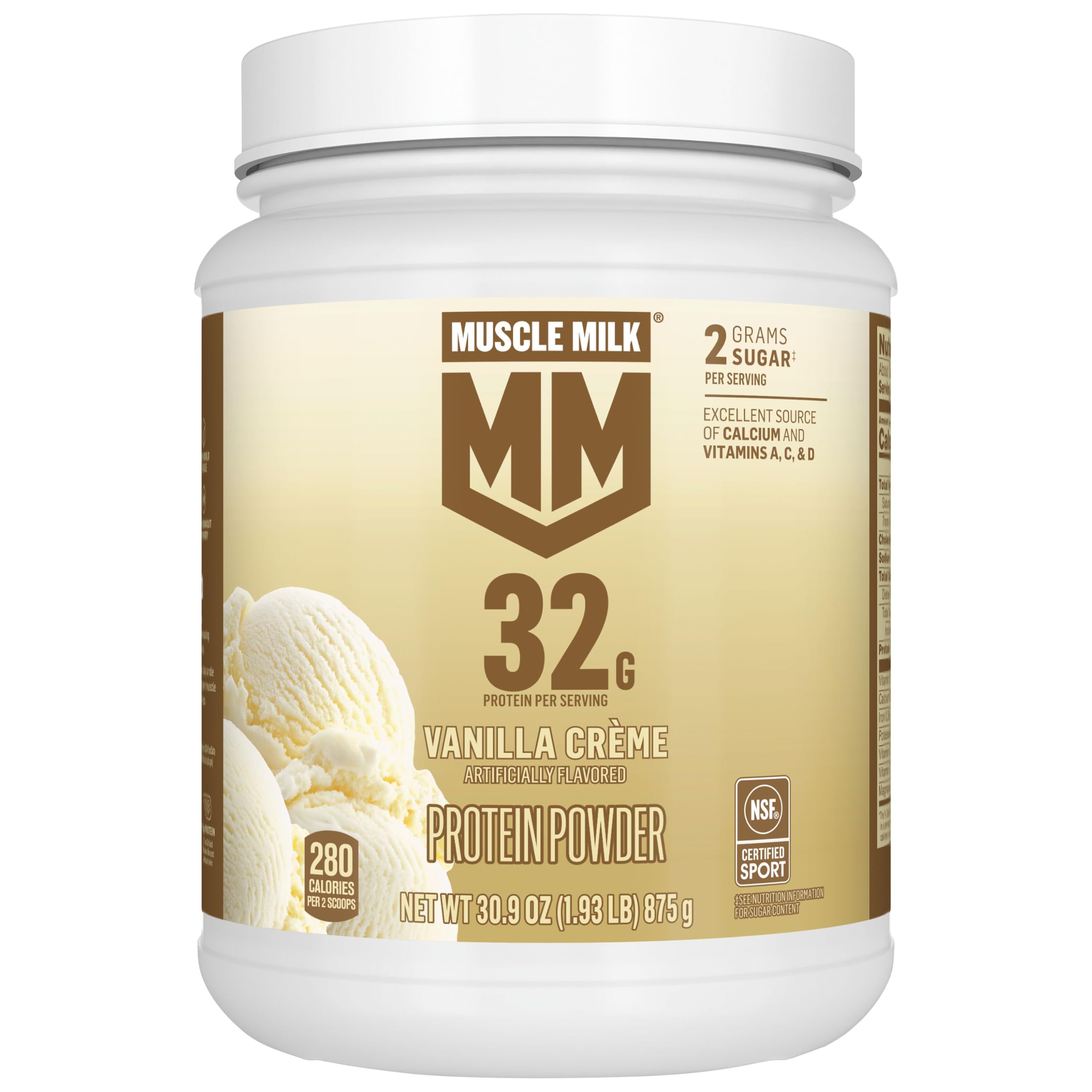
Calcium and vitamins A, C, and D are unusual in a protein powder, and that is the reason this Muscle Milk earns a spot. Each serving adds 32 grams of protein and 2 grams of sugar, and the tub is NSF Certified for Sport, a third-party certification that matters if you want a more scrutinized product.

The vanilla crème flavor is pleasant and mixes well with water, fruit, or milk, and the added vitamins make it feel more like a small nutrition top-up than a pure workout powder. It is not a meal replacement, though, and the label is clear that you use two scoops in 8 ounces of water. That is a bigger scoop routine than the one-scoop Gold Standard. Vanilla crème is the safer flavor if you plan to blend with fruit; chocolate is richer but can overpower a smoothie.

This is the one for the person who wants a protein shake with a little more built in and will use it often enough to finish the tub. The texture can turn grainy for some, and if you already take a multivitamin and calcium supplement, you are paying for nutrients you do not need; the plainer whey picks are the better value then.

Bottom line: Muscle Milk is the pick when you want 32 grams of protein plus calcium and vitamins in one shake, and you can accept a 12-serving tub.

#5

Orgain Organic Vegan Protein

Orgain Organic Vegan Protein

Plant-based diets

Our Score 9.0/10
Check Price

Worth Noting

  • Sweet taste can be strong
  • Lower protein per serving than whey picks
Sugar
0 g
Dietary
USDA Organic, vegan, gluten-free
Protein Source
Pea, brown rice and chia
Protein Per Serving
0.74 oz
Read the full review

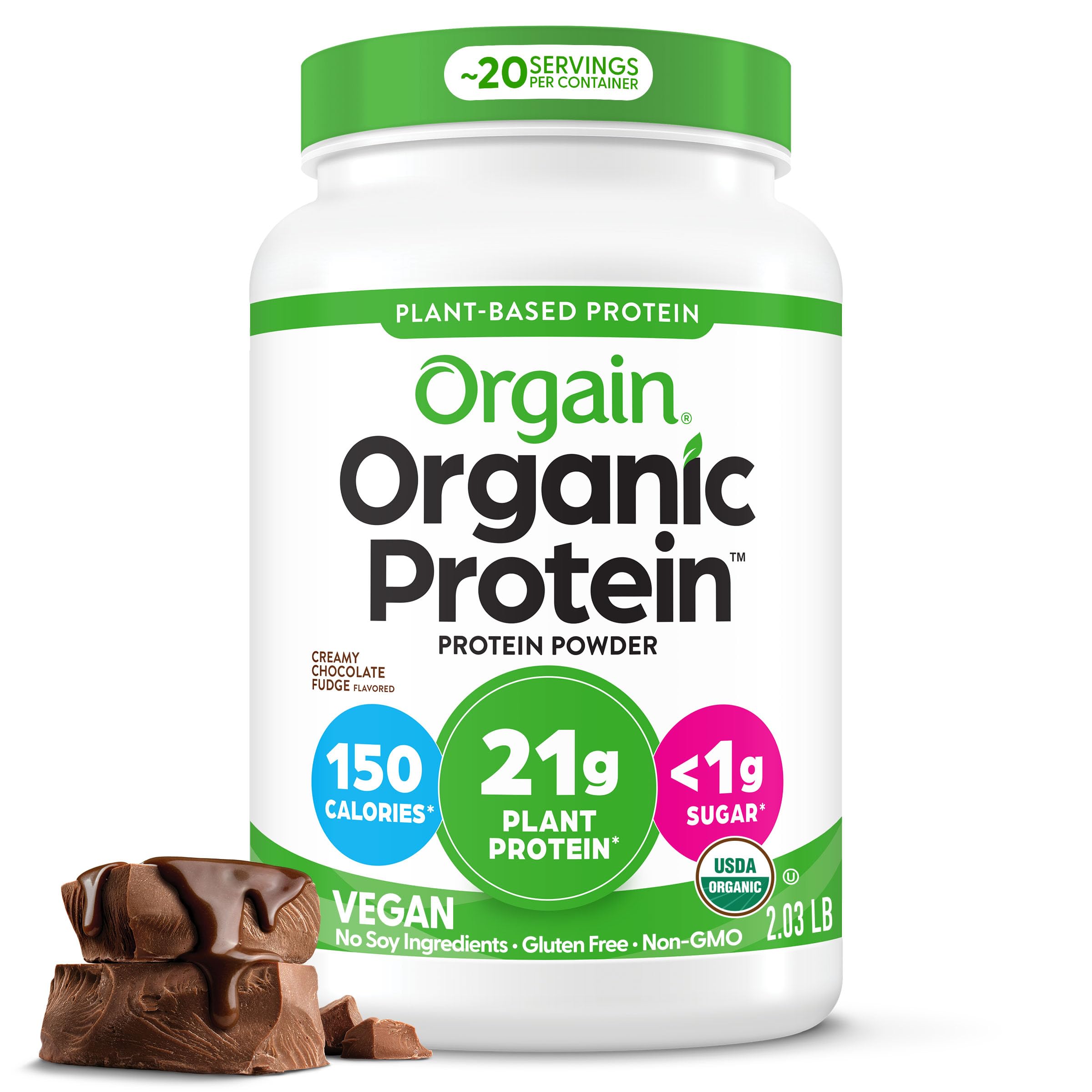
Plant powders often have a gritty problem. Orgain's creamy chocolate fudge formula is built on organic pea, brown rice, and chia, with 21 grams of complete protein, 0 grams of sugar, and no erythritol, carrageenan, soy, or lactose. That combination is hard to find in a chocolate powder that still tastes like chocolate.

It is the pick for anyone who has cut out dairy but still wants a protein shake that tastes like a treat. The chocolate fudge flavor is the better place to start than the vanilla versions because the cocoa hides some of the plant-protein taste. It is sweet, though, even with no sugar; if you are sensitive to sweeteners, use a half scoop and more milk.

Texture is where it loses ground to whey. In water it can finish gritty, and a shaker bottle does not fully solve that; almond milk or a blender makes it creamier. The 0-gram sugar formula is a real advantage for anyone watching carbohydrates, but it is not a low-calorie free pass, so read the full nutrition panel. For a plant-based powder, it earns its place because the ingredient list is clean and the protein is complete; 21 grams is lower than the whey picks here, so if you need 30 grams in one shake, this is not that tool.

Bottom line: Choose Orgain if you need a dairy-free, plant-based powder and can trade some smoothness for a clean ingredient list and zero sugar.

#6

Body Fortress Super Advanced Whey

Body Fortress Super Advanced Whey

High-protein shakes

Our Score 9.0/10
Check Price

Worth Noting

  • Large two-scoop serving
BCAAs
0.42 oz
Serving Size
2 scoops
Protein Per 2 Scoops
2.12 oz
Vitamins And Minerals
Vitamins C, D and zinc
Read the full review

Sixty grams of protein in one shake is a lot, and that is exactly the point of this Body Fortress tub. The number is based on a two-scoop serving, with 12 grams of BCAAs, vitamins C and D, and zinc. If your clinician has set a high protein target and you want to get a big chunk of it in one glass, this is the most concentrated option here.

The first thing to notice is the serving size. One scoop gives 30 grams of protein, not 60; the 60-gram figure only applies when you use two scoops. That is a large amount of powder to mix into a single drink, and it can feel like a lot for an older adult with a smaller appetite.

Chocolate is the flavor to choose if you want the most familiar taste, and it mixes better in a shaker than in milk with a spoon. The texture can stay gritty, and digestive tolerance is mixed; if you are prone to nausea after a big shake, start with one scoop and see how you feel before making it a daily habit.

We recommend it narrowly because it solves a specific problem, high protein in one serving, rather than the everyday one. Most older adults will be better served by a single-scoop whey or plant powder, and the 60-gram label can mislead if you do not read the scoop count. For the right high-target user, though, it is a practical shortcut.

Bottom line: Body Fortress is for the high-target user who wants 60 grams of protein in one two-scoop shake; most people will do better with a single-scoop powder.

#7

Isopure Zero Carb Whey Isolate

Isopure Zero Carb Whey Isolate

Unflavored mixing

Our Score 8.8/10
Check Price

Worth Noting

  • Premium price for an unflavored powder
Sugar
0 g
Flavor
Unflavored
Protein Source
Whey isolate
Protein Per Serving
0.88 oz
Read the full review

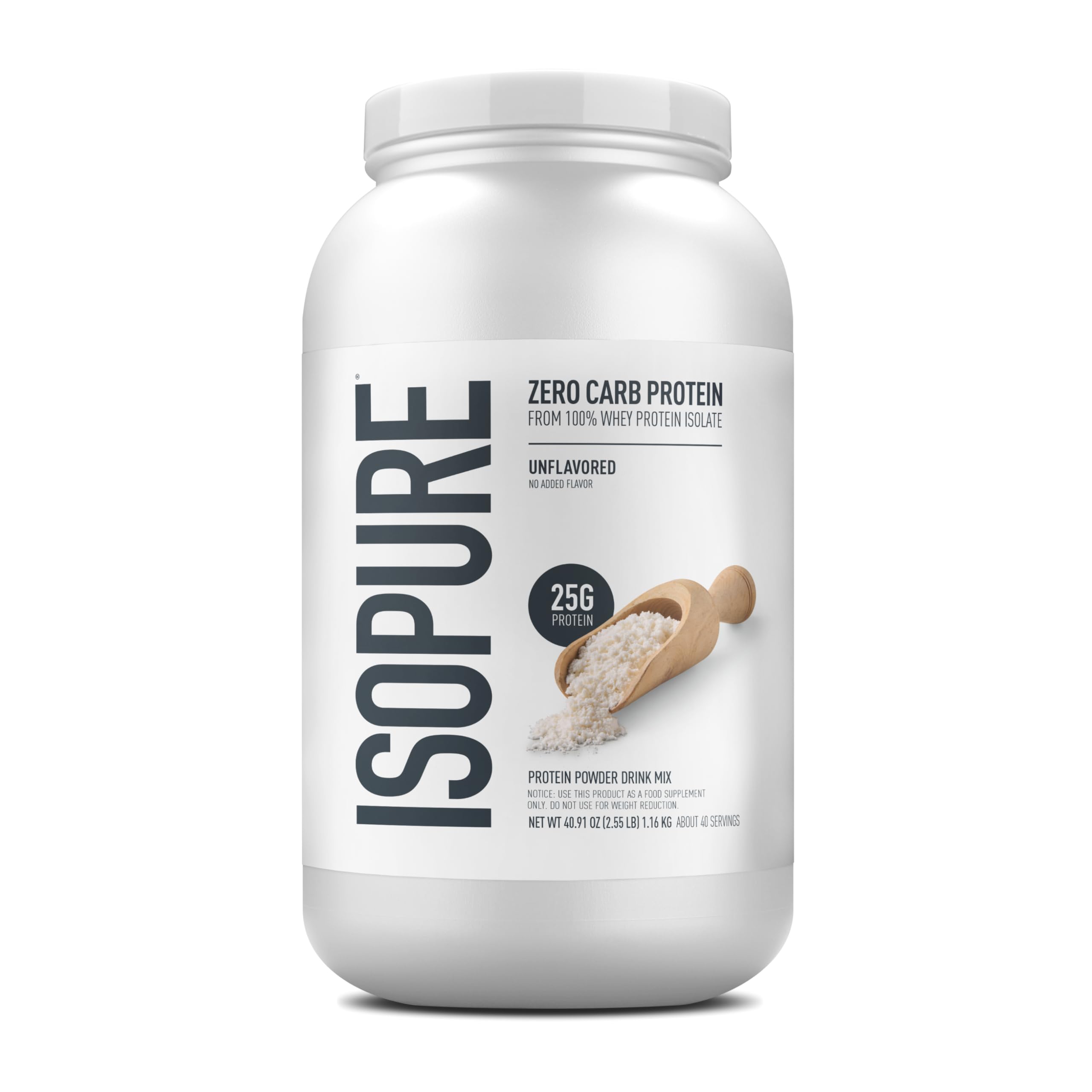
Unflavored whey is for the person who wants protein without another sweet drink, and Isopure's zero-carb isolate is the most flexible version here. It delivers 25 grams of protein per serving, 0 grams of sugar, and 20 vitamins and minerals, including immune-support nutrients vitamin A, C, E, and zinc. The point is not a shake you sip for pleasure; it is a scoop you add to oatmeal, smoothies, or cold milk.

The unflavored label is accurate in the sense that it will not flavor a recipe, but it is not invisible. A faint dairy note comes through in plain water, and the powder can clump in hot coffee or soup no matter how hard you stir. We blend it into cold liquids first, or whisk it into yogurt, and the result is smoother.

It makes sense for a senior who is tired of sweet shakes or wants to add protein to food without changing the taste. The premium price is the real barrier; if you just want a chocolate shake, Gold Standard or Premier is a better use of money. But if you need a blank protein source and will use a blender, this one earns its place.

Bottom line: Buy Isopure if you want to add protein to food without sweetness and will blend it; for a ready-to-drink shake, choose a flavored pick instead.

How We Tested the Best Protein Powders for Seniors

We started by rounding up every powder marketed to, or commonly recommended for, older adults — pharmacy shelves, grocery aisles, supplement retailers — then cut the list to 14, running from plain whey isolate to plant blends. Anything with a protein-per-scoop so low it would take three servings to matter got dropped, and we noted which ones were third-party tested and complete on amino acids. I tested them over four months, drinking one formula at a time for a week before switching, so a bad stomach day could be traced to the powder rather than to dinner.

Each one got mixed two ways: shaken in a bottle with 8 ounces of cold water, and stirred with a spoon in a plain glass, since not everyone wants to wrestle with a shaker lid. I watched how long it took to dissolve, whether powder clung to the sides, and how the drink looked and felt at the first sip and again after 20 minutes on the counter. Every formula also went into oatmeal, and some into a blender smoothie, because tasting good in water and tasting good in food are different tests. Flavor was scored on day one and again on day six, when the ones that taste mostly of sweetener start to wear thin, and I paid close attention to grit, chalkiness, and thickness.

Digestibility got the longest look. I logged bloating, gas, and fullness for an hour after each shake, plus whether a serving sat comfortably before a morning walk. To judge quantity and value, I counted the real scoops in each tub against the label, weighed a level scoop, and compared cost per 25 grams of protein rather than cost per tub. We also noted how easy each one is to buy and live with: tub versus resealable bag, whether the scoop was buried, and whether it's stocked somewhere you can walk into.

How to Choose the Right Protein Powder for Seniors

Start With Protein per Serving, Not Scoop Size

Older adults often need a meaningful protein dose in a small volume, so look at grams per serving before anything else. A 20- to 30-gram serving is a practical target for a supplement, but the scoop count matters just as much: 30 grams from one scoop is easier to work into a glass than 60 grams from two large scoops. Check the servings per container too, because a tub with 12 servings disappears twice as fast as one with 24. We prefer one-scoop powders for daily use and reserve the two-scoop products for people with a higher protein target who want a concentrated shake.

Match the Protein Source to Your Digestion

Whey is the most common base because it mixes easily and has a complete amino acid profile. Whey isolate is filtered to remove more lactose and fat than a concentrate blend, which can matter if dairy tends to leave you bloated; a plant blend of pea, rice, and chia is the other route. Casein is a milk protein that digests more slowly, so it suits an evening shake but feels thicker. None of this is a medical rule: if you have a milk allergy or a kidney condition, check with a clinician before choosing.

Sweetness, Texture, and Mixability Decide Whether You Finish the Tub

Most people can tolerate a powder that is merely fine, but they stop using one that clumps or tastes like a vitamin tablet. Flavored whey is usually the easiest to mix in a shaker; unflavored whey is more flexible in food but can clump in hot coffee or soup, so blend it into something cold first. Plant powders are more likely to finish gritty, especially in water; almond milk or a blender helps. If you are sensitive to sweeteners, start with a half scoop and add more liquid rather than throwing out a tub.

Pay for Added Nutrients Only When They Fill a Gap

Calcium, vitamin D, magnesium, and a broad vitamin panel can be useful if you do not already take a supplement, but they are not automatically a reason to choose a powder. Muscle Milk adds calcium and vitamins A, C, and D; Isopure lists 20 vitamins and minerals; casein contributes magnesium and zinc. If you already take a multivitamin, you are paying for overlap. Compare the full nutrition panel and the cost per serving, not the size of the tub, and let your actual gaps decide.

Frequently Asked Questions

Final Verdict

Optimum Nutrition Gold Standard Whey is our pick for most older adults because it makes the daily habit easy: one scoop, 24 grams of complete whey protein, and a chocolate flavor that mixes in a shaker without a fight. If your clinician has set a higher protein target, Premier is the more direct tool; if dairy is off the table, Orgain; if you want to add protein to food, Isopure.